The outer cover is the primary defense system for a beehive, functioning as the roof that shields the colony from the elements.
Its main purpose is to protect internal hive components from weather, specifically preventing rain and moisture from leaking into the colony. This cover fits over the inner cover and extends down the sides of the uppermost hive body to create a weather-resistant seal.
Core Takeaway The outer cover acts as the weatherproof "roof" of the hive, distinct from the inner cover which serves as the "ceiling." Its telescoping design and metal plating ensure the hive stays dry, while its separation from the inner cover allows beekeepers to open the hive without immediately disturbing the bees.
The Mechanics of Protection
Weatherproofing the Colony
The outer cover is designed to withstand the harsh realities of the environment.
Typically constructed from wood and topped with a sheet of metal, it prevents the wood from rotting and ensures water sheds off the hive rather than soaking in. This barrier is critical for maintaining a dry, habitable environment for the bees.
The "Telescoping" Fit
The term "telescoping" refers to how the cover interacts with the rest of the hive boxes.
The sides of the cover hang down a few inches over the top edge of the uppermost box. This overlap prevents wind-driven rain from entering the gap between the box and the lid.
Improving Hive Management
The Two-Cover System
The outer cover is rarely used in isolation; it works in tandem with an inner cover.
While the outer cover handles the weather, the inner cover acts as the ceiling directly above the bees. This separation is vital for proper hive manipulation.
Minimizing Disturbance
One of the distinct advantages of this system is the ability to remove the heavy outer roof without exposing the colony immediately.
By leaving the inner cover in place, a beekeeper can puff smoke through the inner cover's central hole. This calms the bees before the hive is fully opened, significantly reducing the stress on the colony and the risk to the beekeeper.
Operational Considerations
The Necessity of the Inner Cover
It is a common error to view the outer cover as a standalone lid.
Without the inner cover underneath, bees may glue the outer cover down with propolis (bee glue). This makes the heavy outer cover difficult to remove without jarring the hive and agitating the bees.
Ventilation Dynamics
While the outer cover seals the hive from rain, it can also trap heat and moisture if not managed correctly.
The inner cover facilitates air circulation and humidity control. Therefore, the outer cover relies on the proper function of the inner cover to ensure the colony does not suffocate or overheat.
Making the Right Choice for Your Goal
To maximize the health of your hive and the ease of your inspections, consider the following:
- If your primary focus is weather resistance: Ensure your outer cover has a durable, intact metal sheet to prevent water infiltration and wood rot.
- If your primary focus is gentle hive inspection: Always utilize an inner cover beneath the outer cover to allow for "pre-smoking" the bees before full exposure.
The outer cover is not just a lid; it is a structural necessity that secures the hive against the elements while enabling precise, low-stress management.
Summary Table:
| Feature | Purpose | Primary Benefit |
|---|---|---|
| Metal Plating | Prevents wood rot and water penetration | Long-term durability and dry interior |
| Telescoping Sides | Overlaps top box to block wind-driven rain | Enhanced weather resistance |
| Dual-Cover System | Separates the outer roof from the inner ceiling | Minimizes bee disturbance during inspections |
| Inner Cover Gap | Prevents bees from propolizing the outer cover | Easier hive opening and less colony stress |
Scale Your Beekeeping Operation with HONESTBEE
At HONESTBEE, we specialize in empowering commercial apiaries and distributors with premium-grade beekeeping infrastructure. Whether you are looking for durable hive components like telescoping outer covers or advanced honey-filling machinery, our comprehensive wholesale portfolio has you covered.
Why partner with us?
- High-Volume Supply: Reliable bulk orders of hives, tools, and consumables.
- Industrial Machinery: Access specialized hardware for hive manufacturing and honey processing.
- Expert Support: Specialized solutions tailored to the needs of large-scale beekeeping businesses.
Enhance your productivity and protect your bees with the industry’s most trusted equipment. Contact HONESTBEE today to discuss your wholesale requirements!
Related Products
- Telescopic Beehive Outer Cover Lid Roof with Galvanised Sheeting for Langstroth Hive and Beehive Outer Cover
- Inner Beehive Cover for Beekeeping Bee Hive Inner Cover
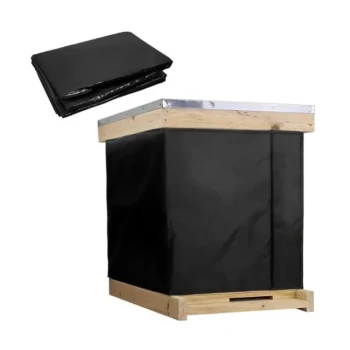
- Professional Insulated Winter Hive Wrap for Beekeeping
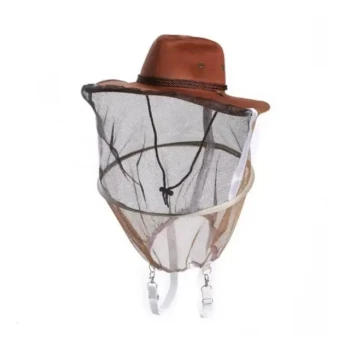
- Premium Cowboy Beekeeper Hat with Visibility Veil Outdoor Professional Beekeeping Protective Gear
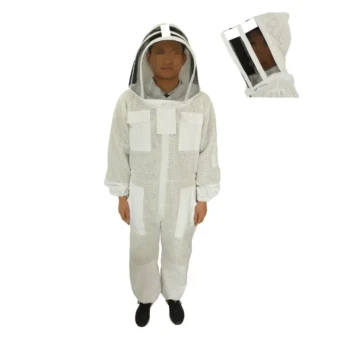
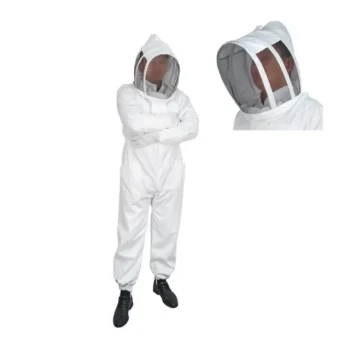
- Economy Polyester Beekeeping Jacket with Veil and Hat
People Also Ask
- What is a telescoping outer cover and what are its advantages? Maximize Hive Protection in Harsh Climates
- What is the function of an outer telescoping cover on a beehive? Ultimate Weather Protection for Your Colony
- What is the purpose of the outer telescoping cover in a beehive? The Key to Weatherproofing Your Hive
- What are the benefits of the telescoping outer cover? Essential Protection for Hive Health & Longevity
- How should a telescoping outer cover be removed? Expert Techniques for Smooth Beekeeping Operations