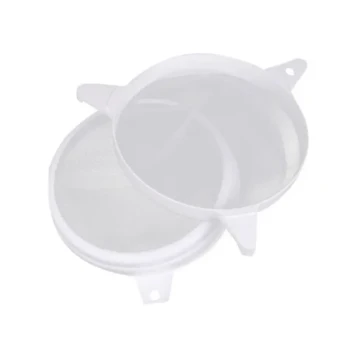
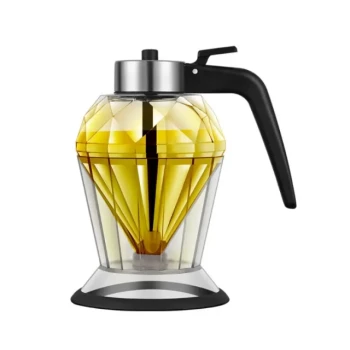
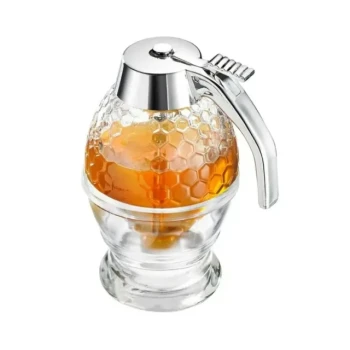
Implementing a multi-stage fine filtration system is essential for achieving the high-grade clarity and shelf stability required for global commercial distribution. By progressively removing suspended micro-particles, wax debris, and excess pollen, these systems transform raw honey into a visually brilliant, transparent product. This physical purification process not only meets the aesthetic demands of high-end retail markets but also delays natural crystallization, ensuring the product remains liquid and marketable for longer periods.
Core Takeaway: Multi-stage filtration is a strategic process that balances visual purity with nutritional integrity, allowing distributors to offer a shelf-stable, "supermarket-ready" product that complies with international quality standards.
Enhancing Commercial Grade and Aesthetic Appeal
Achieving Superior Visual Clarity
Industrial honey is judged heavily on its transparency and brightness. Multi-stage systems use progressive physical barriers to eliminate the cloudiness caused by microscopic suspended solids.
This process ensures the final product meets the "Grade A" standards often required by wholesalers and large-scale retailers. A clear, bright product directly correlates to higher consumer trust and premium price points.
Standardizing Product Output
For B2B resellers, consistency is critical for brand reputation. Multi-stage filtration allows for precise control over the final look of the honey across different batches.
By using a series of filters with varying pore sizes, producers can ensure that every jar delivered to your warehouse meets the exact same specifications for purity and color.
Extending Shelf Life and Stability
Delaying the Crystallization Process
Raw honey naturally crystallizes over time, which can be a significant hurdle for retail display. Fine filtration removes "nuclei"—such as wax fragments and pollen grains—around which sugar crystals form.
By eliminating these particles, the system significantly extends the liquid shelf life of the honey. This reduces the frequency of returns and the need for re-processing, protecting your profit margins.
Removing Mechanical Impurities
Beyond aesthetics, filtration is a safety and quality measure. It removes bee remains, propolis particles, and larval debris that are inherent in the raw harvesting process.
A multi-stage approach ensures that even the smallest mechanical impurities are captured without clogging the system. This provides a clean, safe product that meets rigorous food safety audits.
Navigating Regulatory Compliance and Integrity
Preserving Natural Enzymes
While clarity is vital, over-processing can damage the honey’s biological value. Advanced multi-stage systems are designed to remove debris without stripping away the natural enzymes and minerals that define high-quality honey.
This balance is crucial for distributors who market their products based on "natural" or "raw-style" health benefits. You receive a product that looks professional but retains its nutritional core.
Meeting International Standards
Global markets, particularly those governed by the EU Honey Directive, have strict rules regarding honey composition. Precise filtration ensures that pollen is managed correctly to remain compliant with regional definitions of "natural honey."
Our deep professional expertise in these regulations allows us to provide products that are ready for immediate export. This eliminates the risk of shipment rejections at international borders.
Understanding the Trade-offs
The Risk of Over-Filtration
The most significant pitfall in honey processing is "ultra-filtration," which can remove nearly all pollen. While this results in extreme clarity, it can lead to legal challenges in certain markets where pollen is required for geographical origin verification.
Thermal Impact on Quality
Filtration often requires the honey to be slightly warmed to reduce viscosity. If not managed by an expert team, excessive heat during this stage can increase HMF (hydroxymethylfurfural) levels, which degrades quality and violates food standards.
Making the Right Choice for Your Goal
How to Apply This to Your Project
- If your primary focus is High-End Retail placement: Prioritize systems that offer ultra-fine filtration to ensure maximum transparency and the longest possible liquid shelf life on the shelf.
- If your primary focus is International Export and Compliance: Ensure your sourcing partner uses controlled multi-stage filtration that retains enough pollen to meet EU and local regulatory definitions.
- If your primary focus is Efficient Supply Chain Turnover: Look for one-stop sourcing partners who utilize high-capacity multi-stage systems to guarantee rapid order fulfillment and ultra-fast delivery of standardized stock.
Our commitment to technical expertise and efficient processing ensures your honey inventory is always of the highest commercial grade and ready for immediate global distribution.
Summary Table:
| Feature | Primary Function | Business Value for Distributors |
|---|---|---|
| Visual Clarity | Removes micro-particles and cloudiness | Achieves "Grade A" retail standards for premium pricing. |
| Shelf Stability | Eliminates crystallization nuclei (wax/pollen) | Extends liquid shelf life and reduces product returns. |
| Safety & Purity | Filters out bee remains and mechanical debris | Ensures compliance with rigorous food safety audits. |
| Regulatory Control | Balances filtration with pollen retention | Meets EU Honey Directive and international export laws. |
Scale Your Honey Business with HONESTBEE
Maximize your profit margins and operational efficiency with HONESTBEE, your premier one-stop sourcing partner for commercial apiaries and distributors. We provide a comprehensive wholesale portfolio, from high-precision honey-filling machines and specialized hive-making hardware to essential beekeeping tools and industry consumables.
Why partner with us?
- Deep Industry Expertise: Navigate international standards with our compliant equipment.
- Premium Trading Services: Benefit from OEM/ODM support and dedicated customer service.
- Rapid Fulfillment: Ensure your inventory stays stocked with our ultra-fast delivery and efficient order processing.
Ready to upgrade your production line or source high-demand beekeeping equipment? Contact our expert team today!
References
- Sabra Ambreen, Zahid Mehmood, Khalid Mehmood, Sabeena Rizwan, Farida Behlil, Uzma Jabeen, Ayesha Mushtaq, Farrukh Bashir. Overview on physical properties and biochemical composition of honey. DOI: 10.12692/ijb/18.4.8-21
This article is also based on technical information from HonestBee Knowledge Base .
Related Products
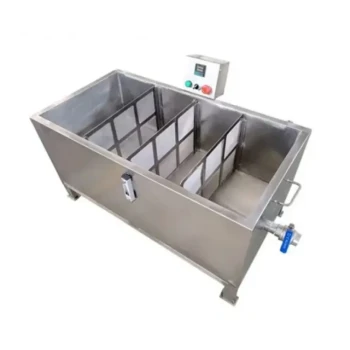
- Electric Double Wall Honey Filtering Machine Purifier Equipment for Honey Processing Plant
- Professional Stainless Steel Honey Filtering Machine with Water Bath Heating for Beekeeping
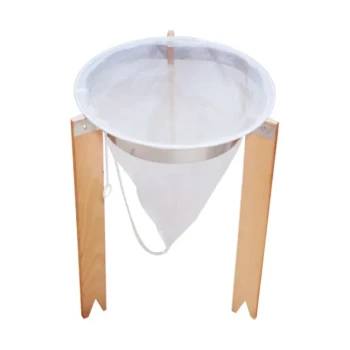
- Professional Honey Filter with Tripod Support Stand
- 0.5T Capacity Honey Dehumidifier Dryer with Vacuum Heating and Thickening Filtering Machine
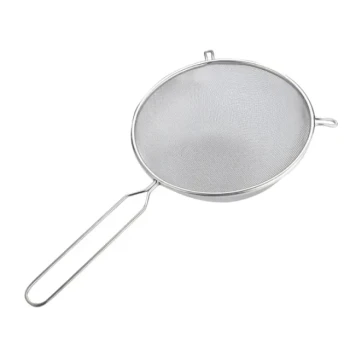
- Professional Stainless Steel Honey Filter with Support Handle
People Also Ask
- What types of equipment are used in honey filtering? Build an Efficient System for Pure, Marketable Honey
- What is the process of filtering honey? A Guide to Clean, Pure, and Market-Ready Honey
- What is the overall importance of using the right equipment in honey filtering? Boost Quality & Marketability
- What steps are involved in maintaining honey filtering equipment? A Guide to Protecting Your Honey Quality
- What role do professional honey harvesting and filtering equipment play in meeting honey market quality standards? Boost ROI