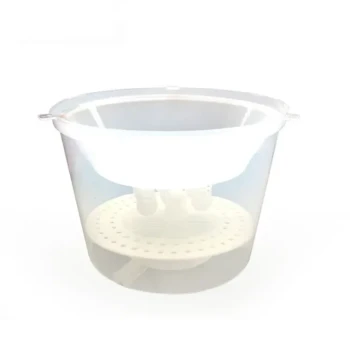
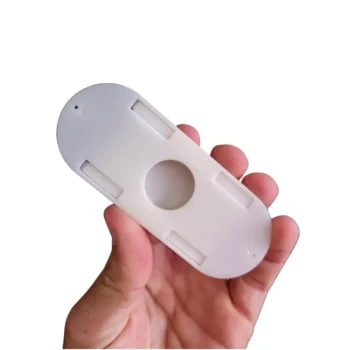
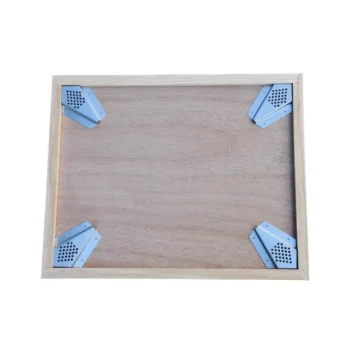
The primary purpose of installing Dead Bee Traps is to generate concrete, quantitative data regarding the toxicity of antimicrobial treatments like Lysozyme-HCl. By positioning these devices at the hive entrance, researchers can intercept and count adult bee carcasses removed by worker bees, allowing for a precise calculation of daily mortality rates.
Core Takeaway Dead Bee Traps provide the objective evidence required to distinguish between natural colony turnover and chemical toxicity. They ensure that high-dose treatments like Lysozyme-HCl treat the infection without killing the host.
The Mechanics of Safety Assessment
Intercepting Natural Removal
Honey bee colonies have distinct hygiene behaviors where worker bees (often called "undertakers") remove dead adults from the hive.
Dead Bee Traps, such as Todd’s dead bee traps, are installed directly at the hive entrance to capitalize on this behavior.
They physically capture the carcasses as they are ejected, preventing them from being lost to the environment or scavengers.
Quantifying Daily Mortality
The raw count of bees collected in these traps provides a metric known as daily mortality.
In the context of evaluating Lysozyme-HCl, this data is the baseline for safety.
It allows researchers to move beyond anecdotal observation and scientifically track whether death rates rise following treatment application.
Verifying Treatment Safety
Detecting Acute Toxicity
When testing antimicrobial agents, particularly at high doses, there is a risk of poisoning the bees alongside the target bacteria.
The traps serve as an early warning system for adverse side effects.
A sudden spike in the number of trapped carcasses indicates that the concentration of Lysozyme-HCl may be toxic to the adult population.
Comparative Analysis
To confirm safety, data from treated hives is compared strictly against control groups.
This comparison isolates the impact of the chemical formulation.
It proves that any observed mortality is a result of the treatment and not external factors like weather, starvation, or natural aging.
Understanding the Limitations
Focus on Adult Populations
It is critical to note that these traps are designed specifically to assess adult bee survival.
They do not quantify mortality among the brood (larvae or pupae), which requires different assessment methods.
A treatment could theoretically be safe for adults while still harming the developing brood, a nuance these traps might miss.
Requirement for Consistent Data
The reliability of this method hinges on daily collection.
If traps are not checked and cleared every day, the carcasses may decay or be consumed by pests.
Inconsistent monitoring can lead to undercounting mortality, creating a false sense of safety regarding the treatment.
Ensuring Accurate Safety Evaluations
To effectively evaluate Lysozyme-HCl, you must interpret the trap data based on your specific safety criteria.
- If your primary focus is Acute Toxicity: Monitor for immediate, sharp increases in carcass counts within 24 to 48 hours of application.
- If your primary focus is Chronic Safety: Compare the average daily mortality rate of treated hives against control hives over the full duration of the study.
The ultimate goal is to validate that the antimicrobial agent eliminates the pathogen while maintaining a mortality rate statistically identical to an untreated colony.
Summary Table:
| Feature | Purpose in Safety Assessment |
|---|---|
| Primary Function | Captures carcasses removed by undertaker bees for precise daily counts |
| Key Metric | Daily Mortality Rate (DMR) to establish baseline colony health |
| Toxicology Role | Detects acute side effects and dosage toxicity in adult bees |
| Validation Method | Comparative analysis between treated hives and untreated control groups |
| Target Population | Exclusively adult honey bees (excludes brood mortality) |
Elevate Your Apiary’s Health and Efficiency with HONESTBEE
Precise safety assessments are the foundation of a successful commercial operation. At HONESTBEE, we specialize in supporting commercial apiaries and distributors with high-quality, professional-grade equipment designed for excellence.
Whether you need specialized beekeeping machinery like hive-making and honey-filling systems, or a steady supply of essential industry consumables and tools, our comprehensive wholesale portfolio has you covered. We also offer unique honey-themed cultural merchandise to help you expand your brand reach.
Ready to scale your beekeeping business with a partner you can trust?
Contact HONESTBEE today to explore our wholesale solutions and discover how our equipment can streamline your production and safeguard your colonies.
References
- Asami Haga, Stephen F. Pernal. Evaluation of Lysozyme-HCl for the Treatment of Chalkbrood Disease in Honey Bee Colonies. DOI: 10.1603/ec12227
This article is also based on technical information from HonestBee Knowledge Base .
Related Products
- 30 cm Plastic Entrance Hole Bee Pollen Trap and Collector
- Plastic Beetle Blaster Trap Beekeeping Tools and Supplies
- Black Plastic Beetle Barn Hive Beetle Trap for Beehives
- Reusable Clear Small Hive Beetle Traps for Beehives Beetle Trapping Tools
- Reusable Aluminium Beetle Trap for Small Hive Beetles Silver Bullet
People Also Ask
- What are the design principles and advantages of pollen traps in the collection of bee pollen? Boost Your Apiary Yield
- Why is frequent harvesting of bee pollen from traps necessary for quality control? Ensure Freshness and Prevent Mold.
- How often should bee pollen be harvested from a trap and why? Master Freshness and Prevent Spoilage
- What function do pollen traps serve in quantitative collection? Boost Your Apiary's Data & Production Efficiency
- What is the primary function of bee pollen traps? Optimize Your Pollen Harvest with Advanced Extraction Efficiency