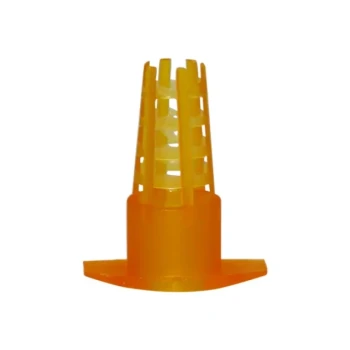
The pre-treatment of plastic queen cell cups is a critical technical step designed to maximize larval acceptance rates by aligning synthetic materials with honeybee biology. It eliminates industrial odors through colony exposure and provides essential moisture and nutrition via priming media like royal jelly. This process ensures that worker bees view the artificial cups as natural hive components rather than foreign objects, directly impacting the success of queen rearing.
Pre-treatment transforms a standard plastic component into a viable biological environment. By bridging the gap between synthetic materials and natural hive conditions, beekeepers can significantly increase the yield and efficiency of their queen production.
Eliminating Material Rejection Through Environmental Adaptation
Odor Removal and Pheromone Coating
New plastic materials often carry industrial odors that can cause worker bees to reject artificial cups. By placing the grafting frames into a queenless colony for approximately two hours before use, bees naturally "clean" the surface. This process coats the plastic in the colony's specific pheromone scent, making the foreign object acceptable to the hive.
Mimicking the Natural Hive Environment
Successful grafting requires the larvae to feel "at home" immediately upon transfer. Physical pre-treatment via colony exposure ensures the temperature and texture of the plastic cups are consistent with the rest of the brood nest. This environmental adaptation is essential for inducing nurse bees to begin the feeding and cell-building process without delay.
Providing Nutritional and Physical Buffering
Preventing Larval Dehydration
Newly transferred micro-larvae are highly susceptible to mortality caused by desiccation or temperature fluctuations. Adding a drop of royal jelly or a 1:1 royal jelly aqueous solution provides a necessary moist micro-environment. This "priming" protects the delicate larvae during the critical window between grafting and the bees' initial care.
Inducing Nursing Behavior
The presence of royal jelly or other priming media (such as diluted syrup or fruit juices) acts as a chemical signal. These substances provide immediate nutritional support and simulate the chemical signature of a natural queen cell. This induces nurse bees to quickly begin modifying the artificial cup and depositing fresh royal jelly.
Understanding the Trade-offs
The Risk of Over-Priming
While lubrication is necessary, using excessive liquid in the cell cup can be counterproductive. Too much priming media can drown the larvae or cause them to slide out of position. Expert beekeepers recommend a minimal, precise application to ensure the larvae remain anchored and breathing.
Labor Intensity vs. Acceptance Gain
Pre-treatment adds extra steps and labor hours to the queen-rearing workflow. However, for commercial-scale operations, the significant increase in the larval acceptance percentage far outweighs the labor costs. Failing to pre-treat often results in lower yields and wasted grafting effort.
Maximizing Value in Your Sourcing Strategy
Choosing the right components and understanding their application is vital for maintaining a competitive edge in the beekeeping supply market.
- If your primary focus is high-yield commercial production: Prioritize high-quality plastic queen cups that offer uniform retention of royal jelly at the base to facilitate easier pre-treatment.
- If your primary focus is operational efficiency for resellers: Focus on sourcing standardized grafting frames that allow for rapid installation and removal of cups during the pre-treatment and cleaning phases.
- If your primary focus is customer education and support: Emphasize the importance of royal jelly priming as a value-add recommendation to ensure your clients achieve the highest possible grafting success.
Mastering these technical nuances ensures that your product portfolio provides not just hardware, but a complete solution for successful queen rearing.
Summary Table:
| Pre-treatment Step | Primary Purpose | Benefit to Queen Rearing |
|---|---|---|
| Odor Removal | Eliminates industrial scents | Prevents worker bee rejection of synthetic cups |
| Royal Jelly Priming | Provides moisture & nutrition | Protects larvae from dehydration & triggers feeding |
| Colony Exposure | Pheromone coating | Aligns artificial cups with natural hive environment |
| Thermal Buffering | Temperature stabilization | Reduces shock to micro-larvae during transfer |
Elevate Your Beekeeping Supply Chain with HONESTBEE
As a premier partner for distributors, wholesalers, and B2B resellers, HONESTBEE delivers a one-stop sourcing solution for high-performance beekeeping equipment. Whether you need precision-engineered queen rearing tools, commercial-grade honey-filling machines, or durable hive-making hardware, our comprehensive portfolio is designed to maximize your profit margins and operational reliability.
Why Partner with HONESTBEE?
- Deep Industry Expertise: Our products are designed with technical nuances like larval acceptance in mind, ensuring your customers achieve superior results.
- Rapid Fulfillment: Benefit from ultra-fast delivery and efficient order processing to stay ahead of seasonal demands.
- OEM/ODM Support: Scale your brand with our premium trading services and dedicated customer support.
Ready to enhance your product offering with a reliable industry leader? Contact HONESTBEE today to explore our wholesale catalog and discover the value we bring to commercial apiaries worldwide.
References
- Carlos Castellanos-Zacarías, Henry Loeza-Concha. Queen Bee (Apis mellifera L.) Production Using Grafting Method and Non-Grafting System. DOI: 10.4236/oalib.1114411
This article is also based on technical information from HonestBee Knowledge Base .
Related Products
- JZBZ Type Wide Base Plastic Queen Cell Cups for Base Mounting and Queen Rearing
- Clear Black Plain Polystyrene Queen Bee Grafting Cell Cups No Lug for Bee Queen Cup
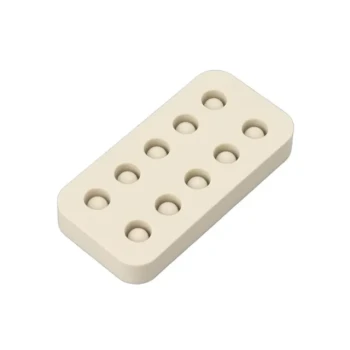
- 10-Cell Silicone Beeswax Bee Queen Cups Forming Mold
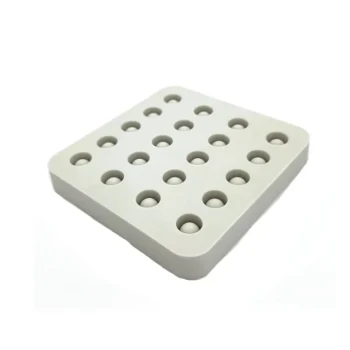
- High-Efficiency 20-Cell Silicone Mold for Beeswax Bee Queen Cup Production
- Brown Nicot Queen Cell Cups for Breeding Queen Bees Beekeeping
People Also Ask
- What are the primary advantages of using plastic queen cell cups? The Industrial Choice for High-Efficiency Apiaries
- What technical advantages do commercial plastic queen cell cups offer? Scale Your Queen Rearing for Maximum Efficiency
- What is the function of standardized plastic Queen Cell Cups? Boost Efficiency in Commercial Larval Grafting
- Why are standardized plastic queen cell cups preferred? Boost Commercial Queen Rearing Efficiency
- Why are standardized plastic queen cell cups typically used in large-scale queen bee production? Boosting Apiary Output