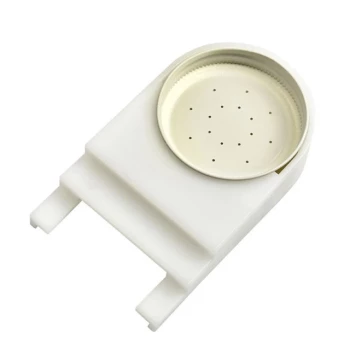
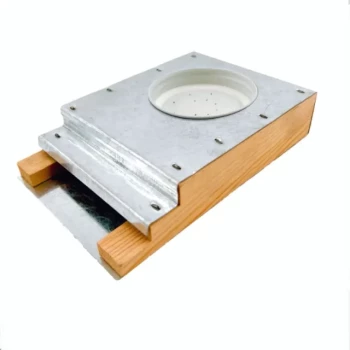
Beehive feeders serve as a critical life-support system during periods when the environment cannot sustain the colony. Their primary purpose is to deliver artificial nutrition—typically a 1:1 sugar syrup ratio—to compensate for the lack of natural nectar and pollen in non-agricultural landscapes or during overwintering.
In resource-poor environments, supplemental feeding is the essential mechanism to prevent colony collapse due to starvation. This intervention ensures the colony survives long enough to facilitate the cross-seasonal monitoring of biological parameters.
The Mechanics of Colony Survival
Combatting Resource Scarcity
During non-agricultural phases or winter months, natural forage is often non-existent.
In these resource-poor landscapes, the hive cannot gather enough energy to maintain its temperature or feed its population. Without intervention, the metabolic needs of the bees will quickly outpace their stored reserves.
Implementing Artificial Nutrition
To bridge this gap, beekeepers utilize feeders to introduce artificial sustenance.
The standard approach involves a 1:1 sugar syrup ratio. This formulation mimics natural nectar, providing the immediate caloric energy the bees require to remain active and healthy when the outside world is dormant.
Strategic Importance for Monitoring
Preventing Colony Collapse
The most immediate risk during these "dearth" periods is the complete collapse of the colony due to starvation.
Feeders act as a safety net for control groups or colonies situated in barren areas. By stabilizing the food supply, you eliminate nutritional stress as a variable, ensuring the colony remains viable.
Enabling Cross-Seasonal Data
For technical or scientific applications, keeping the colony alive is a prerequisite for data collection.
If a colony collapses during winter, you lose the ability to track biological trends over time. Feeders ensure the bees survive the season, allowing for continuous, cross-seasonal monitoring of the hive's biological parameters.
Understanding the Trade-offs
The Burden of Maintenance
While feeders are life-saving, they introduce a requirement for constant vigilance.
You are effectively taking over the role of nature. This requires strict adherence to feeding schedules and ratios; failing to refill a feeder in a resource-poor landscape can lead to rapid starvation, negating previous efforts.
Artificial vs. Natural Sources
It is important to recognize that sugar syrup is a caloric substitute, not a perfect nutritional replacement for diverse pollen and nectar.
It keeps the colony alive and functions well for energy, but it is a stop-gap measure intended to sustain the hive until natural agricultural or wild resources become available again.
Making the Right Choice for Your Goal
To determine how to best utilize feeders for your specific context, consider your primary objective:
- If your primary focus is Colony Survival: Prioritize consistent feeding of 1:1 syrup to prevent starvation during winter or devoid landscape phases.
- If your primary focus is Biological Monitoring: Use feeders to stabilize control groups, ensuring your test subjects survive long enough to generate longitudinal data.
Ultimately, the feeder is the bridge that carries the colony from one season of abundance to the next.
Summary Table:
| Feature | Purpose/Application | Key Benefit |
|---|---|---|
| Primary Function | Artificial Nutrition (1:1 Syrup) | Prevents colony starvation during nectar dearth |
| Strategic Use | Overwintering & Non-Ag Phases | Bridges the gap between seasons of abundance |
| Data Integrity | Biological Monitoring | Stabilizes control groups for cross-seasonal research |
| Maintenance | Manual Refilling | Replaces natural forage with consistent energy sources |
| Mechanism | Caloric Substitution | Mimics natural nectar to meet metabolic needs |
Secure Your Apiary’s Future with HONESTBEE
At HONESTBEE, we understand that the survival of your colony during overwintering and resource-poor phases is the foundation of a successful season. As a dedicated partner to commercial apiaries and distributors, we provide more than just equipment; we provide the tools for resilience.
From high-capacity beehive feeders and specialized hive-making machinery to honey-filling systems and essential consumables, our comprehensive wholesale offering is designed to scale your operations. Whether you are stocking up on industry-standard hardware or looking for unique honey-themed cultural merchandise to expand your brand, we deliver the quality you need to sustain growth.
Ready to optimize your beekeeping operations? Contact us today to explore our full spectrum of professional tools and equipment. Let us help you carry your colonies from one season of abundance to the next.
References
- Mohamed Alburaki, Scott Stewart. Agricultural Landscape and Pesticide Effects on Honey Bee (Hymenoptera: Apidae) Biological Traits. DOI: 10.1093/jee/tox111
This article is also based on technical information from HonestBee Knowledge Base .
Related Products
- Rapid Bee Feeder White Plastic 2L Round Top Feeder for 8 or 10-Frame Bee Hives
- 3.5L Plastic Beehive Frame Feeder Deep Frame Water Feeder for In Hive Use
- HONESTBEE Round Hive Top Bee Feeder for Syrup
- HONESTBEE Square Top Hive Bee Feeder Top Bee Feeder
- HONESTBEE Entrance Bee Feeder Professional Hive Nutrition Solution for Beekeeping
People Also Ask
- What should be done with feeders and equipment after feeding bees? Essential Steps for Apiary Health
- What should be done if feed in a feeder is not consumed by the bees? Prevent Hive Mold with Prompt Feed Management
- What is the necessity of specialized internal or entrance feeders? Secure Your Hive with Professional Feeding Tools
- How do bee feeders work to preserve colony health during nectar shortages? Essential Guide for Beekeepers
- How quickly does a medium to strong colony usually empty a feeder? A Beekeeper's Guide to Hive Health