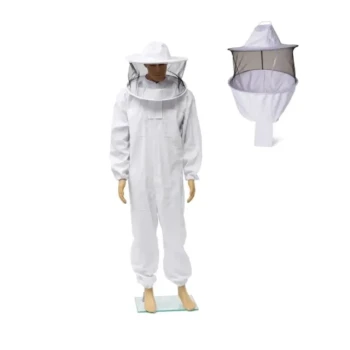
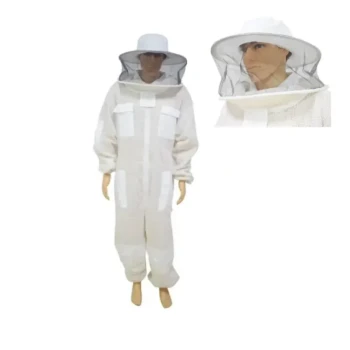
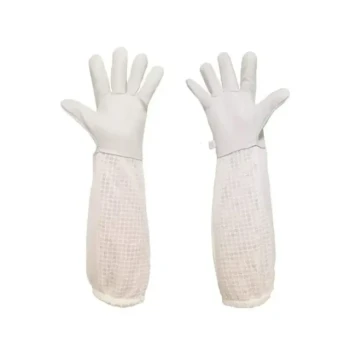
The recommended fit for protective beekeeping clothing is intentionally loose and baggy. To achieve this, you should generally select a size larger than your standard daily wear. A loose fit is critical because it maintains a safe distance between the fabric and your skin, whereas tight clothing creates direct contact points where stings can penetrate and drastically increases the risk of overheating.
Core Takeaway Beekeeping gear functions best when it "floats" over your body rather than clinging to it. A loose fit ensures the necessary freedom of movement for hive inspections and creates an air gap that serves as a secondary layer of defense against stings.
Why a Loose Fit is a Safety Requirement
The "Sting Buffer"
The primary mechanism of a bee suit is separation. By sizing up, you create a physical gap between the exterior fabric and your skin.
If the fabric is tight against your body, a bee's stinger can easily pass through the material and reach you. Loose folds of fabric make it difficult for the stinger to find purchase on your skin.
Essential Mobility
Beekeeping involves bending, lifting heavy boxes, and reaching across hives.
If your gear is form-fitting, it will restrict your movement, making physical tasks more strenuous. A loose fit allows you to move fluidly without the suit pulling or binding, which reduces fatigue during long inspections.
Thermal Regulation
Overheating is a significant risk in beekeeping, often more dangerous than the bees themselves.
A tight suit traps body heat against the skin. A larger, looser suit promotes better airflow and circulation within the garment, helping to manage body temperature on hot days.
Optimizing the Layers Underneath
Material Selection
The clothing you wear under your suit contributes significantly to your overall protection.
Opt for thick, durable materials like denim jeans or canvas painter’s pants. These fabrics are harder for stingers to penetrate than thin synthetics or leggings.
Coverage Gaps
Even with a suit, your base layers must provide coverage. Wear a long-sleeve shirt and pants.
If you wear low-rise pants, ensure your shirt has a long hem. This prevents your lower back from being exposed when you bend over to inspect a frame. Avoid shorts, tank tops, and sandals completely.
Securing the Entry Points
The Elastic Seal
While the body of the suit should be loose, the extremities must be tight.
Ensure your gear features strong, tight elastic around the wrists and ankles. This prevents bees from crawling up your sleeves or pant legs, which is a common way for stings to occur.
The Foot Connection
The transition from pant leg to shoe is a vulnerable area.
Tuck your pant legs into your socks or use boot bands to cinch the openings closed. Wear sturdy boots that cover the ankle to ensure a complete seal against "ankle biters."
Understanding the Trade-offs
Full Suits vs. Jackets
While fit remains constant (loose), the type of gear involves a trade-off between coverage and convenience.
Full suits offer total body protection, making them ideal for long, thorough inspections or aggressive hives. Jackets protect only the upper body, relying on your own pants for leg protection.
The Experience Factor
Many beginners start with a full suit for peace of mind and maximum safety.
However, full suits can be cumbersome and hotter. As beekeepers gain experience and comfort, they often transition to jackets for quick assessments, trading some lower-body protection for ease of use and better cooling.
Making the Right Choice for Your Goal
Select your gear based on your experience level and the specific task at hand.
- If your primary focus is maximum safety or long durations: Choose a full beekeeping suit one size larger than normal to ensure comprehensive coverage and comfort during extended movement.
- If your primary focus is quick access and heat management: Opt for a loose-fitting jacket paired with thick canvas pants, ensuring the ankles are cinched tight.
Ultimately, the right fit is one that allows you to forget about the gear and focus entirely on the bees.
Summary Table:
| Feature | Recommended Fit | Why It Matters |
|---|---|---|
| Body Size | One size larger than daily wear | Creates a "sting buffer" air gap and improves airflow. |
| Mobility | Intentionally loose & baggy | Allows bending and lifting without fabric pulling or binding. |
| Wrists & Ankles | Tight elastic seal | Prevents bees from crawling inside sleeves or pant legs. |
| Base Layers | Thick denim or canvas | Adds a secondary layer of protection beneath the suit. |
| Footwear | Tucked into socks/boots | Eliminates the common "ankle biter" entry point. |
Elevate Your Apiary Safety with HONESTBEE
Don't compromise on protection. HONESTBEE specializes in supporting commercial apiaries and distributors with high-quality, professional-grade beekeeping equipment. From expertly designed protective suits and jackets to advanced hive-making and honey-filling machinery, we provide the full spectrum of tools you need to scale your operations.
Partner with HONESTBEE for:
- Wholesale Excellence: Comprehensive supply of tools and essential industry consumables.
- Industrial Efficiency: High-performance machinery for large-scale honey production.
- Market Growth: A wide array of honey-themed cultural merchandise to expand your brand.
Ready to equip your business with the industry's best? Contact our experts today to discuss our wholesale offerings and how we can support your growth.
Related Products
- Premium Cotton Beekeeper Suit with Reinforced Fencing Veil
- White Cotton Beekeeping Jacket and Veil for Bee Keepers
- Beekeeping Jacket with Hood and Veil for Beekeepers
- Beekeeper Cowboy Hat and Veil for Beekeeping
- Premium Cowboy Beekeeper Hat with Visibility Veil Outdoor Professional Beekeeping Protective Gear
People Also Ask
- What material and design specifications are recommended for a high-quality beekeeper suit? Top Gear Selection Guide
- How to Pre-treat Propolis Stains on Beekeeping Suits? Master Advanced Fabric Care and Soil Removal
- What features should be considered for sting protection in a beekeeping suit? Ensure Total Safety and Comfort
- What are the differences between full suits and jackets with veils in beekeeping? Choose Your Best Protection
- What features should be looked for in a beekeeping suit for maximum comfort? Prioritize Ventilation and Fit