Late summer is the definitive window for harvesting and extracting honey from commercial hives. This specific timeframe ensures that bees have utilized the peak forage season to maximize production while allowing the colony enough time to prepare for the approaching colder months.
Timing your harvest for late summer strikes a critical balance: it captures the maximum yield from peak floral bloom while preserving colony health before the seasonal transition to winter.
Optimizing for Peak Production
Capitalizing on Forage Cycles
The primary objective of a commercial hive is to generate a surplus of honey. Harvesting in late summer allows the bees to take full advantage of the peak forage season, ensuring the highest possible yield.
Respecting the Seasonal Transition
Harvesting at this time acts as a natural pivot point for the colony. It concludes the production phase just before the bees must begin their physiological and behavioral transition into the colder months.
Operational Logistics of Extraction
Managing Weight and Volume
Honey boxes are deceptively heavy when fully engaged. To mitigate physical strain and risk of injury, it is advisable to disassemble the hive and remove frames one at a time rather than lifting full boxes.
Gentle Colony Management
The separation of bees from their resources must be handled with care. Bees should be gently brushed off the comb to clear the frame without causing unnecessary agitation or harm to the workforce.
Ensuring Operator Safety
The extraction process involves disrupting the hive, which naturally provokes a defensive response. Wearing full protective gear is a mandatory precaution to ensure the safety of the beekeeper during this labor-intensive process.
Understanding the Trade-offs
Labor vs. Speed
While moving whole boxes might seem faster, the excessive weight creates a high risk of back injury or dropped frames. Breaking down the hive frame-by-frame is slower but significantly safer and more manageable.
Yield vs. Winter Survival
Harvesting too late maximizes honey stores but risks interfering with the hive's winterization. Sticking to the late summer schedule ensures you harvest the surplus without compromising the time the bees need to settle for the cold.
Making the Right Choice for Your Operation
For a successful harvest, align your strategy with your operational goals:
- If your primary focus is Maximum Yield: Wait until late summer to ensure the bees have fully exploited the peak forage season.
- If your primary focus is Safety and Efficiency: Dismantle hives frame-by-frame to manage heavy loads and utilize a cart for transport to reduce physical strain.
By adhering to a late summer schedule, you secure the season's bounty while respecting the biological needs of your apiary.
Summary Table:
| Harvesting Factor | Recommendation | Rationale |
|---|---|---|
| Optimal Timing | Late Summer | Captures peak forage yield while allowing winter prep. |
| Extraction Method | Frame-by-frame | Reduces physical strain and risk of injury from heavy boxes. |
| Bee Removal | Gentle Brushing | Minimizes colony agitation and protects the workforce. |
| Safety Priority | Full Protective Gear | Essential to prevent stings during hive disruption. |
| Core Goal | Surplus Management | Ensures maximum honey harvest without compromising hive survival. |
Elevate Your Commercial Apiary with HONESTBEE
Optimizing your honey harvest requires the right balance of timing and professional-grade equipment. At HONESTBEE, we empower commercial apiaries and distributors with the high-performance tools needed to scale production efficiently.
From heavy-duty honey-filling machines and industrial hive-making equipment to our comprehensive range of beekeeping consumables and honey-themed cultural merchandise, we provide everything your business needs to succeed.
Ready to upgrade your operation? Contact us today to explore our wholesale solutions and discover how our expertise can streamline your extraction process and boost your bottom line.
Related Products
- High Quality Honey Dehumidifier Dryer Thickening Machine for Beekeeping
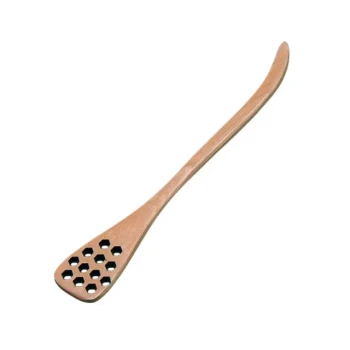
- Modern Honeycomb Pattern Wooden Honey Dipper for Stirring and Drizzling
- Economy Small Scale Honey Dryer Dehumidifier Thickening Machine
- Classic Honey Bear Jars with Flip Top Dispensing Cap for Liquid Sweeteners
- Inverted Squeezable Honey Jar with No Drip Flip Top Cap for Easy Pouring
People Also Ask
- Can you dehumidify honey? A Beekeeper's Guide to Preventing Fermentation
- How to dry up honey? The Safe Guide to Stabilizing Honey and Preventing Fermentation
- How can the moisture content of honey be reduced? A Guide to Safe, Effective Drying Methods
- How to remove humidity from honey? Protect Your Harvest from Fermentation
- How to decrease moisture in honey? Prevent Fermentation and Ensure Long-Term Quality