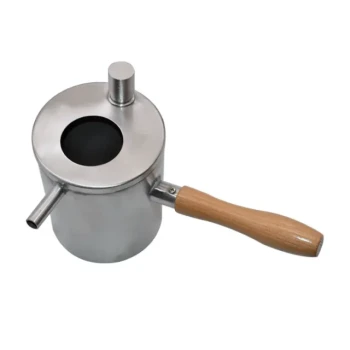
A laboratory muffle furnace is the primary instrument used to determine the total ash content of bee pollen. By subjecting samples to a stable high-temperature environment (typically between 550°C and 600°C), the furnace completely incinerates all organic material. This process isolates the inorganic residue, allowing analysts to quantify mineral levels and detect physical impurities.
The muffle furnace isolates the inorganic components of bee pollen by burning away organic matter. The resulting "ash content" serves as a dual indicator: it validates the nutritional mineral profile while simultaneously flagging contamination from soil, sand, or environmental dust.
The Mechanism of Ash Determination
High-Temperature Oxidation
The muffle furnace operates by creating an intensely hot environment, generally set to approximately 600°C for this application. At this temperature, the furnace ensures the complete combustion of the pollen's organic structure.
Elimination of Organic Matter
The goal is to remove every trace of carbon-based material, including proteins, fats, and carbohydrates. The heat converts these organic components into gases, which are vented away, leaving only the non-combustible material behind.
Isolation of Inorganic Residue
The material remaining after this process is known as ash. This residue represents the total inorganic content of the sample, providing the physical basis for weight-based quality calculations.
What Ash Content Reveals About Quality
Assessing Nutritional Integrity
The ash residue contains the mineral elements inherent to the pollen. Measuring the total ash allows researchers to assess the nutritional integrity of the sample, ensuring it contains the necessary mineral supplements required for bee health.
Detecting External Contaminants
Ash content is a critical metric for purity. Because organic pollen burns away, an abnormally high ash count often indicates the presence of non-burnable impurities introduced during collection.
Identifying Physical Pollutants
Specifically, the furnace helps reveal external inorganic pollutants. If the ash weight exceeds standard limits, it suggests the sample is contaminated with sand, soil, dust, or heavy metals that do not incinerate.
Understanding the Trade-offs
Non-Specific Results
While a muffle furnace accurately measures total mineral content, it does not identify specific minerals. It provides a gross weight of inorganic material but cannot distinguish between beneficial calcium and harmful lead without further chemical analysis.
Destructive Testing
The ashing process is inherently destructive. Because the sample is incinerated to remove organic matter, that specific portion of pollen cannot be used for any other type of testing (such as protein or moisture analysis) afterward.
Making the Right Choice for Your Goal
When analyzing bee pollen quality, the muffle furnace provides data that supports two distinct objectives.
- If your primary focus is Nutritional Value: Use the ash content percentage to verify that the pollen meets the minimum mineral requirements necessary to support a healthy bee colony.
- If your primary focus is Quality Control: Use the ash content data to screen for spikes in weight that indicate poor collection methods, such as the inclusion of ground soil or environmental dust.
The muffle furnace acts as the ultimate filter, stripping away the organic complexity of pollen to reveal the undeniable truth of its mineral purity.
Summary Table:
| Process Step | Temperature Range | Function in Pollen Analysis | Data Provided |
|---|---|---|---|
| High-Temperature Oxidation | 550°C - 600°C | Incinerates all organic material (proteins, fats, carbs) | Baseline for total inorganic residue |
| Isolation of Residue | Constant Heat | Separates non-combustible ash from carbon-based gases | Weight of total mineral content |
| Quality Assessment | Post-Cooling | Identifies abnormally high mineral weights | Detection of soil, sand, or dust contaminants |
Elevate Your Beekeeping Standards with HONESTBEE
At HONESTBEE, we understand that maintaining the highest quality standards for bee pollen and honey products is essential for commercial apiaries and distributors. Whether you are scaling up production with our specialized hive-making and honey-filling machinery or ensuring product purity through precise laboratory analysis, we provide the tools you need to succeed.
From industrial-grade beekeeping equipment to essential consumables and honey-themed cultural merchandise, HONESTBEE is your comprehensive wholesale partner. Contact us today to discover how our expert solutions and hardware can optimize your operations and ensure your products meet global quality benchmarks.
References
- Erkan Topal, Mustafa Kösoğlu. The Effect of Supplementary Feeding with Different Pollens in Autumn on Colony Development under Natural Environment and In Vitro Lifespan of Honey Bees. DOI: 10.3390/insects13070588
This article is also based on technical information from HonestBee Knowledge Base .
Related Products
- Solar Beeswax Melter Easy Solar Wax Melter for Beeswax
- Premium Traditional Copper Bee Smoker with Bellows
- HONESTBEE AC Powered Wire Embedder with Alligator Clips
- Handheld Induction Sealing Machine for Tamper Evident Packaging
- Beeswax Melter for Candle Making Honey Bee Wax Melter
People Also Ask
- How does a solar melter work to process beeswax? The Eco-Friendly Way to Pure Wax
- What is a solar wax melter and how does it work? Harness the Sun for Pure Beeswax
- What are the benefits of using a solar wax melter? Harness the Sun for Pure, Cost-Effective Beeswax
- What is the purpose of a solar wax melter in beekeeping? Sustainable Wax Processing for Modern Apiaries
- How does a solar-powered frame wax melter work? Harness the Sun for Sustainable Beekeeping