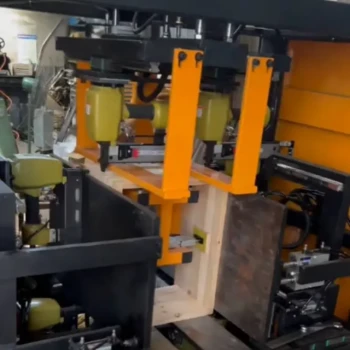
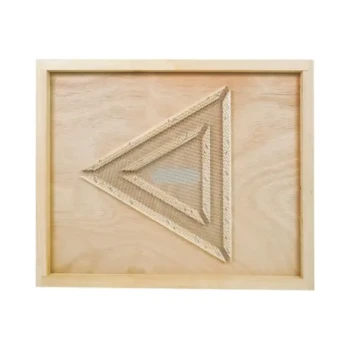
Artificial wooden box hives serve as the fundamental infrastructure for the transfer and management of Australian stingless bees (Tetragonula carbonaria). They provide a controlled, simulated environment that enables the successful transfer of colonies from natural logs, the multiplication of hives through splitting, and the standardized deployment of bees for crop pollination.
Core Takeaway Transitioning wild colonies to artificial environments serves a dual purpose: expanding colony numbers and preserving bee health. While the move may cause temporary fluctuations in microbial diversity, artificial wooden box hives successfully maintain the stability of core gut microbiota, ensuring the long-term adaptability and survival of the colony.
Facilitating Colony Growth and Rescue
Enabling Hive Splitting
The primary functional role of the artificial wooden box is to allow for controlled colony multiplication. Unlike natural log hives, these boxes are designed to be separated, allowing beekeepers to split one strong colony into two, thereby increasing stock for conservation or commercial use.
Standardizing Rescue Operations
For colonies rescued from felled trees or compromised natural logs, artificial boxes provide a standardized living space. This acts as a reliable "bionic" habitat that mimics the protective qualities of a natural nest while allowing for human intervention and monitoring.
Ensuring Biological Stability
Maintaining Core Gut Health
A critical concern in Meliponiculture is whether artificial environments negatively impact bee biology. Research confirms that while the transfer to a wooden box may induce temporary fluctuations in microbial diversity, it does not compromise the colony's long-term health.
Stabilizing the Microbiome
The artificial hive environment is capable of maintaining the stability of core gut microbiota. This biological continuity is essential, as it ensures the bees retain their immunity and ability to digest resources effectively despite the change in physical habitat.
Thermal Insulation
These hives are designed to offer excellent thermal insulation. This protection is vital for Tetragonula carbonaria, helping the colony regulate internal temperatures and reducing the metabolic energy required to maintain the brood nest.
Optimizing Operational Management
Streamlining Maintenance
Standardized hives significantly reduce the complexity of daily rearing. The modular design replaces the erratic shapes of natural logs with uniform components, simplifying tasks such as inspection and resource harvesting.
Enhancing Commercial Pollination
The portability of wooden box hives transforms the colony into a mobile pollination unit. This modularity facilitates efficient transport and precise deployment for specific crops, such as cucumbers, directly enhancing overall pollination efficiency.
Balancing Internal Volume
The physical dimensions of the hive—specifically 17.5 cm x 17.5 cm x 11.5 cm—are not arbitrary. They are calculated to balance the internal volume with the bees' defensive capabilities, ensuring sufficient space for pollen pots, honey pots, and brood chambers without creating a space too large for the bees to defend.
Understanding the Trade-offs
Temporary Microbial Disruption
While the core gut microbiome eventually stabilizes, the initial transfer is a stress event. Beekeepers must acknowledge that the move from a natural log to a wooden box causes a transient shift in microbial diversity.
The Necessity of Precision
The benefits of artificial hives rely heavily on adherence to specific dimensions. An incorrectly sized box can disrupt the balance between storage space and the colony's defensive perimeter, potentially leaving the hive vulnerable to pests or thermal stress.
Making the Right Choice for Your Goal
When integrating artificial wooden box hives into your apiary, align your management style with your specific objectives:
- If your primary focus is Colony Rescue and Conservation: Prioritize the hive's thermal insulation and stability properties to support the re-establishment of the bees' core gut microbiota after the stress of transfer.
- If your primary focus is Commercial Pollination: Leverage the modularity and standardized dimensions of the box to facilitate frequent transport and high-density deployment in crop fields.
Artificial wooden box hives bridge the gap between natural biology and agricultural necessity, turning wild preservation into sustainable management.
Summary Table:
| Feature | Benefit for Tetragonula carbonaria | Management Role |
|---|---|---|
| Modular Design | Enables controlled colony splitting & easy transport | Multiplication & Commercial Pollination |
| Standardized Volume | Balances storage space with colony defense | Resource Management & Security |
| Thermal Insulation | Mimics natural logs to regulate internal temperature | Colony Survival & Energy Conservation |
| Biological Stability | Maintains core gut microbiota after initial transfer | Health Preservation & Immune Support |
| Uniform Dimensions | Simplifies hive inspections and maintenance | Operational Efficiency |
Scale Your Apiary with HONESTBEE
Maximize the productivity and health of your colonies with professional-grade solutions. HONESTBEE specializes in catering to commercial apiaries and distributors, providing a comprehensive wholesale range of beekeeping tools, machinery, and essential consumables.
Whether you need specialized hive-making machines to craft the perfect artificial box or honey-filling equipment to process your harvest, we deliver the hardware and expertise you need to succeed. From large-scale industrial machinery to honey-themed cultural merchandise, we help you transform wild preservation into a sustainable commercial enterprise.
Ready to upgrade your beekeeping operations? Contact us today to explore our wholesale catalog!
References
- Toby Mills, Brett A. Neilan. Hive Transplantation Has Minimal Impact on the Core Gut Microbiome of the Australian Stingless Bee, Tetragonula carbonaria. DOI: 10.1007/s00248-023-02222-w
This article is also based on technical information from HonestBee Knowledge Base .
Related Products
- 5 Frame Wooden Nuc Box for Beekeeping
- Wholesales Dadant Size Wooden Bee Hives for Beekeeping
- Wooden Bee Hive Frames for Beekeeping and Wholesale
- Langstroth Honey Bee Box Hive Boxes for Different Depths
- Metal Bee Hive Stand Bee Box Stand for Beekeeping
People Also Ask
- What are the options for adding frames to a nuc after taking two frames from the parent colony?
- What frames should be moved into the queenless hive when requeening with a nuc? Ensure a Successful Queen Introduction
- What roles do five-frame nucleus boxes and ten-frame Langstroth hive boxes play in colony standardization?
- What is the primary function of five-frame nuclei boxes? Master Early Colony Establishment for Stronger Hives
- What is the typical composition of frames in a nuc? A 5-Frame Blueprint for a Thriving Hive