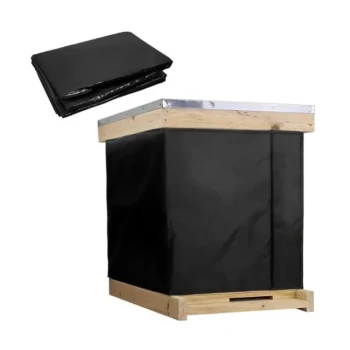
The primary role of insulation in winterizing a beehive is to act as a thermal buffer against cold air, icy winds, and damp conditions. By reducing the rate of heat loss, insulation minimizes the metabolic energy the colony must expend to maintain life-sustaining internal temperatures, thereby conserving their food stores.
Winter survival is ultimately a matter of energy management; insulation allows the colony to allocate fewer resources to heating and more to survival and spring brood rearing.
The Mechanics of Heat Retention
Creating a Thermal Barrier
The core function of insulation is to trap the heat generated by the bees within the hive. Materials with low thermal conductivity, such as foam, create a barrier that prevents this internal warmth from escaping into the environment.
In severely cold weather, this trapped heat is crucial. It acts as a shield against freezing external temperatures, ensuring the cluster remains warm enough to survive.
Reducing Metabolic Stress
Bees consume honey to generate heat through muscle vibration (shivering). When a hive is uninsulated, heat dissipates rapidly, forcing bees to consume their winter stores at a much faster rate.
By maintaining higher internal temperatures with insulation, the colony significantly reduces the energy required for thermoregulation. This conservation is vital for ensuring food stores last until spring.
Impact on Colony Output
The benefits of insulation extend beyond mere survival. Because the colony spends less energy fighting the cold, it can direct more resources toward vital biological functions.
Evidence suggests that insulated hives often show increased capped brood areas and higher honey yields. A colony that exits winter with ample energy reserves is better positioned to forage and expand rapidly in the spring.
Implementation and Timing
When to Insulate
Timing is critical to align with the bees' biological cycle. According to standard practices, insulation should typically be installed in late October.
It should remain in place throughout the coldest months, generally being removed around February. This covers the period when the colony is most vulnerable to cold and damp nights.
Placement Methods
There are two primary ways to apply insulation. If the hive configuration allows for it, insulation can be placed directly inside the hive to minimize dead air space.
Alternatively, beekeepers often wrap the exterior of the hive. Common external methods include using specialized insulation wraps or simple tar paper to block wind and retain heat.
Understanding Material Trade-offs
Durability vs. Thermal Value
Not all insulation materials offer the same protection. Foam insulation provides a high R-value (thermal resistance) and high durability, making it highly effective for harsh climates.
In contrast, straw wraps offer only moderate R-value and have lower durability. While traditional, they may require more maintenance or frequent replacement compared to modern synthetic options.
Efficiency vs. Ease of Installation
Reflective bubble wrap is a popular choice for its ease of installation. However, it only provides a moderate R-value compared to denser materials.
Natural wool offers a high R-value, similar to foam, but possesses only moderate durability. You must weigh the benefit of using natural materials against the potential longevity of the insulation.
Making the Right Choice for Your Goal
Selecting the right winterization strategy depends on your specific climate and colony needs.
- If your primary focus is maximum thermal efficiency: Choose foam insulation, as it offers the highest R-value and durability to minimize heat loss in severe cold.
- If your primary focus is ease of application: Utilize reflective bubble wrap, which provides moderate protection but is simple to install and adjust.
- If your primary focus is using organic materials: Opt for natural wool, acknowledging that while it has excellent thermal properties, it is less durable than synthetic foam.
Ultimately, effective winterization ensures the colony retains enough energy to transition from surviving the cold to thriving in the spring.
Summary Table:
| Insulation Material | Thermal R-Value | Durability | Best Use Case |
|---|---|---|---|
| Foam Board | High | High | Severe climates & maximum heat retention |
| Natural Wool | High | Moderate | Organic-focused beekeeping with high efficiency |
| Reflective Wrap | Moderate | Moderate | Ease of installation & mild-to-moderate cold |
| Straw/Tar Paper | Low-Moderate | Low | Traditional wind protection & budget-friendly |
Secure Your Apiary’s Success with HONESTBEE
Winter survival is the foundation of a profitable spring season. HONESTBEE specializes in supporting commercial apiaries and distributors by providing high-quality, professional-grade beekeeping equipment.
Whether you need specialized hive-making machinery, advanced honey-filling systems, or essential winterization consumables, our comprehensive wholesale offering ensures your operations remain efficient and your colonies stay protected. We bridge the gap between industrial-scale manufacturing and biological necessity.
Ready to scale your beekeeping business?
Contact HONESTBEE Today to explore our full spectrum of tools and cultural merchandise designed for industry leaders.
Related Products
- Professional Insulated Plastic Bee Hives
- Professional Insulated Winter Hive Wrap for Beekeeping
- Inner Beehive Cover for Beekeeping Bee Hive Inner Cover
- Stainless Steel Round Beehive Air Vents for Ventilation
- Metal Hive Feet Bee Hive Stand for Ant Protection
People Also Ask
- What are the advantages of plastic bee hives? Boost Efficiency & Durability for Your Apiary
- Are plastic bee hives any good? Unlock Durability & Efficiency for Your Apiary
- How do plastic bee hives compare to wooden hives in handling? Reduce Strain & Boost Efficiency
- Are plastic bee hives good? Durable, Low-Maintenance Hives for Modern Apiaries
- What are the disadvantages of plastic beehives? Key Operational and Environmental Risks Exposed