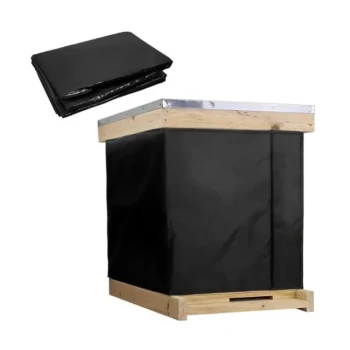
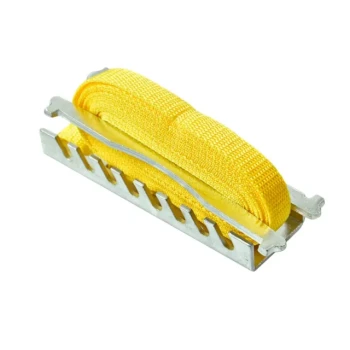
Insulation wraps and hive wraps function primarily by creating a high-efficiency thermal barrier. These materials utilize high thermal resistance properties to drastically reduce heat loss from the hive's interior. By maintaining a stable core temperature, they lower the colony's metabolic demand, preventing starvation and freezing while ensuring the bees retain enough energy to expand rapidly once spring arrives.
Core Takeaway The primary function of hive insulation is energy conservation, not just heat generation. By minimizing heat loss, wraps allow the colony to maintain a survivable cluster temperature with significantly less physical effort and lower food consumption.
The Core Mechanism: Thermal Resistance
Creating a Thermal Barrier
The fundamental principle of a hive wrap is thermal resistance. Materials such as specialized covers, gunny bags, or straw act as a physical shield between the hive and the external environment.
Reducing Heat Transfer
These barriers significantly slow the rate at which heat escapes the hive. This retention allows the colony to maintain the necessary core temperature for the cluster without fighting a constant, rapid loss of warmth to the outside air.
Stabilizing Internal Temperatures
By mitigating rapid fluctuations caused by external weather, wraps help maintain a consistent internal environment. This stability is critical for preventing the "yo-yo" effect where bees must constantly adjust their metabolic output.
Biological Benefits for the Colony
Reducing Metabolic Stress
Without insulation, bees must physically vibrate their wing muscles to generate heat, a process that is physically exhausting. Insulation reduces the need for this intense thermoregulation, lowering the physiological stress on individual bees and reducing mortality rates.
Preserving Winter Food Stores
Heat generation requires fuel, which bees obtain by consuming honey. Effective insulation reduces the energy load, directly resulting in lower food consumption. This prevents the colony from depleting its winter stores prematurely and facing starvation before spring.
Ensuring Spring Vitality
A colony that spends the winter warm and well-fed does not just survive; it thrives. By conserving energy reserves during the cold months, the colony emerges with greater vitality, ready for rapid brood rearing and expansion as soon as the weather warms.
Secondary Protections: Wind and Moisture
Shielding Against Wind Chill
Beyond simple temperature control, wraps serve as a shield against cold external winds. Blocking wind prevents drafts that can strip heat away from the cluster faster than the bees can generate it.
Managing Condensation Risks
Properly designed wraps, such as those using double-layered cotton or canvas, help protect the hive from moisture ingress. Preventing moisture buildup is vital, as condensation can drip onto the bees and freeze, causing fatal chilling even if the air temperature is survivable.
Understanding the Trade-offs
The Risk of Over-Insulation
While insulation is beneficial, there is a distinct risk of doing too much. Over-insulating can trap too much heat, causing the hive to become excessively warm relative to the season.
Solar Gain Interference
Heavy insulation may block beneficial solar heat. If the hive is too insulated from the sun, the bees miss out on free passive warming during the day.
Premature Activity
An excessively warm hive can trick bees into becoming active too early. Increased activity leads to a spike in honey consumption, which paradoxically can cause the colony to starve despite the warm temperature.
Making the Right Choice for Your Goal
To maximize colony survival, you must balance heat retention with ventilation and solar gain.
- If your primary focus is conserving food stores: Prioritize high thermal resistance wraps to minimize the energy bees must expend on heat generation.
- If your primary focus is avoiding moisture damage: Ensure your insulation strategy includes breathable materials or proper ventilation to prevent fatal condensation buildup.
- If your primary focus is utilizing solar heat: Avoid excessive bulk that blocks the sun, or use wraps that allow for passive solar gain during daylight hours.
The ultimate goal of hive wrapping is to help the colony manage its own energy budget efficiently, ensuring they reach spring with ample resources for growth.
Summary Table:
| Feature | Primary Function | Key Benefit to Colony |
|---|---|---|
| Thermal Barrier | Reduces heat loss through resistance | Lowers metabolic demand and physical exhaustion |
| Wind Shielding | Blocks cold drafts and wind chill | Prevents rapid temperature drops within the hive |
| Energy Conservation | Minimizes honey consumption | Ensures food stores last until spring expansion |
| Moisture Control | Manages condensation risks | Prevents fatal chilling from internal moisture build-up |
| Temp. Stability | Mitigates external fluctuations | Reduces physiological stress on the winter cluster |
Secure Your Apiary’s Success with HONESTBEE
Ensure your colonies emerge from winter with maximum vitality. HONESTBEE specializes in supporting commercial apiaries and distributors with a comprehensive range of premium beekeeping tools and hardware.
From high-efficiency insulation materials and durable hive components to advanced honey-filling machines and hive-making equipment, we provide the industrial-grade solutions you need to scale your operations.
Partner with HONESTBEE today to access wholesale pricing on the industry's most reliable equipment.
References
- Yogesh Kumar, Mehrajuddin Sofi. Training Need Perception of Beekeepers with Respect to the Scientific Beekeeping Practices in Jammu Province. DOI: 10.20546/ijcmas.2020.909.392
This article is also based on technical information from HonestBee Knowledge Base .
Related Products
- Professional Insulated Winter Hive Wrap for Beekeeping
- Inner Beehive Cover for Beekeeping Bee Hive Inner Cover
- Professional Insulated Plastic Bee Hives
- Telescopic Beehive Outer Cover Lid Roof with Galvanised Sheeting for Langstroth Hive and Beehive Outer Cover
- Professional Galvanized Hive Strap with Secure Locking Buckle for Beekeeping
People Also Ask
- What are the steps to properly wrap a beehive for winter? Ensure Your Colony Survives the Cold
- When is the best time to wrap a beehive for winter? A Guide to Perfect Winterization Timing
- How do professional insulation wraps provide protection for bee colonies? Optimize Winter Survival & Energy Efficiency
- What are the technical benefits of using winter wraps for beehive insulation? Boost Colony Survival & Hive Health
- What are the benefits of using insulated covers for hives? Ensure Colony Survival and Health