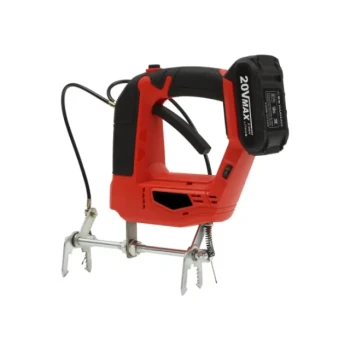
Mobile beekeeping equipment functions as a strategic logistical bridge, connecting honeybee colonies to resources that are geographically distant but biologically necessary. Its primary role is to facilitate the physical relocation of hives across varying altitudes and regions, allowing colonies to follow flowering cycles and access food sources that are unavailable in their local environment.
The core advantage of mobile equipment is that it transforms a local resource crisis into an opportunity for growth. By moving colonies to areas of abundance, you reduce the biological cost of foraging for the bees while simultaneously increasing overall honey yields.
Chasing the Bloom: The Primary Strategy
The fundamental role of mobile beekeeping is to align the location of the hive with the availability of nectar.
Following Flowering Cycles
Vegetation blooms at different times depending on altitude and regional climate. Mobile equipment allows you to transport colonies to sync with these natural cycles.
Reducing Foraging Stress
When resources are scarce locally, bees must fly distinctively longer distances to forage, which consumes energy and reduces lifespan. Relocation places the hive directly within resource-rich zones.
Maximizing Honey Yield
By following the "green wave" of blooming flora, colonies remain in a state of high productivity for longer periods. This prevents the downtime usually associated with seasonal droughts.
Operational Efficiency Through Mechanization
Moving hives is labor-intensive; specialized mobile equipment transforms this from a physical burden into a manageable process.
Reducing Labor Intensity
Advanced machinery, such as electric transport forklifts and automated handling tools, drastically lowers the physical effort required to move hives. This allows fewer beekeepers to manage larger numbers of mobile colonies.
Precision in Relocation
Intelligent monitoring systems and efficient transport tools allow for faster, more precise execution of colony relocation. This shortens the time bees spend in transit, providing a more stable environment and reducing stress on the colony.
Bridging the Gap: Nutritional Support Systems
While relocation finds natural food, mobile operations also rely on specialized hardware to supplement nutrition when natural sources are completely inaccessible or during travel.
Maintaining Energy Metabolism
Specialized beekeeping feeders (internal or external) deliver sugar syrup or protein supplements. This is critical for maintaining the colony's energy when natural nectar is temporarily unavailable due to weather or transit.
Sustaining Colony Strength
Continuous nutrient supply via feeders ensures the queen maintains her egg-laying vitality and worker bees retain immunity. This prevents the population, or "colony strength," from collapsing before the next honey flow begins.
Water Management
Automatic watering systems are essential during dry seasons or relocation. They ensure bees have water for evaporative cooling and brood rearing, which is vital for survival in changing environments.
Understanding the Trade-offs
While mobile beekeeping solves resource shortages, it introduces specific complexities that must be managed.
Logistics and Cost
Nomadic beekeeping increases operational costs. While emergency feeding systems help offset resource scarcity, the logistics of transport and fuel add a financial layer that stationary beekeeping avoids.
Reliance on Artificial Inputs
If relocation is not possible, relying solely on feeders is a "life-support" measure. While it prevents mortality, it requires precise calculation to ensure the colony builds enough comb and stores sufficient honey for winter survival.
Making the Right Choice for Your Goal
To effectively manage seasonal shortages, you must balance mobility with nutritional support.
- If your primary focus is Maximizing Yield: Prioritize transport infrastructure and forklifts to aggressively move colonies to different altitudes where flora is actively blooming.
- If your primary focus is Colony Survival: Invest in specialized feeding and watering systems to maintain brood-rearing capacity and prevent starvation during gaps in natural forage.
Success depends on using mobility to find resources when possible, and precision feeding to bridge the gap when nature cannot provide.
Summary Table:
| Feature | Role in Resource Management | Impact on Colony Health |
|---|---|---|
| Mobile Transport | Relocates hives to active blooming regions | Reduces foraging stress & increases lifespan |
| Mechanized Handling | Enables rapid, large-scale colony movement | Minimizes transit time & environmental shock |
| Feeding Systems | Provides supplemental sugar/protein | Prevents population collapse during gaps |
| Watering Systems | Ensures hydration for cooling & brood | Maintains hive stability in dry conditions |
Partner with HONESTBEE for Superior Nomadic Beekeeping Solutions
Maximize your honey production and ensure colony survival with HONESTBEE. We provide commercial apiaries and distributors with the professional tools needed to master mobile beekeeping logistics.
Our comprehensive range includes:
- Advanced Machinery: Electric transport forklifts and hive-making machines to streamline your operations.
- Precision Hardware: Specialized feeding and honey-filling systems designed for efficiency.
- Industry Consumables: A full spectrum of essential supplies and honey-themed cultural merchandise.
Whether you are scaling a commercial apiary or supplying the global market, we deliver the specialized equipment you need to turn seasonal challenges into growth opportunities.
Contact HONESTBEE Today for Wholesale Inquiries
References
- Abdelkader Belhadi, Merzoug Ghali. Apport de l’apiculture dans le développement durable des Monts des Béni Chougrane (Algérie occidentale). DOI: 10.14198/mdtrra2008.19.02
This article is also based on technical information from HonestBee Knowledge Base .
Related Products
- High Performance Cordless Electric Bee Shaker for Beekeeping
- HONESTBEE Professional Mini J-Hook Hive Tool for Beekeeping
- Stainless Steel J Hook Hive Tool for Beekeeping
- Miniature Stainless Steel Bee Smoker for Beekeeping
- HONESTBEE 15-in-1 Beekeeper Multi-Tool with Hammer and Pliers for Beekeeping
People Also Ask
- Why is the use of a bee shaker and alcohol wash necessary? Master Accurate Varroa Mite Monitoring
- What role do efficient auxiliary tools play in managing labor resources? Maximize Apiary Output & Labor Efficiency
- What should be done with the bee sample after conducting a varroa mite count with a shaker? Post-Test Care Guide
- What is an electric bee smoker? A Guide to Automated Hive Management
- What is the function of a high-performance bee smoker in commercial apiary management? Maximize Safety & Efficiency