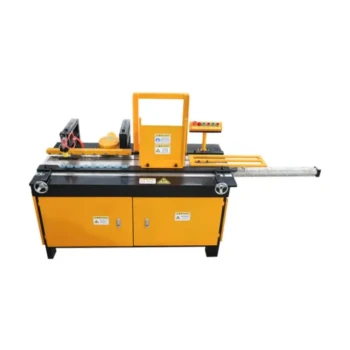
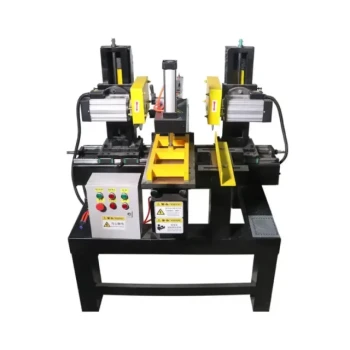
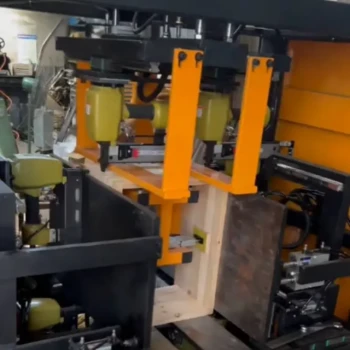
Specialized beehive manufacturing equipment serves as the critical industrial backbone of modern apiculture, transforming it from an artisanal craft into a scalable, precise agricultural science. By replacing traditional woven or hollow log structures with mechanized production, this equipment ensures that hives are built with exact dimensions, superior structural integrity, and the uniformity required for efficient colony management.
The Core Insight The primary function of this equipment is not just to cut wood, but to establish strict standardization across the supply chain. This uniformity is the prerequisite for modern beekeeping, enabling the universal interchangeability of parts, the use of automated extraction machinery, and the mass production necessary for large-scale commercial operations.
The Foundation of Standardization
Precision Engineering and Interchangeability
The most immediate role of this machinery is to guarantee dimensional accuracy. In modern systems like the Langstroth hive, frames and boxes must fit together perfectly to respect the "bee space."
Manufacturing equipment ensures that every component produced is identical. This allows beekeepers to swap frames between hives effortlessly, facilitating rapid management interventions without the friction caused by irregular, hand-crafted components.
Structural Integrity and Longevity
Mechanized processing produces hives that are significantly more durable than traditional alternatives. By ensuring tight joints and precise milling, the equipment creates structures capable of withstanding the elements for extended periods.
High-quality hives produced by these machines can have a service life exceeding 20 years. This durability drastically reduces the frequency of repairs and lowers the long-term depreciation costs of apiary infrastructure.
Enhancing Colony Health and Management
Optimizing the Micro-Climate
The precision provided by specialized woodworking machinery is vital for the hive's internal environment. Machines create tight-sealing components that eliminate drafts and water leaks.
This structural precision helps the colony regulate temperature and humidity. A stable micro-climate enhances the bees' ability to withstand extreme weather and reduces the energy they must expend on heating or cooling the hive.
Streamlining Pest and Disease Control
Modern frame hives, produced via specialized equipment, are designed specifically for accessibility. Unlike traditional enclosed logs, these hives allow for the easy removal and inspection of individual combs.
This accessibility is crucial for identifying and treating pests or diseases early. Standardized dimensions ensure that inspection tools and treatments can be applied universally across the apiary.
Facilitating Scale and Logistics
Enabling Migratory Beekeeping
For commercial operations, bees must often be moved to follow nectar flows or fulfill pollination contracts. Specialized manufacturing produces robust hives with high-performance ventilation systems designed to mitigate stress during transport.
These mechanically reinforced structures ensure survival rates during transit remain comparable to stationary hives, allowing operators to tap into diverse nectar sources across different regions.
Supporting Industrial Automation
Industrial-grade manufacturing equipment is the upstream foundation for downstream automation. By ensuring every hive box is uniform, the equipment provides the necessary hardware compatibility for automated honey extraction lines.
This compatibility allows large-scale apiaries to expand rapidly. It reduces the learning curve for new employees and standardizes the workflow, turning honey production into a streamlined industrial process.
Understanding the Trade-offs
While specialized equipment drives efficiency, it introduces specific challenges that must be managed:
High Capital Investment
Transitioning to industrial-grade manufacturing machinery requires significant upfront capital. For smaller operations, the return on investment may take years to realize compared to purchasing finished hives or using simpler tools.
Rigidity in Design
Mass production relies on uniformity. This can lead to a lack of flexibility if a beekeeper wishes to experiment with non-standard hive designs or adapt to a unique local micro-climate that requires a bespoke architectural approach.
Making the Right Choice for Your Goal
To leverage this technology effectively, align the equipment's capabilities with your specific operational needs:
- If your primary focus is Commercial Scalability: Prioritize equipment that guarantees high-volume output and absolute compatibility with automated extraction lines to maximize efficiency.
- If your primary focus is Migratory Beekeeping: Select machinery capable of producing reinforced joints and advanced ventilation features to ensure colony survival during long-distance transport.
- If your primary focus is Asset Longevity: Focus on precision woodworking tools that create tight, weather-resistant seals to extend hive lifespan and reduce replacement costs over the 20-year horizon.
Ultimately, specialized manufacturing equipment is the lever that allows beekeepers to shift their focus from maintaining wooden boxes to managing the health and productivity of the colonies inside them.
Summary Table:
| Key Feature | Primary Role in Beekeeping | Economic & Biological Impact |
|---|---|---|
| Dimensional Precision | Guarantees "bee space" & part interchangeability | Rapid colony management & effortless inspections |
| Structural Integrity | Creates tight-sealing, weather-resistant joints | Extends hive lifespan to 20+ years; reduces depreciation |
| Uniformity | Enables compatibility with automated machinery | Supports large-scale honey extraction & industrial growth |
| Climate Control | Optimizes internal temperature & humidity | Improves colony survival rates & reduces bee energy stress |
| Robust Construction | Enhances durability for migratory transport | Facilitates large-scale pollination contracts & logistics |
Scale Your Beekeeping Business with HONESTBEE
Transitioning from artisanal craft to industrial efficiency requires the right foundation. HONESTBEE specializes in empowering commercial apiaries and distributors with the high-performance tools needed to dominate the market. We provide a comprehensive wholesale portfolio, including:
- Precision Machinery: Advanced hive-making and honey-filling machines for seamless production.
- Essential Hardware: A full spectrum of standardized beekeeping tools and equipment.
- Industry Consumables: Every essential item needed to maintain a professional apiary.
- Cultural Merchandise: Unique honey-themed products to diversify your brand.
Whether you are scaling up for migratory pollination or seeking to optimize your honey extraction line, our expert team is ready to provide the specialized solutions your business demands.
Connect with HONESTBEE Today to Modernize Your Operation
References
- Mekuanint Tadilo, Habtie Ambaw. Contribution of Beekeeping for Job Creation and Poverty Alleviation in Ethiopia. DOI: 10.11648/j.avs.20241206.11
This article is also based on technical information from HonestBee Knowledge Base .
Related Products
- Beehive Handle and Frame Rest Cutting Machine: Your Specialized Hive Machine
- High-Efficiency Pneumatic Bee Hive Making Machine for Rapid Box Assembly
- Mini Desktop Bee Hive Frame Forming Making Machine
- Beehive Machine Double End Saw for Precision Hive Component Manufacturing
- HONESTBEE Top Bar & Bottom Bar Forming Machine | Bee Frame Machine
People Also Ask
- What is the importance of specialized beehive-making machinery? Ensure Precision for Sensor-Based Hive Monitoring
- How do bee hive handles facilitate the evaluation of food stores? Use the Lift Test for Winter Survival
- How do specialized beehive handling machines contribute to efficiency? Streamline Your Mobile Beekeeping Logistics
- How do professional beehive and frame manufacturing machines contribute to commercial apiary management? Boost Efficiency
- What are the standard dimensions for frame rests in a beehive? Essential Guide for Perfect Bee Space