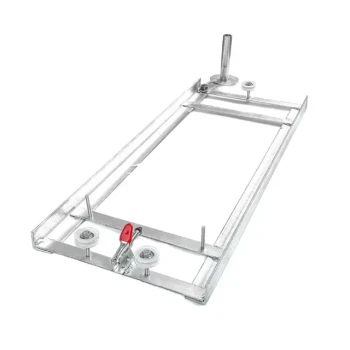
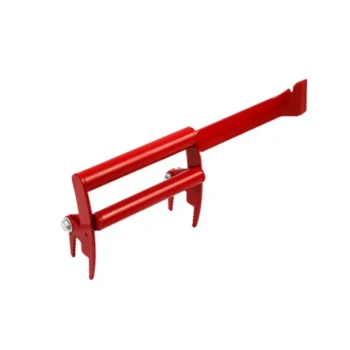
Standardized beehives and movable frames serve as the fundamental infrastructure for the scientific management of Apis cerana. These tools transform beekeeping from a passive, extraction-based activity into a dynamic, data-driven practice. They allow technicians to access specific colony segments—typically comprised of 5 to 6 frames—to sample larvae, pupae, and adults without destroying the nest structure.
Core Takeaway By utilizing precise dimensions and movable components, these systems solve the primary challenge of managing Apis cerana: maintaining colony stability while conducting invasive inspections. This infrastructure enables systematic disease tracking and creates a controlled microenvironment that prevents the colony from absconding, a common trait of this sensitive species.
Enabling Dynamic Health Monitoring
The most critical function of the standardized hive, according to primary scientific protocols, is facilitating the continuous health assessment of the colony.
Systematic Sampling
Movable frames allow technicians to isolate and extract biological samples easily. By removing specific frames, experts can collect larvae, pupae, and adult bees to assess the developmental health of the colony. This capability is essential for detecting early signs of colony failure or brood diseases.
Debris Analysis and Pathogen Tracking
The structure of standardized hives permits the regular collection of bottom board debris. Analyzing this debris is the primary method for monitoring specific threats such as Thai Sacbrood Virus, wax moths, and other natural predators. This turns the hive into a diagnostic tool rather than just a storage container.
Optimizing the Microenvironment
Apis cerana is highly sensitive to environmental fluctuations. Standardized hardware is designed to mitigate these stressors, directly influencing survival rates.
Regulating Temperature and Humidity
A well-designed hive acts as a bionic environment, stabilizing internal temperature and humidity. By maintaining these factors mechanically, the hive reduces the biological workload on worker bees. Fewer bees are needed for "housekeeping" (heating or cooling the nest), freeing up a larger portion of the population for foraging.
Reducing Energy Waste
When the hive structure handles thermal regulation efficiently, the colony conserves energy. This energy conservation directly translates to higher survival rates during extreme weather and improved collection efficiency when the colony is moved to different migratory sites.
Ensuring Colony Stability and Retention
One of the greatest difficulties in managing Apis cerana is its tendency to abscond (abandon the hive) if conditions are poor. Standardized equipment addresses this behavioral trait.
Precise "Bee Space" Dimensions
Unlike wild cavities, professional equipment uses precise dimensions (e.g., 36cm x 18cm x 26cm) to match the specific biological requirements of Apis cerana. Providing the correct "bee space" prevents the bees from building irregular burr combs, which ensures proper ventilation and reduces the stress reactions that trigger absconding.
Non-Destructive Management
Traditional honey gathering often destroys the hive structure. Movable frames allow for the sustainable harvesting of honey and the artificial rearing of queens without wrecking the nest. This stability encourages the bees to settle permanently, facilitating long-term commercial operations.
Understanding the Trade-offs
While standardized hives are superior to traditional methods, they require strict adherence to specifications to function correctly.
The Risk of Incorrect Dimensions
You cannot simply use equipment designed for Apis mellifera (Western honeybees) for Apis cerana. Apis cerana is smaller and requires distinct frame spacing; using incorrect dimensions will disrupt ventilation and temperature control, potentially leading to colony collapse or absconding.
Competition Management
Even with perfect hardware, Apis cerana is vulnerable to competition from Apis mellifera, which has stronger cleaning and resource-gathering instincts. Standardized hives must be paired with physical isolation strategies to prevent the local Apis cerana species from being out-competed and displaced.
Making the Right Choice for Your Goal
To maximize the effectiveness of your hardware, align your management strategy with your primary objective:
- If your primary focus is Disease Control: Prioritize hives with accessible bottom boards and movable frames to facilitate weekly debris analysis and brood sampling for Thai Sacbrood Virus.
- If your primary focus is Colony Retention: Ensure your hive dimensions are manufactured to the precise millimeter for Apis cerana to minimize stress and prevent absconding.
- If your primary focus is Honey Production: Leverage the thermal efficiency of the hive to reduce worker energy expenditure, thereby increasing the available workforce for nectar foraging.
The shift to standardized hives represents the defining step in modernizing Apis cerana beekeeping, turning a volatile natural resource into a sustainable, manageable agricultural asset.
Summary Table:
| Feature | Role in Scientific Management | Impact on Apis cerana |
|---|---|---|
| Movable Frames | Enables non-destructive sampling of larvae, pupae, and adults. | Facilitates disease tracking and artificial queen rearing. |
| Standardized Dimensions | Maintains precise "bee space" for proper ventilation. | Prevents irregular burr comb and reduces absconding stress. |
| Debris Collection | Allows systematic monitoring of hive floor waste. | Early detection of Thai Sacbrood Virus and wax moths. |
| Thermal Regulation | Stabilizes internal temperature and humidity. | Conserves worker energy, increasing foraging efficiency. |
| Bionic Design | Optimizes the internal microenvironment. | Enhances survival rates during extreme weather. |
Elevate Your Apiary with HONESTBEE Precision Equipment
Transitioning to standardized management is the key to turning sensitive Apis cerana colonies into sustainable assets. At HONESTBEE, we specialize in supporting commercial apiaries and distributors with a comprehensive wholesale range of beekeeping solutions.
From precision-engineered beehives tailored to specific species dimensions to high-efficiency honey-filling machines and specialized hardware, our portfolio provides everything your business needs to scale. We supply a full spectrum of tools, machinery, and industry consumables designed for professional durability.
Ready to optimize your production? Contact HONESTBEE Today to discuss our wholesale offerings and discover how our expertise can drive your beekeeping success.
References
- Nirupama Sharma, Harish Kumar Sharma. DISEASES, PESTS AND OTHER NATURAL ENEMIES OF INDIAN HONEY BEE (Apis cerana F.) IN KATRAIN AREA OF KULLU VALLEY, HIMACHAL PRADESH. DOI: 10.18006/2018.6(5).895.897
This article is also based on technical information from HonestBee Knowledge Base .
Related Products
- Assembled Wooden Bee Frames with Plastic Foundation for Durability and Convenience by HONESTBEE
- HONESTBEE Wired and Assembled Wooden Bee Frames Foundation for a Thriving Hive
- Wooden Bee Hive Frames for Beekeeping and Wholesale
- Plastic Bee Frame Beekeeping Hive Frames for Wholesale
- Heavy-Duty Stainless Steel Clip-On Frame Perch
People Also Ask
- When should frames with new foundation be given to colonies? Master Timing for a Thriving Hive
- What are bee frames and how are they sized? A Professional Guide to Standardization & Material Choice
- How do you re-wax bee frames? A Simple Guide to Faster Comb Building
- Do you have to wire bee frames? Essential Guide to Frame Strength & Honey Harvesting
- Can beekeepers switch between wooden and plastic frames? Optimize Your Hive's Performance