Standardized beehives are the primary infrastructure for ensuring consistent yields in commercial agriculture. In the production of cross-pollinated vegetables, such as Cucurbitaceae (melons and gourds) and Brassicaceae (cabbage and broccoli), these hives provide high-density populations of managed honeybees. This artificial increase in pollinator density compensates for the scarcity of wild pollinators, securing the pollination efficiency required for high-quality seed and fruit development.
Standardized beehives serve as the essential hardware for intensive apiculture, enabling pollination rates of 80% to 90% in entomophilous crops. For distributors and wholesalers, these hives represent a critical link in the agricultural supply chain that directly impacts crop ROI and food security.
Driving Yield Through Managed Pollinator Density
Compensating for Wild Population Fluctuations
Wild pollinator populations are often insufficient or too inconsistent to support the rigorous demands of commercial vegetable production. Standardized beehives allow growers to deploy a guaranteed volume of worker bees precisely when crops enter their specific flowering periods. This controlled deployment ensures that pollination is not left to chance, maintaining stability in agricultural output.
Achieving High-Frequency Pollination Rates
In crops like alfalfa, legumes, and various fruit trees, achieving pollination rates of 80% to 90% is necessary for commercial viability. High-density hive placement facilitates the frequent exchange of genetic material between plants. This high-frequency activity is the primary factor in determining uniform fruit size, shape, and overall harvest quality.
Supporting Large-Scale Intensive Apiculture
The transition from wild honey collection to professional, large-scale apiary management is only possible through standardization. Uniform hive specifications allow beekeepers to capture swarms efficiently and perform routine maintenance across thousands of units. This scalability is vital for wholesalers who must provide consistent equipment to industrial farming operations.
Infrastructure for Colony Health and Productivity
Modular Design and Operational Efficiency
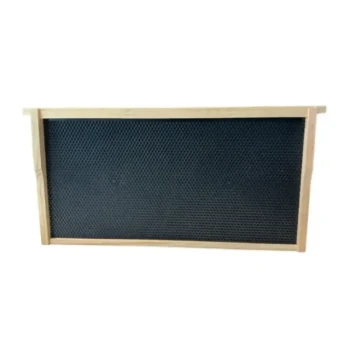
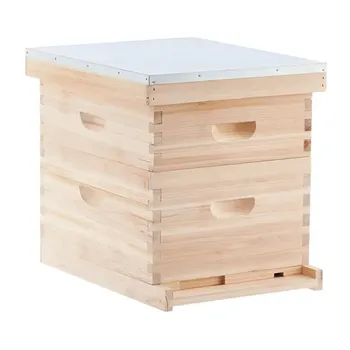
Standardized beehives feature a modular design with interchangeable components, which is a core requirement for professional apiary management. This interchangeability simplifies honey extraction and allows for rapid repairs without disrupting the colony. For B2B resellers, this modularity translates to simplified inventory management and faster order fulfillment.
Optimized Internal Microenvironments
High-quality standardized hives are engineered with superior ventilation and thermal insulation. These features protect the colony from external stressors and climate instability, ensuring the bees remain active and healthy. A stable internal environment is fundamental for maintaining the population strength required for rigorous pollination schedules.
Health Monitoring and Pest Control
The uniform structure of these hives facilitates easy access for pest and disease inspections. Managed beehives allow for the early detection of threats, which is critical for protecting the grower’s investment. Standardized hardware supports the systematic application of treatments, ensuring the long-term viability of the pollination force.
Understanding the Trade-offs and Risks
Balancing Material Quality with Cost
While lower-cost materials may appeal to budget-conscious buyers, they often lack the thermal insulation and durability required for industrial use. Substandard hives can lead to colony collapse during extreme weather, resulting in a total loss of pollination services. Distributors must balance price points with the technical performance needed to support healthy bee populations.
Dependency on Managed Systems
Relying heavily on standardized beehives creates a system dependency where the health of the bee colony becomes a single point of failure for the crop. If the hives are not professionally managed and maintained, the resulting pollination gap cannot be easily filled by wild insects. This risk underscores the need for high-quality hardware and deep industry expertise in apiary management.
How to Strategically Source Beehives for Your Portfolio
To provide the highest value to your agricultural clients, consider these strategic sourcing priorities based on their specific operational goals:
- If your primary focus is rapid scale-up for seasonal crops: Prioritize suppliers that offer a comprehensive full-spectrum product portfolio with interchangeable parts to ensure immediate compatibility and deployment.
- If your primary focus is maximizing client harvest quality: Invest in high-specification hives with advanced thermal insulation, as these ensure the population density required for 90% pollination rates.
- If your primary focus is supply chain reliability: Partner with providers who demonstrate ultra-fast delivery and rapid response times to meet the strict biological windows of flowering crops.
- If your primary focus is long-term client retention: Leverage deep professional industry expertise to educate clients on the benefits of standardized hardware for pest management and colony stability.
High-performance standardized beehives are more than simple containers; they are the essential technical tools that bridge the gap between biological potential and commercial agricultural success.
Summary Table:
| Key Feature | Impact on Crop Production | Advantage for Distributors & Wholesalers |
|---|---|---|
| Modular Design | Simplifies maintenance and colony management. | Streamlined inventory and easier order fulfillment. |
| High-Density Output | Ensures 80-90% pollination rates for uniform fruit. | High-demand infrastructure for industrial farming. |
| Thermal Insulation | Protects colony health during climate instability. | Higher product value and reduced risk of colony loss. |
| Standardized Specs | Enables efficient swarm capture and scalability. | Universal compatibility across full-spectrum equipment. |
Scale Your Agricultural Supply with HONESTBEE
As a global leader in one-stop sourcing, HONESTBEE empowers commercial apiaries and B2B distributors with a comprehensive, full-spectrum product portfolio. From high-performance standardized beehives and hive-making machinery to advanced honey-filling lines and essential consumables, we provide the hardware necessary to drive industrial-scale pollination and honey production.
Partner with HONESTBEE to benefit from:
- Unmatched Portfolio: Access everything from specialized machinery to honey-themed merchandise.
- Reliable Fulfillment: Ultra-fast delivery and rapid response times to meet seasonal agricultural windows.
- Professional Expertise: Leverage our deep industry knowledge to optimize your supply chain and profit margins.
- Quality Assurance: Durable, OEM/ODM-supported equipment designed for professional-grade performance.
Ready to enhance your inventory with premium beekeeping solutions? Contact us today to discuss wholesale opportunities!
References
- Pratap A. Divekar, Ravindr Kumar. Bee pollination in vegetables: current status, challenges and prospects. DOI: 10.48130/cas-0024-0015
This article is also based on technical information from HonestBee Knowledge Base .
Related Products
- Professional Insulated Plastic Bee Hives
- Wholesales Dadant Size Wooden Bee Hives for Beekeeping
- Plastic Bee Hive Stand for Beekeeping
- Metal Hive Feet Bee Hive Stand for Ant Protection
- Professional Large-Format Hive Number Set for Beekeeping
People Also Ask
- What are the advantages of plastic bee hives? Boost Efficiency & Durability for Your Apiary
- Are plastic bee hives any good? Unlock Durability & Efficiency for Your Apiary
- How do plastic bee hives compare to wooden hives in handling? Reduce Strain & Boost Efficiency
- Are plastic bee hives good? Durable, Low-Maintenance Hives for Modern Apiaries
- What are the disadvantages of plastic beehives? Key Operational and Environmental Risks Exposed