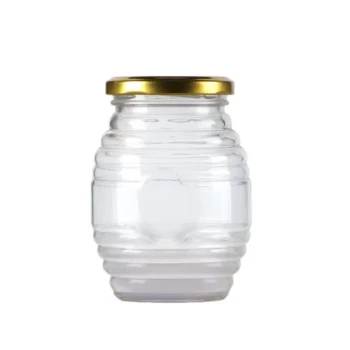
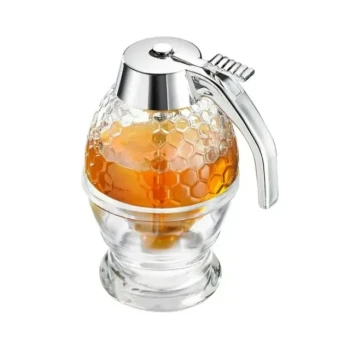
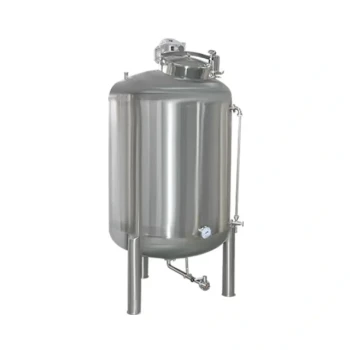
High-specification honey buckets serve as the critical first line of defense for product integrity. Far more than simple storage vessels, their primary technical function is to provide a hermetic seal that blocks moisture and contaminants immediately after harvest. This ensures the honey’s chemical composition remains stable during the vulnerable transition from the collection site to the processing facility.
Core Insight: Honey is naturally hygroscopic, meaning it actively attracts moisture from the air. The defining value of high-specification containers is their ability to hermetically isolate raw honey from environmental humidity and odors, thereby preventing fermentation and ensuring the product meets strict organic and export standards.
Preserving Chemical and Physical Integrity
Combating Hygroscopy and Fermentation
The most immediate threat to raw honey is its hygroscopic nature—its tendency to absorb moisture from the surrounding environment. High-specification buckets utilize superior sealing technologies to create an airtight barrier. This prevents the water content in the honey from rising, which is the primary cause of fermentation and spoilage.
Barrier Against Contamination
In complex outdoor harvesting environments, raw honey is exposed to dust, forest debris, and potential microbial pathogens. Industrial-grade, sealed containers provide a corrosion-resistant environment that physically isolates the honey. This protection is far superior to traditional methods, such as animal skin bags or clay pots, which are porous and prone to harboring bacteria.
Retention of Volatile Aromatics
Honey quality is often defined by its unique flavor profile, which is derived from volatile aromatic compounds. Airtight containers prevent these delicate compounds from dissipating into the air. Simultaneously, they prevent the honey from absorbing external odors, ensuring the sample accurately reflects the original botanical source.
Operational Efficiency and Standardization
Streamlining Logistics and Weighing
Standardized containers transform honey collection from a chaotic manual process into a structured logistical operation. Because these buckets have uniform dimensions and tare weights, they facilitate rapid weighing and measurement at collection centers. This uniformity creates consistent logistics units, improving efficiency during transport and stacking.
Facilitating Initial Grading
High-specification buckets allow for immediate quality screening right at the source. Producers can categorize honey directly in the buckets based on visual color and viscosity. This preliminary grading streamlines the workflow for subsequent large-scale blending or retail packaging.
Meeting Certification Standards
Using food-grade plastic or metal containers is often a non-negotiable requirement for organic certification and export quality compliance. These materials are chemically stable and easy to sanitize, unlike traditional containers which are difficult to clean and pose a risk of cross-contamination.
Common Pitfalls to Avoid
The Risk of Chemical Instability
Not all plastic or metal containers are suitable for honey; utilizing non-food-grade materials can lead to chemical leaching. High-specification buckets are specifically engineered to be chemically inert, ensuring that no foreign substances migrate into the honey, which would compromise purity and safety.
Underestimating the Seal Quality
A bucket may appear robust but fail to provide a true hermetic seal. If the container allows for even minimal air exchange, moisture ingress will occur over time. This can lead to localized fermentation within the container, spoiling an entire batch despite the appearance of secure storage.
Making the Right Choice for Your Goal
To maximize the value of your collection process, select containers based on your specific operational end-goals:
- If your primary focus is Long-Term Storage or Export: Prioritize containers with certified airtight seals and chemical stability to prevent fermentation and meet international organic standards.
- If your primary focus is Processing Efficiency: Prioritize standardized, uniform containers to accelerate weighing, grading, and stacking logistics at the collection center.
Invest in the container not just as a carrier, but as a preservation system that dictates the final market value of your honey.
Summary Table:
| Feature | High-Specification Buckets | Traditional/Low-Grade Containers |
|---|---|---|
| Seal Type | Hermetic/Airtight Seal | Loose or Porous Seal |
| Moisture Control | Prevents hygroscopic absorption | High risk of moisture ingress |
| Chemical Safety | Food-grade, chemically inert | Potential for chemical leaching |
| Durability | High impact & corrosion resistance | Prone to cracks or contamination |
| Logistics | Standardized dimensions for stacking | Irregular shapes; difficult to transport |
| Compliance | Meets organic & export standards | Often fails certification audits |
Maximize Your Apiary's Potential with HONESTBEE
At HONESTBEE, we understand that the right equipment is the foundation of a successful honey business. We cater specifically to commercial apiaries and distributors, providing a comprehensive wholesale range that includes everything from high-specification storage solutions and hive-making machinery to advanced honey-filling systems.
Whether you are scaling your collection process or looking to supply the industry with premium consumables and honey-themed cultural merchandise, we are your strategic partner. Our tools are engineered to preserve the chemical integrity of your honey and streamline your logistics from hive to market.
Ready to upgrade your professional beekeeping operation? Contact our expert team today to discuss our wholesale offerings!
References
- Nicholaus Bhikolimana Tutuba, Jasinta Msamula. Governance of the Business Ecosystems to Commercialize Beekeeping Activities in Emerging Markets. DOI: 10.33423/jsis.v15i5.3590
This article is also based on technical information from HonestBee Knowledge Base .
Related Products
- Food Grade Plastic Honey Bucket Pail for Beekeeping
- Premium Stainless Steel Honey Tank Bucket Pail with Reinforced Handle and Polished Finish
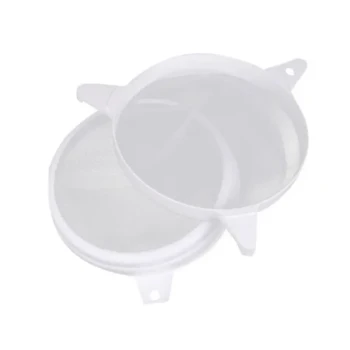
- Two-Stage Plastic Honey Filter for Buckets
- Plastic Honey Gate Spout with Wing Nut for Beekeeping Honey Bucket
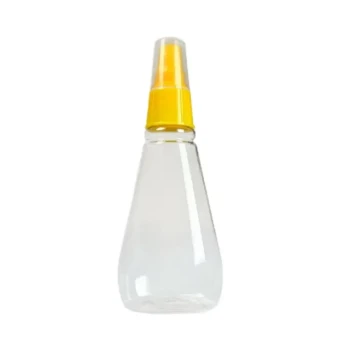
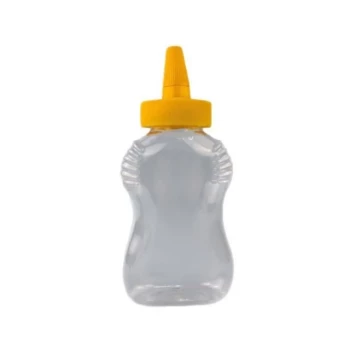
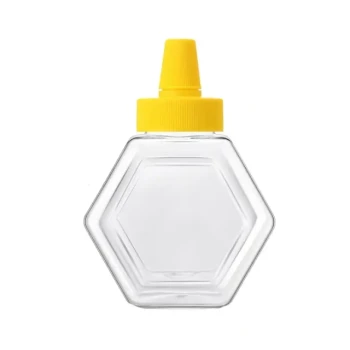
- Premium PET Squeeze Honey Bottle with Ergonomic Grip and Rotary Dispenser
People Also Ask
- What key operational precautions should be taken when using honey buckets and extractors fitted with bottom drain taps?
- What functions do food-grade honey buckets perform? Safeguard Your Harvest and Optimize Apiary Logistics
- Why are food-grade plastic buckets preferred for honey? Protect Quality with Modern Honey Collection Tools
- What is the significance of food-grade plastic honey collection buckets? Boost Quality in Forest Honey Logistics
- What is a honey pail? The Essential Container for Protecting Your Honey's Value