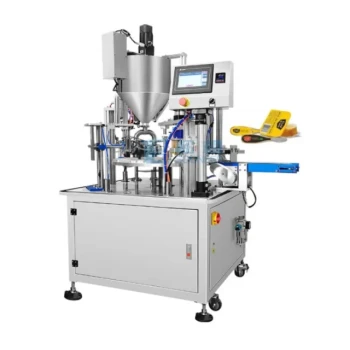
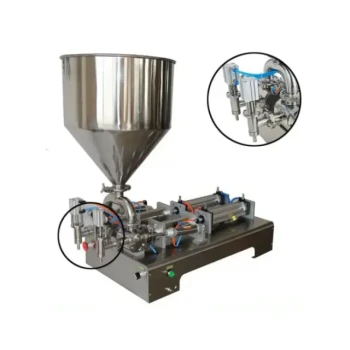
Specialized honey-filling machines are the critical gatekeepers of biological potency in commercial apiculture. They utilize high-precision volumetric dispensing to package honey while strictly minimizing exposure to ambient air, a process essential for preserving the sensitive antioxidant profiles and phenolic compounds found in premium varieties like oak honey.
By automating precision and hygiene, specialized filling technology ensures the stability of oak honey’s antimicrobial properties. While manual packaging risks oxidation and contamination, these systems allow apiaries to meet the rigorous standards required for medicinal and organic-grade certification.
Preserving Bioactivity Through Precision Engineering
For commercial apiaries producing oak honey, the goal is not just packaging a sweetener, but preserving a biologically active substance. The transition from bulk storage to retail jars is where quality is most often lost.
Minimizing Oxidative Stress
Oak honey is prized for its high antioxidant levels and sensitive phenolic compounds. Specialized machines are designed to drastically reduce the honey's contact with ambient air during dispensing.
This containment is vital because exposure to oxygen degrades these specific compounds. By preventing oxidation, the machinery ensures that the honey's intrinsic medicinal qualities remain active in the final product.
Ensuring Aseptic Integrity
Industrial-grade machines often utilize vacuum suction and aseptic packaging technologies. This eliminates the risk of secondary contamination that is inherent in manual handling.
By removing human contact from the filling stage, the system protects the antimicrobial activity of the honey. This is a requirement for meeting strict food safety standards and organic certifications.
Stabilizing Chemical Indicators
Precision pumping systems control the flow of honey without subjecting it to unnecessary agitation or heat friction.
This gentle handling ensures that critical chemical indicators, such as Hydroxymethylfurfural (HMF) levels, remain stable. Low HMF levels are a key marker of freshness and quality in premium honey markets.
Understanding the Trade-offs
While automated filling is superior for quality control, it introduces new complexities to the apiary workflow. Beekeepers must weigh these factors against the benefits of biological preservation.
Complexity of Calibration
High-precision weighing sensors and volumetric controls require regular, expert calibration. If the equipment drifts out of spec, it can lead to volume inconsistencies that violate labeling laws.
Maintenance Overhead
Unlike manual gravity-filling methods, these machines rely on complex pumping and vacuum systems. They require rigorous cleaning schedules to prevent the machinery itself from becoming a source of cross-contamination between batches.
Making the Right Choice for Your Goal
The value of a specialized filling machine depends on the specific market tier you are targeting with your oak honey.
- If your primary focus is Medicinal-Grade Quality: Prioritize machines with vacuum suction and minimized air exposure to protect phenolic compounds and antioxidant levels.
- If your primary focus is Organic Certification: Ensure the machine features aseptic filling capabilities to strictly prevent secondary contamination and meet organic processing standards.
- If your primary focus is Large-Scale Distribution: Focus on high-precision weighing sensors to maximize packaging efficiency and reduce product waste or overflow.
By aligning your processing technology with the biological needs of oak honey, you transform a raw agricultural product into a high-value functional food.
Summary Table:
| Feature | Impact on Oak Honey Quality | Commercial Benefit |
|---|---|---|
| Volumetric Dispensing | Minimizes air exposure and oxidation | Preserves sensitive phenolic compounds |
| Aseptic Technology | Eliminates secondary contamination | Ensures medicinal & organic certification |
| Precision Pumping | Reduces agitation and heat friction | Maintains low HMF levels for freshness |
| Vacuum Suction | Protects biological potency | Increases market value as functional food |
Elevate Your Apiary's Standards with HONESTBEE
At HONESTBEE, we understand that premium oak honey requires more than just standard packaging—it requires the preservation of nature's biological potency. As a dedicated partner to commercial apiaries and distributors, we provide a comprehensive wholesale range of high-precision honey-filling machines, specialized hive-making hardware, and industrial-grade beekeeping equipment.
Whether you are aiming for medicinal-grade quality or scaling up for global distribution, our solutions ensure your product maintains its integrity from hive to jar. Contact us today to discover how our specialized machinery and industry consumables can optimize your production and safeguard your honey's value.
References
- Asli Özkırım, Kadriye Sorkun. Antimicrobial activitiy of oak honey (Quercus spp.) on the biofilm microorganisms. DOI: 10.20289/zfdergi.669743
This article is also based on technical information from HonestBee Knowledge Base .
Related Products
- Precision Durable Efficient HONESTBEE Rotary Honey Filling Machine
- Economy Small Honey Filling Machine Honey Bottle Filler Packaging Machine
- Fully Automatic Honey Filling Packaging Machine for Processing Line
- Commercial Rotary Honey Filling Machine for Production
- Semi Automatic Small Honey Bottle Filling Machine Honey Filler
People Also Ask
- What are the common types of bottling machines used for honey? Choosing the Right Solution for Your Apiary
- How do honey filling machines work? Achieve Precision & Speed for Your Apiary
- What quality control role does professional honey filling equipment perform? Ensure Consistency and Product Stability
- What is a key feature of the new generation of the honey filling machine? The Advanced Electronic Control Unit
- How do honey filling and processing machines aid native bee product conservation? Boost Value with HONESTBEE Technology