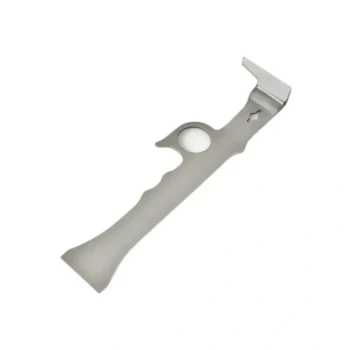
Standardized hive-making equipment establishes the structural foundation for professional Meliponiculture. It ensures uniform hive specifications and precise physical interfaces, creating a stable and predictable environment for stingless bees. This consistency is critical for facilitating daily colony management, reducing inter-colony aggression caused by drifting bees, and preventing colony loss.
By replacing irregular nesting sites with precision-engineered habitats, standardized equipment transforms stingless beekeeping from a traditional foraging activity into a scalable, intensive industry. It maximizes operational efficiency while providing the colony with a secure, defensible, and biologically appropriate microclimate.
The Impact on Colony Behavior and Health
Reducing Aggression and Drift
One of the most significant biological benefits of standardized equipment is the reduction of inter-colony aggression. In irregular setups, returning foragers often drift into the wrong hives, triggering fatal conflicts.
Precise structural design and uniform spacing help bees orient themselves accurately. This reduces the likelihood of bees entering foreign hives, thereby preserving colony numbers and energy.
Simulating Natural Microclimates
Standardized bee boxes are designed to replicate the protective environment of natural tree hollows. This robust structure shields the colony from extreme weather fluctuations and external predators.
By stabilizing the physical space, the hive maintains a consistent internal temperature and humidity level. This allows the colony to focus energy on brood rearing and resource collection rather than climate control or defense repair.
Preventing Absconding
Bee absconding—where a colony abandons the hive—is a major risk in stingless beekeeping. Industrial-grade manufacturing ensures precise physical connections between hive components.
Eliminating gaps and structural instability minimizes the risk of the colony feeling insecure. When the nesting environment is physically reliable, the colony is significantly more likely to remain and thrive.
Operational Efficiency and Scalability
Facilitating Non-Destructive Harvesting
Standardized internal structures allow for the clear separation of storage areas. Beekeepers can harvest honey and propolis without disturbing the brood or the core nest structure.
This design enables the collection of high-quality geopropolis and clean honey. It eliminates the contamination and colony stress associated with traditional, destructive harvesting methods.
Streamlining Colony Multiplication
Standardization is essential for the repeatability of the eduction process (artificial colony splitting). When hive components are uniform, connecting eduction devices or splitting colonies becomes a rapid, plug-and-play operation.
This allows beekeepers to deploy expansion strategies across large-scale apiaries quickly. It shifts the focus from crafting individual solutions for every log to managing a uniform system.
Simplifying Routine Inspections
Uniform specifications allow for easier monitoring of colony vitality and pest infestation. Beekeepers can open specific sections of the hive to check on health without dismantling the entire nest.
This accessibility makes professional management feasible. It allows for early detection of issues that would remain hidden in irregular wild nests until it was too late.
Understanding the Trade-offs
The Requirement for Precision
The benefits of standardization rely entirely on the quality of the manufacturing equipment. If the "standard" is flawed, the error is replicated across the entire apiary.
Poorly machined interfaces that do not fit perfectly will negate the benefits of predator protection and microclimate control. Therefore, the shift to standardized hives requires an upfront commitment to industrial-grade or highly precise manufacturing tools.
Making the Right Choice for Your Goal
To maximize the benefits of standardized equipment, align your hive choice with your specific operational objectives:
- If your primary focus is Commercial Scaling: Prioritize equipment that ensures the repeatability of the eduction process, allowing for rapid deployment of new colonies across the apiary.
- If your primary focus is Product Quality: Select hive designs that structurally separate honey and resin storage areas from the brood, ensuring clean extraction without contamination.
- If your primary focus is Colony Survival: Ensure the equipment offers precise physical interfaces and robust walls to simulate tree hollows and prevent predator intrusion or absconding.
Standardization is not just about convenience; it is the mechanism that stabilizes the variable factors of nature, allowing for sustainable and efficient beekeeping.
Summary Table:
| Feature | Biological/Operational Benefit | Impact on Meliponiculture |
|---|---|---|
| Uniform Specifications | Reduces Forager Drifting | Lowers inter-colony aggression and worker loss. |
| Precise Interfaces | Secure Microclimate | Prevents absconding by simulating stable natural hollows. |
| Structural Separation | Non-Destructive Harvesting | Allows clean honey/propolis collection without brood stress. |
| Modular Design | Rapid Colony Splitting | Streamlines the eduction process for commercial scaling. |
| Industrial Precision | Predator Protection | Eliminates gaps to shield colonies from external threats. |
Transform Your Stingless Bee Operation with HONESTBEE
Transitioning from traditional logs to professional Meliponiculture requires precision. HONESTBEE empowers commercial apiaries and global distributors with the industrial-grade tools needed to standardize production.
From precision hive-making machinery that ensures perfect interfaces to honey-filling equipment and specialized beekeeping tools, we provide the full hardware spectrum to maximize your colony survival and honey quality.
Ready to scale your apiary with professional-grade equipment?
Contact HONESTBEE Today to explore our wholesale solutions and elevate your beekeeping efficiency.
References
- Nor Akaliah Shaharudin, Mustafa Man. On the Use of Multi-criteria Decision Making Model for Selecting the Important Criteria in Meliponiculture. DOI: 10.13189/ujar.2023.110211
This article is also based on technical information from HonestBee Knowledge Base .
Related Products
- High-Efficiency Pneumatic Bee Hive Making Machine for Rapid Box Assembly
- Stainless Steel J Hook Hive Tool for Beekeeping
- HONESTBEE Advanced Ergonomic Stainless Steel Hive Tool for Beekeeping
- Professional Multi-Function Stainless Steel Hive Tool
- Professional Stainless Steel Pry-Bar Hive Tool
People Also Ask
- How does the introduction of professional beehive-making machinery benefit sustainable beekeeping? Scale Your Apiary
- Why is specialized beehive-making machinery critical for low-defense breeding? Enhance Selection with Precision Tools
- How does the introduction of specialized beehive making machinery contribute to increasing the scale of regional beekeeping industries?
- What is the importance of specialized beehive making machinery in a circular bio-economy? Build Local Sustainability
- Why is specialized beehive-making machinery essential? Scale Your Apiary with Precision Industrial Standards