The use of specialized sampling bottles and paper bags is critical for maintaining data integrity by isolating samples to prevent cross-contamination and managing moisture to preserve biological markers. Individual sampling bottles ensure that pollen from specific hives or bees remains distinct, while paper bags allow for essential airflow that prevents mold and protects DNA stability during storage.
Core Takeaway Accurate pollen analysis relies as much on the collection method as the analysis itself. Using distinct containment for collection and breathable materials for storage is the only way to ensure the sample retains its structural and genetic identity without degradation.
Maintaining Purity During Collection
The Role of Individual Sampling Bottles
Individual plastic sampling bottles are designed to capture returning bees one at a time. This granular approach is superior to bulk collection when specific data attribution is required.
By isolating the bee immediately upon its return, you ensure that the pollen load it carries is not mixed with loads from other foragers.
Preventing Cross-Contamination
The primary value of these bottles is the prevention of cross-contamination. Without individual isolation, pollen from different hives or individual bees would commingle, making it impossible to trace specific foraging patterns or genetic sources.
However, the bottle design alone is insufficient. The primary reference notes that this hardware must be combined with thoroughly cleaned equipment to ensure that residue from previous collections does not taint the current sample.
Preserving Integrity During Storage
The Mechanism of Paper Sampling Bags
Once the sample is collected, immediate transfer to paper sampling bags is standard procedure. Unlike plastic or glass, paper is porous.
This porosity allows for natural air drying at room temperature. This passive drying process is gentle and does not require heat, which could damage sensitive biological components.
Preventing Biological Degradation
The most immediate threat to a fresh pollen sample is moisture. If stored in a sealed, non-breathable container, the natural moisture in pollen promotes rapid mold growth.
Mold not only destroys the physical sample but also compromises chemical analysis. Paper bags wick moisture away, creating an environment where mold cannot thrive.
Protecting DNA and Structure
For advanced scientific applications, preservation goes beyond preventing rot. The drying environment provided by paper bags helps maintain the structural integrity of the pollen grains.
Crucially, this method preserves DNA stability. If the goal of the collection is genetic analysis, preventing moisture-induced degradation is a non-negotiable requirement.
Understanding the Trade-offs
The Risk of Improper Material Selection
There is often a temptation to use plastic bags for storage due to their durability. This is a critical error.
While plastic bottles are excellent for the short-term capture of live bees (due to durability and visibility), they are detrimental for storage. Storing pollen in plastic traps moisture, guaranteeing sample degradation.
Hardware Maintenance
Anti-cross-contamination designs in bottles are rendered useless if the "clean chain" is broken.
Even the most sophisticated collection drawer or bottle becomes a vector for contamination if it is not sanitized between uses. Reliance on hardware design without adherence to strict cleaning protocols will result in flawed data.
Making the Right Choice for Your Goal
To maximize the value of your pollen collection efforts, align your equipment with your analytical objectives:
- If your primary focus is genetic analysis: Prioritize the use of paper bags to ensure rapid moisture loss, protecting DNA stability from enzymatic or fungal degradation.
- If your primary focus is tracking specific foraging behaviors: Rely on individual sampling bottles to isolate returning bees, ensuring that data points are not muddied by cross-hive contamination.
Success in pollen research is defined by how effectively you isolate the sample in the field and how dry you keep it in the lab.
Summary Table:
| Equipment Type | Key Function | Primary Benefit |
|---|---|---|
| Individual Bottles | Isolation of foragers | Prevents cross-contamination between hives/bees |
| Paper Sampling Bags | Moisture management | Facilitates airflow to prevent mold and rot |
| Breathable Porosity | Passive air drying | Preserves structural integrity and DNA stability |
| Sanitized Hardware | Clean chain maintenance | Ensures zero residue transfer between collections |
Professional Pollen Collection Solutions for Commercial Apiaries
Ensure the highest data integrity and sample purity with HONESTBEE’s specialized beekeeping equipment. As a leading global supplier for commercial apiaries and distributors, we provide everything from advanced hive-making and honey-filling machinery to precision collection tools.
Our comprehensive wholesale range is designed to help you maintain a clean chain of production and research. Whether you are conducting genetic analysis or scaling your commercial honey operations, our hardware delivers the reliability you need.
Ready to upgrade your apiary’s efficiency and sample accuracy?
Contact HONESTBEE today to discuss our full spectrum of tools and machinery!
References
- Anna Bontšutšnaja, Guy Smagghe. Bumble Bee Foraged Pollen Analyses in Spring Time in Southern Estonia Shows Abundant Food Sources. DOI: 10.3390/insects12100922
This article is also based on technical information from HonestBee Knowledge Base .
Related Products
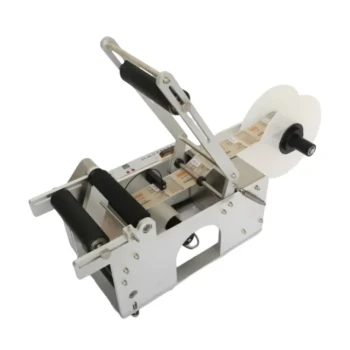
- Semi Automatic Round Bottle Labeling Machine
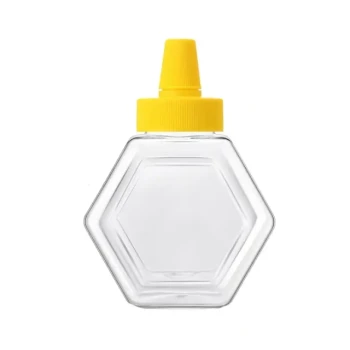
- Hexagonal Squeeze Honey Bottle with No Drip Lid
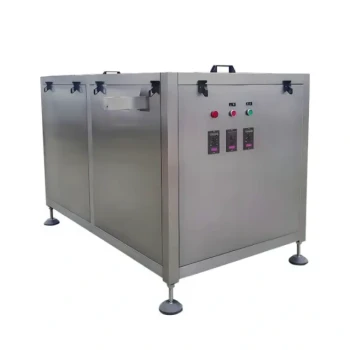
- Fully Automatic High Speed Centrifugal Bottle Unscrambler
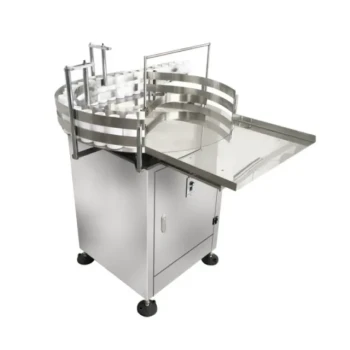
- Automated Rotary Bottle Unscrambler for Honey Production Line
People Also Ask
- What type of machine is recommended for smaller businesses? The Smart Choice for Growing Operations
- What are the key components of an automatic labeling machine? Unlock High-Speed, Precision Labeling
- How does an automatic labeling machine reduce labor costs? Slash Overhead & Boost Productivity
- What are the efficiency benefits of an automatic labeling machine? Boost Speed, Accuracy & Consistency
- How does an automatic labeling machine operate? Achieve High-Speed, Precise Product Labeling