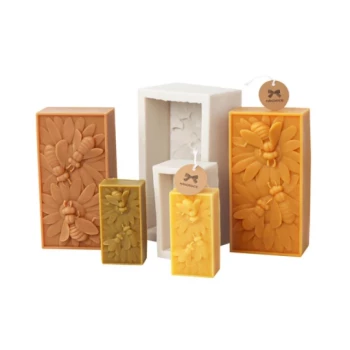
The specific melting point of beeswax is approximately 144°F (62°C). While natural variances can expand this transition range slightly to between 143°F and 151°F, 144°F is the standard benchmark for rendering operations.
Core Insight: While knowing the melting point is necessary, controlling the maximum temperature is vital. To preserve the quality of the wax, you must reach 144°F using gentle, indirect heat without ever exceeding 170°F.
Managing Temperature for Quality Extraction
The Target Temperature
To effectively render honeycomb, your goal is to bring the beeswax to 144°F.
At this temperature, the wax transitions from a solid to a liquid state, allowing for easy straining and separation from debris.
The Role of Indirect Heat
Because the target temperature is relatively low, you should never expose beeswax to direct flame or high heat elements.
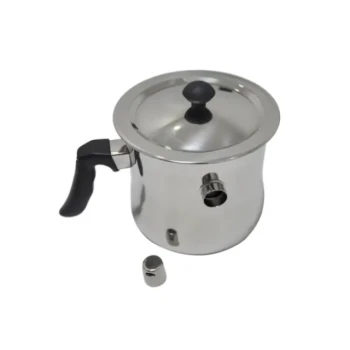
According to standard rendering procedures, you should use a double boiler system. Bring the water in the lower pan to a light simmer (typically a medium heat setting) to gently raise the wax to its melting point.
Preserving Chemical Integrity
Once the wax is liquid, strict temperature monitoring is required to maintain its value.
You must ensure the wax temperature does not exceed 170°F (77°C).
Heating beeswax above this threshold degrades the material, causing it to discolor and lose its characteristic, sweet aroma.
Understanding the Safety Trade-offs
The Flash Point Danger
While beeswax is generally safe to handle, it becomes a serious fire hazard if neglected.
Beeswax has a flash point of approximately 400°F (204°C).
If the wax reaches this temperature, it will spontaneously combust and flare up. This is the primary reason why open flames and high, direct heat sources must be avoided during extraction.
Speed vs. Quality
There is often a temptation to increase heat to melt the wax faster.
However, rapid heating increases the risk of "hot spots" within the wax block that can exceed the 170°F quality limit even if the rest of the wax is not yet melted.
Patience and a steady simmer are physically required to maintain a uniform temperature throughout the batch.
Ensuring a Successful Render
If your primary focus is Quality Preservation:
- Use a thermometer to ensure the wax stays between 144°F and 170°F to protect its natural color and scent.
If your primary focus is Safety:
- Utilize a double boiler or water bath to physically prevent the wax from approaching the 400°F flash point.
If your primary focus is Process Efficiency:
- Maintain a consistent light simmer in your water bath to hold the wax steadily at 144°F for smooth filtering.
Treat beeswax as a delicate organic compound, not just a raw material, and your final product will be superior.
Summary Table:
| Temperature Metric | Value (Fahrenheit) | Value (Celsius) | Significance for Extraction |
|---|---|---|---|
| Melting Point | 144°F | 62°C | Target temperature for solid-to-liquid transition. |
| Quality Limit | 170°F | 77°C | Maximum heat before discoloration and aroma loss occur. |
| Flash Point | 400°F | 204°C | Critical safety threshold where spontaneous combustion occurs. |
| Heating Method | Indirect (Water Bath) | Simmering Water | Prevents hot spots and maintains chemical integrity. |
Scale Your Beeswax Production with HONESTBEE
At HONESTBEE, we empower commercial apiaries and distributors with the professional-grade tools needed to master temperature-sensitive processes. Whether you are rendering bulk wax or manufacturing value-added goods, our comprehensive portfolio offers everything from high-precision honey-filling machines to specialized hive-making machinery and industrial-scale beekeeping consumables.
Don't let poor temperature control degrade your harvest. Benefit from our wholesale expertise and ensure your products meet the highest market standards. Contact our specialists today to discover how our equipment and global supply solutions can optimize your operation's efficiency and output.
Related Products
- Beeswax Machine Press Embosser Wax Foundation Mold Printer Bee Hive Equipment Making Sheet
- Beeswax Foundation Sheets Beehive Foundation for Wholesale
- Colorful Silicone Beeswax Foundation Mold Mould for Beekeeping
- Economy Manual Beeswax Embossing Mill Wax Foundation Machine Roller
- Electric Beeswax Flat Sheet Machine with Operating Tray for Wax Processing
People Also Ask
- What equipment is needed to make beeswax foundation? A Guide to DIY Wax Sheet Production
- What miscellaneous equipment is needed for making foundation? A Guide to the Essential Tools
- What miscellaneous equipment is useful when making beeswax foundation? Essential Support Tools for Beekeepers
- What specific equipment is required for making beeswax foundation? Essential Tools for High-Quality Production
- What is the recommended temperature for melting beeswax to make foundation sheets? Master the 70°C-80°C Ideal Range