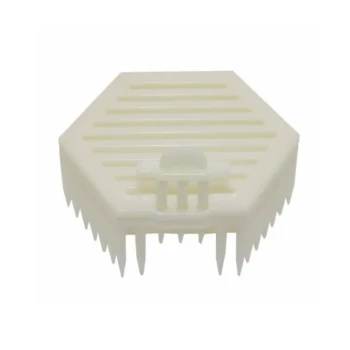
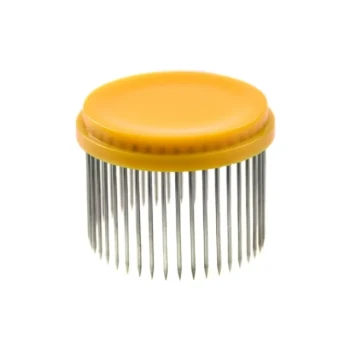
The primary technical purpose of an introduction cage is to serve as a controlled isolation chamber that facilitates the gradual integration of a new queen into a colony’s specific olfactory environment. It acts as an immediate physical shield against worker aggression triggered by foreign scents or the volatile compounds found in marking paint, while simultaneously functioning as a permeable odor buffer.
The introduction cage converts a high-risk, immediate event into a low-risk, gradual process. By physically separating the queen while allowing chemical communication, it ensures the colony accepts her pheromones before direct physical contact is possible.
The Biological Necessity of the Cage
Overcoming Olfactory Rejection
Honey bee colonies rely heavily on chemical signals to distinguish friend from foe. A new queen carries a foreign scent, and if she is marked, the marking paint introduces artificial odors that can incite immediate aggression.
The Physical Barrier Function
The cage provides a rigid mesh enclosure that separates the queen from the colony’s workers. This prevents "balling," a defensive behavior where workers surround and overheat or sting a perceived intruder to death.
Facilitating Pheromone Diffusion
While the mesh blocks lethal contact, it allows air and scent to pass freely. This enables the queen's mandibular pheromones to slowly permeate the hive, gradually overriding the colony's previous scent identity.
The Mechanism of Release
Controlled Interaction
The mesh design allows worker bees to make antennal contact with the queen without being able to harm her. This safe initial contact is crucial for the workers to recognize and accept the new pheromone signature.
The Time-Release Buffer
Most introduction cages utilize a candy plug to automate the release process. Worker bees must eat through this barrier to free the queen, a task that typically takes 1 to 2 days.
Ensuring Genetic Safety
This forced delay guarantees that the queen is not released until the "acclimatization period" is complete. This mechanism is vital for protecting valuable breeding stock and core genetic resources from preventable loss.
Understanding the Trade-offs
The Risk of Premature Release
If the candy plug is too soft or the cage is opened manually too soon, the pheromone integration may be incomplete. This reintroduces the risk of rejection, as the colony has not had sufficient time to adjust to the marking paint odors or the queen's scent.
Dependence on Worker Activity
The release mechanism relies entirely on the workers' desire to consume the candy. In times of heavy nectar flow or stress, workers may ignore the candy, leaving the queen trapped longer than intended, which requires manual intervention.
Making the Right Choice for Your Goal
To ensure the successful introduction of your marked queen, consider the following technical priorities:
- If your primary focus is Maximum Survival Rate: Ensure the candy plug is firm enough to require a full 48 hours for consumption, allowing marking paint odors to fully dissipate.
- If your primary focus is Speed of Egg Laying: Monitor the cage closely; if workers are non-aggressive toward the mesh after 24 hours, you may manually assist the release, though this increases risk.
The introduction cage is not merely a container; it is a vital tool for synchronizing the biological clock of the hive with the chemistry of the new queen.
Summary Table:
| Feature | Technical Purpose | Key Benefit |
|---|---|---|
| Physical Mesh Barrier | Prevents "balling" and worker aggression | Protects the queen from physical harm during initial introduction |
| Pheromone Diffusion | Allows mandibular scents to permeate the hive | Synchronizes the colony's olfactory identity with the new queen |
| Candy Plug Buffer | Provides a timed-release mechanism | Ensures queen release only after a 24-48 hour acclimatization period |
| Marking Isolation | Buffers odors from fresh marking paint | Minimizes rejection triggered by artificial or foreign chemical scents |
Maximize Your Colony’s Success with HONESTBEE
Protect your valuable genetic resources and ensure seamless queen transitions with professional-grade beekeeping equipment. As a dedicated partner to commercial apiaries and global distributors, HONESTBEE provides a comprehensive wholesale range of specialized tools designed for precision beekeeping.
From durable introduction cages and hive-making machinery to advanced honey-filling systems and essential industry consumables, our portfolio supports every stage of your operation. We are committed to helping you minimize risk and maximize honey production through high-quality hardware and honey-themed cultural merchandise.
Ready to scale your apiary or restock your distribution inventory?
Contact HONESTBEE today to discuss our wholesale offerings and how we can add value to your professional beekeeping business.
References
- Slobodan Dolašević, Zoran Stanimirović. A New Technique for Marking Queen Bees (Apis mellifera) for Better Visibility and Easier Spotting. DOI: 10.3390/agriculture15060645
This article is also based on technical information from HonestBee Knowledge Base .
Related Products
- Durable Galvanized Steel Spring Queen Bee Cage
- Professional Queen Bee Introduction and Transport Cage
- Professional Queen Cage with Sliding Gate and Feeder Plug
- Hexagonal Direct Comb Introduction Queen Bee Cage
- Professional Multi-Functional Queen Bee Cage
People Also Ask
- Why are specialized queen bee cages used for the banking of mated queen bees? Maximize Commercial Apiary Storage Efficiency
- What is the mechanism of action for using temporary queen bee cages? Master Successful Queen Introduction
- What is the step-by-step process for installing a queen bee's cage onto a frame? Ensure Hive Acceptance Safely
- What is the optimal placement for a queen bee cage? Essential Strategies for Successful Re-queening
- What are the advantages and disadvantages of introducing a queen bee by embedding the cage? Boost Your Queen Acceptance