The 'uncapping and extracting' method is a standard beekeeping technique used to harvest liquid honey while preserving the structural integrity of the honeycomb. It involves two distinct stages: first, manually removing the protective wax seals (capping) from the honeycomb cells, and second, utilizing a mechanical centrifuge to spin the honey out of the frames.
Core Insight: The primary advantage of this method over crushing or pressing is conservation. By keeping the wax comb intact during extraction, you allow the bees to reuse the structure, saving them the immense energy required to build new wax.
The Mechanics of the Process
Stage 1: Uncapping
When honey is ripe, bees seal the cells with a thin layer of wax known as "capping." Before extraction can occur, this barrier must be removed.
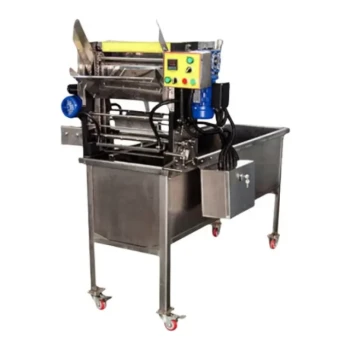
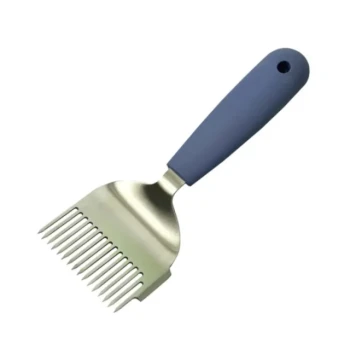
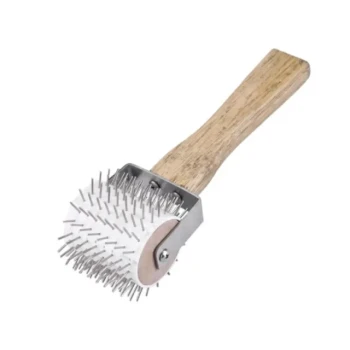
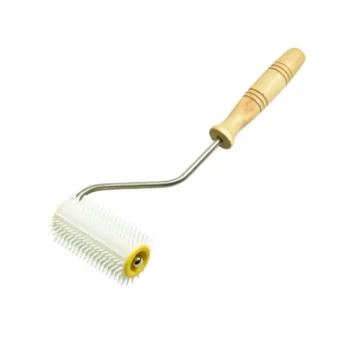
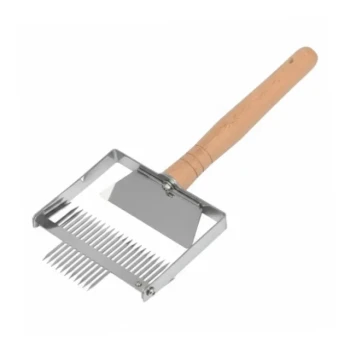
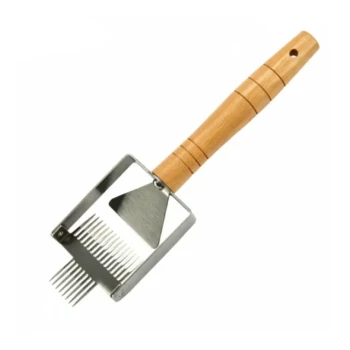
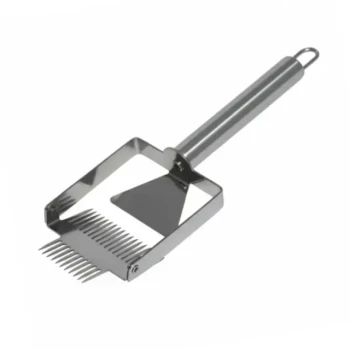
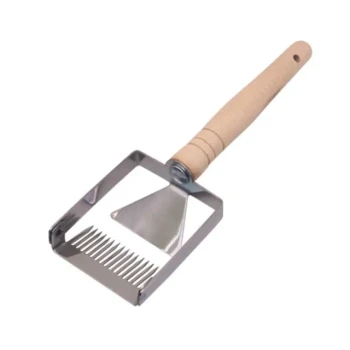
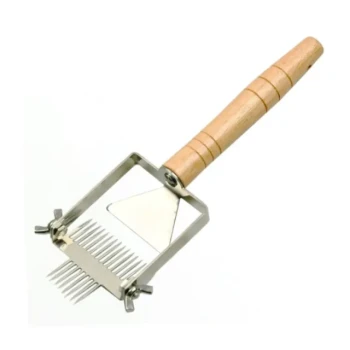
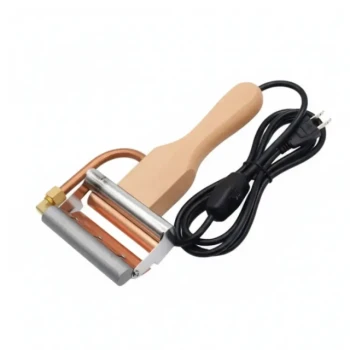
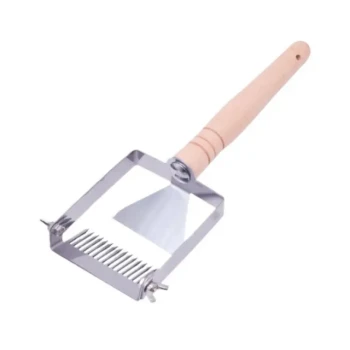
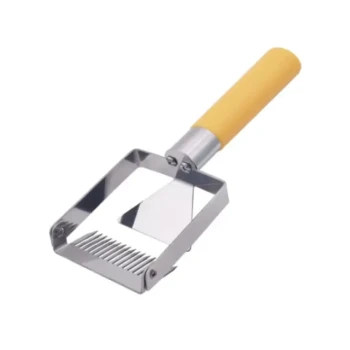
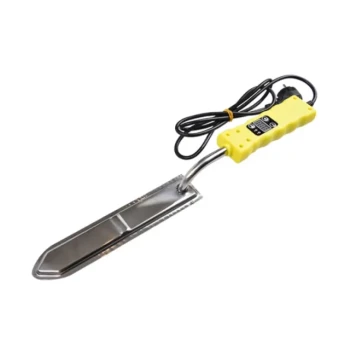
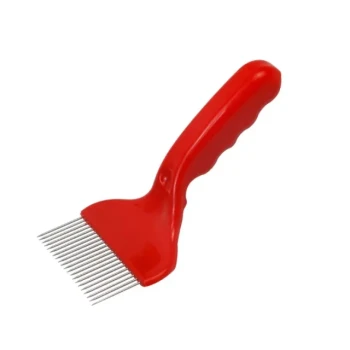
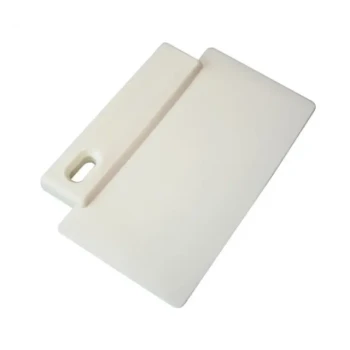
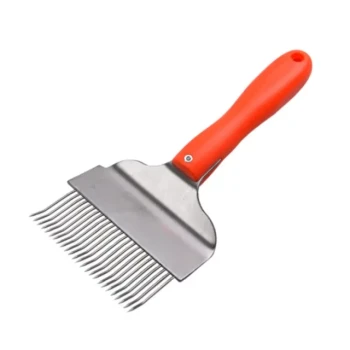
Beekeepers use specialized tools such as a heated knife, an uncapping fork, or an automated machine to slice or lift these wax lids off.
Precision is vital here. The goal is to expose the honey without damaging the cell walls or the edges of the comb, ensuring the frame remains reusable.
Stage 2: Centrifugal Extraction
Once the cells are open, the frames are placed into a honey extractor.
This device acts as a centrifuge, spinning the frames at high speed. The centrifugal force pulls the liquid honey out of the cells and throws it against the wall of the extractor, where it drains to the bottom.
Crucially, the wax foundation and cell walls remain in place, leaving an empty but structurally sound comb ready to be returned to the hive.
Critical Success Factors
Controlling Moisture
Honey is hygroscopic, meaning it absorbs moisture from the air.
You must avoid extracting on rainy or highly humid days. If the honey absorbs too much water, it can ferment and spoil during storage.
Environmental Isolation
The extraction area must be strictly isolated from the outdoors.
The scent of exposed honey is a potent attractant for bees. To work efficiently and safely, ensure the space is "bee-tight" and dry.
Equipment Hygiene
Because this method involves mechanical equipment, strict sanitation is required.
The extractor and tools must be impeccably clean to prevent contamination. Furthermore, all equipment must be completely dry before use to prevent introducing water into the honey.
Common Pitfalls to Avoid
Premature Harvesting
A common mistake is extracting frames before the bees have capped them.
Uncapped honey generally has a higher water content. Harvesting too early can result in honey that lacks the proper viscosity and is prone to spoilage.
Poor Knife Technique
Using a dull or cold knife can tear the comb rather than slicing the caps.
This damage forces bees to rebuild the cell walls rather than just refilling them, negating the primary efficiency benefit of this method.
Making the Right Choice for Your Goal
This method is the industry standard for a reason, but success lies in the details.
- If your primary focus is hive productivity: Prioritize the use of a sharp, specialized uncapping knife to leave the comb edges perfectly intact for immediate reuse by the bees.
- If your primary focus is honey longevity: rigorously monitor the humidity of your workspace and only harvest frames that have been fully capped by the bees.
- If your primary focus is purity: Ensure your extractor is isolated from the apiary to prevent robbing behavior and contamination from debris.
By mastering the mechanical separation of wax and honey, you transform the harvest from a destructive event into a sustainable cycle.
Summary Table:
| Stage | Action | Tools Used | Key Benefit |
|---|---|---|---|
| Uncapping | Removing wax seals from cells | Heated knife, uncapping fork, or machine | Preserves cell wall integrity |
| Extraction | Spinning frames in a centrifuge | Honey extractor | Pulls honey out while keeping comb intact |
| Refining | Collecting & filtering | Strainers & settling tanks | High-purity liquid honey output |
| Reuse | Returning frames to hive | Cleaned honeycomb frames | Saves bees energy on wax production |
Maximize Your Honey Yield with Professional-Grade Equipment
Efficiency in the extraction room translates to higher productivity in the field. HONESTBEE specializes in supporting commercial apiaries and distributors by providing the industry's most reliable beekeeping solutions. From high-capacity honey-filling machines and precision automated uncapping hardware to comprehensive hive-making machinery, we supply the tools you need to scale your operations.
Don't let inefficient harvesting slow your growth. Partner with HONESTBEE for a full spectrum of wholesale equipment and essential industry consumables designed for the modern beekeeping professional.
Contact Us Today to Optimize Your Harvest
Related Products
- Automatic Honey Frame Uncapper Machine for Beekeeping
- Professional Multi-Function Uncapping Fork with Ergonomic Rubber Grip
- Professional Honey Uncapping Roller for Efficient Harvesting
- Electric Heated Honey Uncapping Knife for Beekeeping
- Lightweight Plastic Uncapping Roller with Tines
People Also Ask
- What is the primary goal when choosing an uncapping method? Maximize Honey Yield & Comb Integrity
- What is the process of uncapping frames in beekeeping? Master the Best Methods for Maximum Honey Yield
- How are honey frames prepared before extraction? Master the Hive-to-Honey-House Process
- What is the process of uncapping honey frames before extraction? Expert Guide to Efficient Honey Harvesting
- What specialized tools are used to uncap honey frames prior to extraction? Top Uncapping Tools for Efficient Harvesting