The primary value of using high-capacity industrial scales is the ability to obtain precise, non-invasive data on honeybee food consumption during critical winter months. By periodically weighing the entire hive assembly, researchers can accurately track weight loss, which serves as a direct proxy for the colony's energy usage and metabolic rate. This data is essential for determining the wintering capability of different colonies without disrupting the bees in cold temperatures.
Winter survival rates are directly correlated with food consumption efficiency. By quantifying weight loss via industrial weighing, you can objectively identify and select specific bee strains that demonstrate low feed consumption and superior cold resistance.
The Mechanics of Winter Monitoring
Tracking Energy Consumption
Honeybee colonies survive winter by consuming stored honey to generate heat. The rate at which they consume this food is the most reliable indicator of their energy expenditure.
By weighing the hive periodically, you convert a biological process into a quantifiable metric. A slower rate of weight loss indicates a colony that is managing its energy reserves efficiently.
The Importance of Non-Invasive Measurement
Traditional methods of checking food stores involve opening the hive, which disrupts the thermal cluster and can be fatal in freezing temperatures.
Using high-capacity industrial scales allows you to weigh the entire setup—boxes, frames, bees, and stores—from the outside. This preserves the internal hive climate while delivering accurate data on the colony's status.
Selecting for Superior Genetics
Identifying Efficiency
The ultimate goal of this data collection is genetic selection. You are looking for "thrifty" bees that require less food to maintain warmth.
Colonies that show consistent, low-level weight loss are demonstrating metabolic efficiency. These are the candidates for breeding programs focused on resource conservation.
Breeding for Cold Resistance
High cold resistance is often characterized by the ability to survive long periods of confinement with minimal resource usage.
By correlating survival rates with the weight data collected by industrial scales, you can pinpoint strains that possess both robustness and efficiency. This creates a feedback loop for breeding superior lines adapted to harsh winters.
Technical Considerations and Trade-offs
Balancing Capacity and Precision
The challenge in weighing hives lies in the equipment requirements. A fully stocked winter hive is heavy, requiring a scale with high weight capacity.
However, the daily food consumption of bees is relatively small. Therefore, the industrial scale must possess high precision despite its high capacity. Equipment that measures heavy loads but lacks fine resolution will fail to capture the subtle variances in consumption rates needed for accurate selection.
Making the Right Choice for Your Goal
To effectively utilize this method for your apiary or research project, align your data analysis with your specific breeding objectives.
- If your primary focus is Resource Efficiency: Prioritize colonies that demonstrate the lowest rate of total weight loss over the longest duration of the winter period.
- If your primary focus is Survival Robustness: Select colonies that maintain stable weight loss patterns during the coldest temperature spikes, indicating consistent metabolic control.
Accurate measurement is the foundation of improvement; you cannot breed for traits you cannot measure.
Summary Table:
| Metric Category | Benefit of High-Capacity Industrial Scales | Importance for Wintering Tests |
|---|---|---|
| Data Precision | Captures subtle weight changes in heavy, fully-stocked hives. | Tracks metabolic rate and energy expenditure accurately. |
| Colony Safety | Enables non-invasive weighing without opening the hive. | Prevents thermal cluster disruption and cold-induced mortality. |
| Genetic Selection | Quantifies "thriftiness" through objective weight-loss data. | Identifies strains with superior resource efficiency. |
| Operational Scale | Durable enough for large-scale periodic monitoring. | Standardizes data collection across entire apiaries or research plots. |
Scale Your Apiary’s Success with HONESTBEE
Precise data is the secret to breeding resilient, resource-efficient colonies. HONESTBEE empowers commercial apiaries and distributors with the professional-grade tools needed to optimize hive performance. From high-precision industrial scales to specialized hive-making and honey-filling machinery, we provide the full spectrum of beekeeping hardware and essential consumables to keep your operation thriving.
Ready to enhance your breeding program and operational efficiency? Contact us today to explore our wholesale equipment solutions and see how HONESTBEE can deliver value to your business.
References
- Mustafa Kösoğlu. Honey Bee Breeding and Some Basic Approaches. DOI: 10.52520/masjaps.107
This article is also based on technical information from HonestBee Knowledge Base .
Related Products
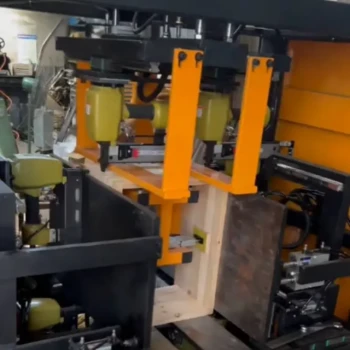
- Automatic High-Speed Bee Hive Box Stapling Machine
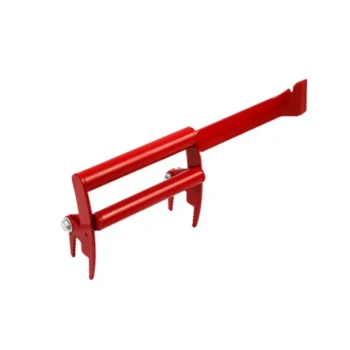
- Heavy-Duty Lever-Action Frame Grip with Hive Tool
- HONESTBEE Classic Pry Bar Hive Tool with High Visibility Finish for Beekeeping
- Professional Large-Format Hive Number Set for Beekeeping
- Professional Grade Foldable Beehive Handles
People Also Ask
- How is the Bee Box machine adjusted for different box sizes? Maximize Your Woodworking Versatility and Precision
- How is the Bee Box machine operated? Optimize Your Commercial Hive Production with Scalable Staffing Solutions
- How was the Bee Box machine designed? Industrial Engineering for High-Volume Beekeeping Production
- What is the production capacity of the Bee Box machine? Boost Output up to 1,000 Boxes Daily
- What are the power requirements and control system for the Bee Box machine? Optimize Your Apiary Equipment Production