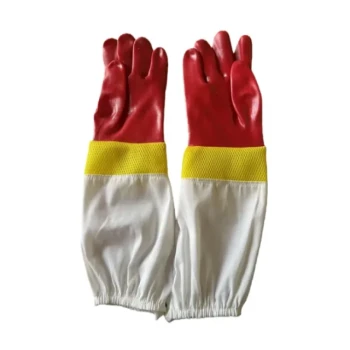
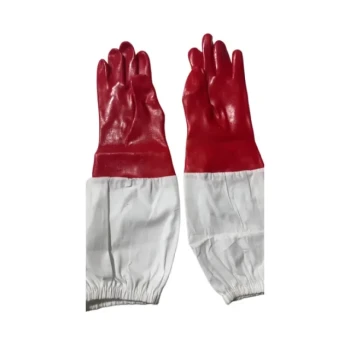
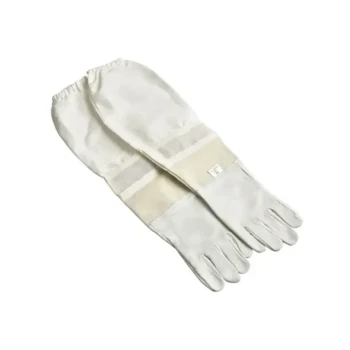
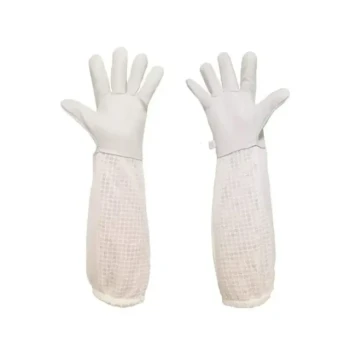
The recommended hand protection for beekeeping varies significantly based on your experience level and comfort with the bees. Beginners typically rely on heavy canvas or leather gloves for maximum sting prevention, while experienced keepers often transition to form-fitting gloves (such as nitrile or household rubber gloves) to prioritize dexterity and cleanliness.
Beekeeping hand protection is a balance between security and sensitivity; while heavy materials provide a shield against stings, they limit the tactile feedback required for delicate hive management.
Selecting the Right Material
Heavy-Duty Options for Beginners
If you are new to beekeeping or feel apprehensive about being stung, canvas or leather gloves are the standard recommendation.
These materials offer a thick barrier that bee stingers generally cannot penetrate.
They provide the psychological security necessary for a novice to approach the hive with confidence.
The Form-Fitting Alternative
For those seeking a middle ground, form-fitting gloves—similar to those used for lab work or household chores—are an excellent alternative.
These gloves offer a significant advantage by keeping your hands free of sticky honey and propolis (bee glue).
While they provide less impact protection than leather, they still reduce the frequency of stings compared to bare hands.
The Experienced Approach
Many veteran beekeepers find heavy gloves too cumbersome for advanced hive manipulation.
As handling skills improve, some professionals prefer to work without gloves entirely to maximize their sense of touch.
However, moving to this stage requires significant experience and a high tolerance for the occasional sting.
Understanding the Trade-offs
Protection vs. Dexterity
The primary trade-off in beekeeping gloves is between safety and clumsiness.
Leather gloves offer superior protection, but their thickness results in a significant loss of dexterity.
This lack of sensitivity can sometimes cause you to accidentally crush bees or mishandle frames, which may actually agitate the colony more.
Cleanliness vs. Exposure
Working with bees involves handling sticky substances like honey and propolis, which can be difficult to remove from skin.
Form-fitting gloves create a sanitary barrier that keeps hands clean without the bulk of leather.
This makes cleanup significantly faster and prevents cross-contamination between equipment.
Making the Right Choice for Your Goal
When selecting your gear, consider your current confidence level and the task at hand:
- If your primary focus is maximum safety: Choose leather or canvas gloves to eliminate the fear of stings while you learn the basics.
- If your primary focus is precision and hygiene: Choose form-fitting nitrile or rubber gloves to maintain dexterity while keeping your hands clean.
- If your primary focus is delicate manipulation: Consider transitioning away from heavy gloves as you gain experience to prevent crushing bees.
Select the protection that allows you to work the hive calmly and effectively, knowing you can always switch to lighter gear as your skills evolve.
Summary Table:
| Glove Material | Protection Level | Dexterity | Best For |
|---|---|---|---|
| Leather/Canvas | High (Sting-proof) | Low | Beginners & Aggressive Hives |
| Nitrile/Rubber | Moderate (Sanitary) | High | Cleanliness & Precise Handling |
| Bare Hands | None | Maximum | Professionals & Calm Colonies |
Elevate Your Beekeeping Operation with HONESTBEE
At HONESTBEE, we understand that commercial apiaries and distributors require more than just protection—they need efficiency. As a leading global supplier, we provide a full spectrum of beekeeping tools, specialized machinery, and essential consumables designed to scale your business.
Whether you are looking to source high-quality protective gear for your retail line or require heavy-duty hive-making and honey-filling machines for industrial production, we offer comprehensive wholesale solutions tailored to your needs. From hardware to honey-themed cultural merchandise, our portfolio covers every facet of the modern bee industry.
Ready to optimize your supply chain? Contact us today to discuss your wholesale requirements and discover how our expertise can drive your success.
Related Products
- Beekeeping Gloves Goatskin Leather with Long Cotton Sleeve for Beekeepers
- Heavy Duty Red Rubber Beekeeping Gloves with Vented Mesh Cotton Sleeves
- Heavy Duty Red Rubber Beekeeping Gloves with Extended Pure Cotton Sleeves for Beekeepers
- Goatskin Leather Beekeeper Gloves with Vent Long Sleeve for Beekeeping Honey Bee Sting Proof Protection
- Premium Ventilated Goatskin Beekeeping Gloves with Full 3-Layer Mesh Sleeve
People Also Ask
- What are the characteristics of the best gloves for beekeeping? Choose Protection & Dexterity
- What are the primary purposes of using beekeeping gloves? Protect Your Hands and Ensure Apiary Hygiene
- What types of gloves are available for beekeeping? Choose the Right Protection for Your Hive
- Why is it important for beekeepers to wear gloves? Essential Safety and Confidence for Hive Management
- Why do some experienced beekeepers opt not to wear gloves? Discover the Benefits of Tactile Precision