Queen excluder maintenance centers on clearing obstructions. The primary task is removing the wax and propolis buildup that bees naturally deposit on the grid over time. If this debris is not regularly cleaned, it clogs the critical gaps, preventing worker bees from passing through to store honey.
The core maintenance requirement is scraping off wax and propolis to prevent the excluder from becoming a barrier to worker bees. Regular inspections are also necessary to identify physical damage that could either block traffic or accidentally allow the queen to pass.
The Primary Maintenance Challenge: Buildup
Why Cleaning is Critical
Bees naturally fill gaps in the hive with wax and propolis.
If these substances accumulate on the excluder, they reduce the size of the openings. This restricts worker bees from moving freely between the brood box and the honey supers.
The Cleaning Process
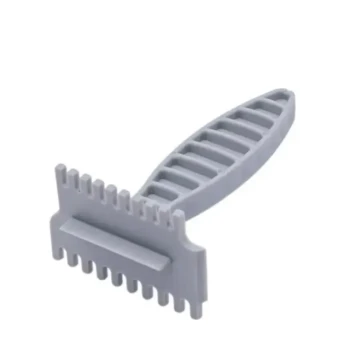
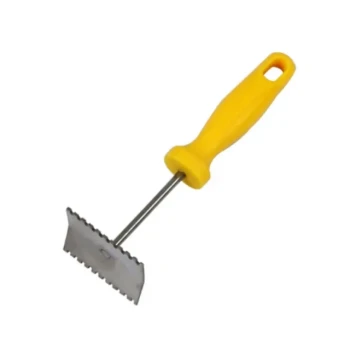
The most common maintenance method involves scraping the excluder.
You must physically remove the accumulated wax and propolis to restore the original grid spacing. This ensures the device functions as a filter for the queen rather than a blockade for the entire colony.
Routine Inspections and Monitoring
Checking for Structural Damage
Beyond cleaning, you must inspect the excluder for physical damage or warping.
A damaged excluder may have gaps that are too wide, allowing the queen to squeeze through and lay eggs in your honey supers. Conversely, bent wires or plastic could pinch or injure worker bees.
Monitoring Bee Throughput
Maintenance also involves observation during hive checks.
Monitor bee activity to ensure they are traversing the excluder efficiently. If you notice a bottleneck or hesitation, it may indicate a blockage or that the bees need time to adjust to the device.
Maintenance Considerations by Material
Metal Excluders
Metal options are generally considered the easiest to clean and maintain.
They are highly durable, do not sag, and feature smooth edges that are simple to scrape down. Their robust construction handles vigorous cleaning better than other materials.
Plastic Excluders
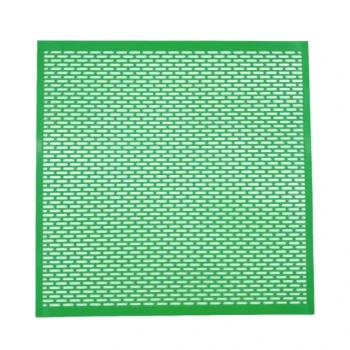
Plastic excluders are affordable and customizable, but require care during maintenance.
You can trim them to fit non-standard hives, but they may be more prone to damage during scraping compared to metal. However, they offer the distinct advantage of providing fewer hiding spots for hive beetles.
Wood-Framed Excluders
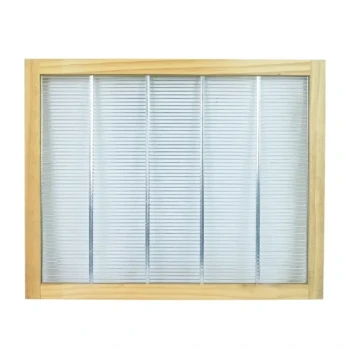
These feature a wire grid set inside a wooden frame.
They are relatively easy to clean and offer a unique maintenance option: the wooden frame can be painted to protect the wood or identify gear.
Common Pitfalls to Avoid
Neglecting Inspection Leads to Failure The most significant error is assuming the excluder is passive equipment that requires no attention. If you fail to inspect for damage, you risk finding brood in your honey supers, complicating extraction.
Over-Cleaning or Aggressive Scraping While metal is durable, aggressive scraping on plastic excluders can distort the mesh. This can ruin the precision required to keep the queen out while letting workers through.
How to Apply This to Your Project
Regular maintenance ensures your honey production remains efficient and your wax stays light-colored. Use the following guide to match your maintenance capacity with the right equipment:
- If your primary focus is durability and ease of cleaning: Choose a metal excluder, as it withstands scraping best and resists sagging.
- If your primary focus is budget and pest management: Opt for a plastic excluder, but clean it gently to avoid warping the precise gaps.
- If your primary focus is aesthetics and rigidity: Select a wood-framed excluder, taking advantage of the paintable frame and solid structure.
Consistent maintenance transforms the queen excluder from a potential bottleneck into a highly effective tool for hive management.
Summary Table:
| Material Type | Maintenance Task | Key Benefit | Care Level |
|---|---|---|---|
| Metal | Heavy scraping of wax/propolis | Extremely durable; resists sagging | Low |
| Plastic | Gentle cleaning & trimming | Pest resistance; budget-friendly | Moderate |
| Wood-Framed | Cleaning & frame painting | High rigidity; customizable aesthetic | Moderate |
Maximize Your Colony's Productivity with HONESTBEE
Proper maintenance is key, but starting with high-quality equipment is even better. At HONESTBEE, we specialize in supporting commercial apiaries and distributors with a comprehensive range of professional beekeeping tools and machinery.
Whether you need durable metal queen excluders, advanced hive-making machines, or honey-filling equipment, our wholesale portfolio is designed to scale your operations. We also provide a wide array of essential consumables and honey-themed cultural merchandise to help your business thrive.
Ready to upgrade your apiary equipment? Contact us today to discuss our wholesale offerings and discover how our expertise can drive your success.
Related Products
- High Performance Plastic Queen Excluder for Beekeeping and Apiary Management
- Professional Plastic Queen Excluder for Modern Beekeeping
- Lightweight Durable Plastic Queen Excluder Scraper for Beekeeping
- Metal Queen Bee Excluder for Beekeeping
- Premium Wood Framed Metal Wire Queen Bee Excluder
People Also Ask
- What are the characteristics of a plastic queen excluder? Key Benefits for Cost-Effective Beekeeping
- What are the operational and cost advantages of using plastic queen excluders over metal or wire excluders in commercial hive management? Discover how they reduce labor, prevent wing damage, and lower total costs.
- What types of queen excluders are available for beekeepers? Choose the Right Tool for Your Hive
- Why are standardized hive frames and queen excluders essential for maintaining honey purity and quality? Scale Your Purity
- Do plastic queen excluders work? A Cost-Effective Solution for Modern Apiaries