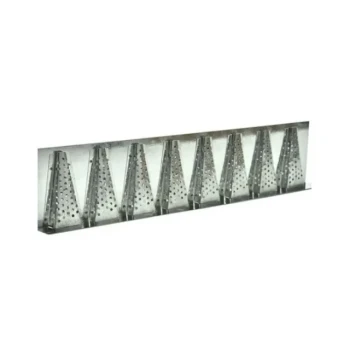
Late-season beekeeping maintenance requires a shift from active colony management to securing hive integrity and rehabilitating equipment. In October, your immediate focus must be installing mouse guards and ensuring proper ventilation to control moisture, while November and December should be dedicated to inspecting, repairing, and building woodenware and tools.
Core Insight: Winter is not a time of inactivity, but a critical period of preparation. The goal of late-season maintenance is not just to survive the winter, but to establish a surplus of ready-to-use equipment that prevents you from being overwhelmed during the rapid expansion of spring.
Phase 1: Securing the Hive (October)
Pests and Entrance Protection
Mouse guards must be installed at hive entrances immediately in October. As temperatures drop, rodents seek warmth and will destroy comb and disturb the cluster if they gain access.
Ventilation and Moisture Control
Moisture is often more deadly to bees than the cold itself. You must ensure the apiary setup includes adequate ventilation to release condensation generated by the bees.
Phase 2: Equipment Rehabilitation (November & December)
Woodenware Inspection
Thoroughly audit all hive bodies, supers, and frames. Look for rot, structural damage, or warping that breaks the "bee space."
Repair or replace damaged woodenware now. This is the ideal time to scrape propolis, repaint boxes, and ensure everything is weather-tight.
Tool Maintenance
Inspect your hive tools and smokers for wear. Remove built-up carbon from smokers to ensure adequate airflow and check that metal tools are free of rust or defects.
Personal Protective Equipment (PPE) Care
Your safety gear requires a specific audit. Wash your bee suit to remove pheromones and dirt, which extends the lifespan of the fabric.
Critically examine your veil and gloves for tears or gaps. The veil must be securely attached with no openings, and gloves must be intact to ensure safety during the first spring inspections.
Forward Planning and Expansion
Building a Surplus
November and December are the optimal months for building and painting new hives. Constructing a surplus of supers now is essential for managing swarms or expanding operations later.
Ordering Spring Stock
Do not wait until spring to order necessary supplies. Use the late season to order package bees and specialized hardware to ensure availability when the season starts.
Common Pitfalls to Avoid
Underestimating Moisture Dangers
Many beekeepers focus solely on insulation and neglect airflow. Failing to balance warmth with ventilation can lead to a damp hive environment, which is frequently fatal to the colony.
Ignoring Minor PPE Damage
It is easy to overlook small tears in a veil or worn spots on gloves during the off-season. However, entering spring with compromised gear risks user safety and can disrupt crucial early-season inspections due to discomfort or stings.
The "Just-in-Time" Trap
Waiting until spring to repair or build equipment is a strategic error. Spring workflow is demanding; if you are building frames while hives are swarming, you have already lost control of your apiary.
Making the Right Choice for Your Goal
To ensure your apiary is prepared for the next season, prioritize your tasks based on your operational needs:
- If your primary focus is Colony Survival: Prioritize the installation of mouse guards and ventilation systems in October to protect the bees from physical and environmental threats.
- If your primary focus is Apiary Expansion: Focus your winter efforts on constructing and painting a surplus of woodenware to accommodate new package bees and spring swarms.
Winterize your hardware now to ensure that when spring arrives, your focus remains on the bees, not on fixing your gear.
Summary Table:
| Maintenance Phase | Timing | Key Tasks & Objectives |
|---|---|---|
| Hive Security | October | Install mouse guards, ensure proper ventilation, and moisture control. |
| Hardware Repair | Nov - Dec | Scrape propolis, repaint boxes, and repair/replace damaged woodenware. |
| Tool & PPE Care | Nov - Dec | Clean smokers, remove rust from tools, and inspect veils/gloves for tears. |
| Strategic Growth | Late Winter | Build surplus supers and frames; pre-order spring stock and consumables. |
Maximize Your Apiary’s Potential with HONESTBEE
Transitioning from the late season to a productive spring requires more than just maintenance—it requires the right infrastructure. At HONESTBEE, we specialize in supporting commercial apiaries and distributors with high-performance beekeeping hardware.
Whether you need to replace your fleet of hive-making and honey-filling machinery, restock on wholesale beekeeping tools, or source durable essential consumables, our comprehensive portfolio is designed to scale your operations. Partner with us to gain access to industrial-grade equipment and specialized hardware that ensures your business stays ahead of the spring rush.
Contact HONESTBEE Today to Secure Your Wholesale Supplies
Related Products
People Also Ask
- What protective functions do beehive entrance guards provide? Defend Your Hive Against Wasps and Moths
- What is the primary function of protective guards at hive entrances? Block Rodents & Boost Winter Survival Rates
- How do conical metal guards or rubber inner tubes function as pest control tools? Stop Ants with Mechanical Barriers
- What is the function of Hive Entrance Guards? Master Bee Colony Defense Against Small Hive Beetles
- How can hardware mesh be applied to a beehive entrance for winter protection? Secure Your Colony Against Pests