Separating honey from fresh beeswax cappings is most effectively achieved through gravity-based filtration using either a perforated double-bucket system or a suspended strainer bag. Both methods rely on placing the wet cappings above a collection vessel and allowing time and ambient warmth to drain the honey naturally.
Core Takeaway The most effective manual methods utilize gravity to drain honey from cappings, requiring an overnight setup in a warm, secure environment to maximize yield without introducing heat that could alter the honey or melt the wax prematurely.
Practical Extraction Methods
To recover the valuable honey adhering to your wax cappings, you generally have two low-tech, high-efficiency options. Both prioritize gravity over mechanical force.
The Double Bucket System
This method provides a stable, enclosed environment for drainage. It requires two buckets, where one fits slightly inside the other.
The inner bucket holds the cappings. It must have holes drilled into the bottom to act as a sieve.
The outer bucket acts as the reservoir. It catches the honey as it drips through the perforated inner bucket, keeping it safe from debris.
The Strainer Bag Technique
This method is often simpler for smaller harvests or those without spare buckets.
Place the wet cappings inside a filter or strainer bag, such as a large mesh bag.
Suspend the bag over a clean bucket. Gravity pulls the honey through the mesh, leaving the dry wax behind.
Optimizing for Success
Regardless of the method chosen, specific environmental conditions are required to ensure the honey flows freely.
The Role of Temperature
Honey viscosity increases as it gets cold. For the honey to drain effectively, the setup must be placed in a warm location.
Warmth keeps the honey fluid, ensuring it drips through the holes or mesh rather than clinging to the wax.
Security and Time
This process is not instantaneous. The setup should be left to drain overnight to ensure complete separation.
The location must be bee-tight. The smell of draining honey will attract bees and other insects, so the area must be sealed to prevent robbing or contamination.
Understanding the Trade-offs
While gravity draining is the industry standard for preserving raw honey quality, it has limitations you should recognize.
Efficiency vs. Time
Gravity separation is slow. Unlike centrifugal extraction, which takes minutes, this method requires hours or days to complete.
Residual Losses
Draining rarely removes 100% of the honey. A thin film of honey usually remains on the wax, which must be washed off with water (creating mead water) before the wax is rendered into bricks.
Making the Right Choice for Your Goal
Selecting the right method depends on your available equipment and the volume of cappings you need to process.
- If your primary focus is stability and volume: Use the double bucket system, as it can handle heavier loads of cappings without the risk of a bag slipping or tearing.
- If your primary focus is simplicity and low cost: Use the strainer bag method, as it requires minimal equipment and is easy to clean up for smaller batches.
By leveraging gravity and warmth, you can efficiently reclaim your harvest while preparing your high-value beeswax for rendering.
Summary Table:
| Method | Equipment Needed | Best For | Key Advantages |
|---|---|---|---|
| Double Bucket System | Two nested buckets, one perforated | Large harvests & stability | Enclosed, handles high volume, minimal mess |
| Strainer Bag Technique | Mesh filter bag & collection bucket | Small harvests & budget-friendly | Low cost, easy cleanup, space-efficient |
| Gravity Drainage | Warm, bee-tight environment | Preserving raw honey quality | No heat damage, maximum purity, low effort |
Maximize Your Harvest with HONESTBEE Beekeeping Solutions
Efficiently separating honey from wax cappings is just the start. At HONESTBEE, we specialize in empowering commercial apiaries and distributors with professional-grade equipment designed for high-yield operations. Whether you are looking for advanced honey-filling machines, industrial hive-making machinery, or high-quality beekeeping consumables, our comprehensive wholesale portfolio has you covered.
From specialized hardware to honey-themed cultural merchandise, we provide the tools you need to scale your business and maintain superior product quality. Let us help you streamline your extraction process—contact our experts today to explore our full spectrum of beekeeping machinery and wholesale opportunities!
Related Products
- Honey Wax Separating Wax Press with Metal Screw Wax Separator Machine
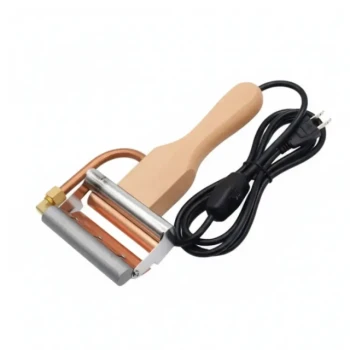
- Professional Honey Uncapping Roller for Efficient Harvesting
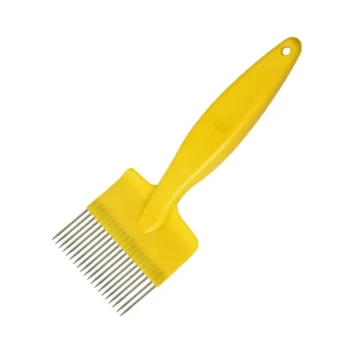
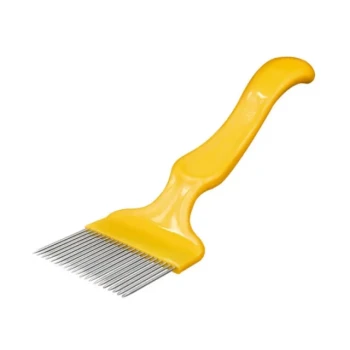
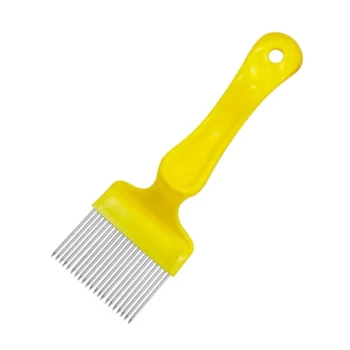
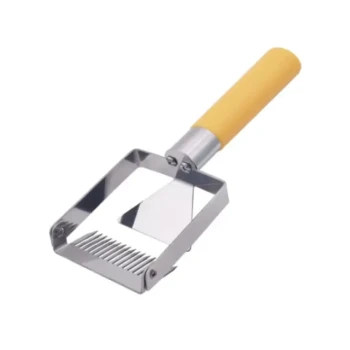
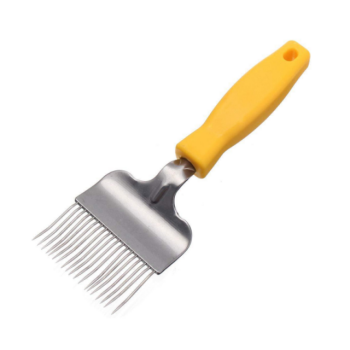
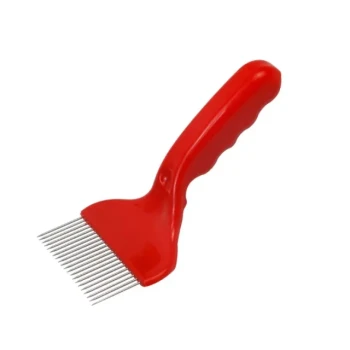
- Professional Durable Plastic Handle Honey Uncapping Fork
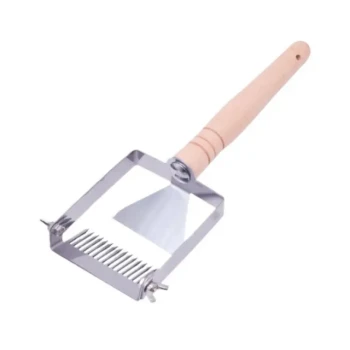
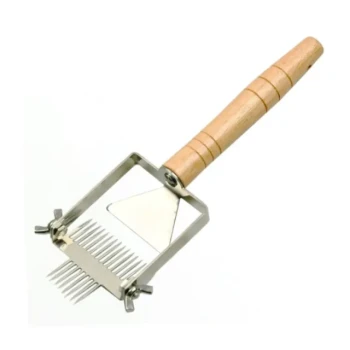
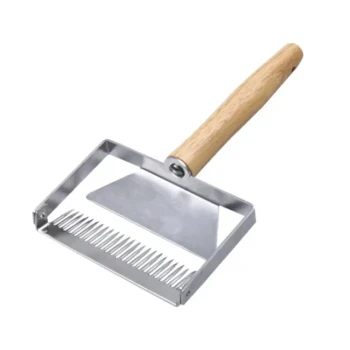
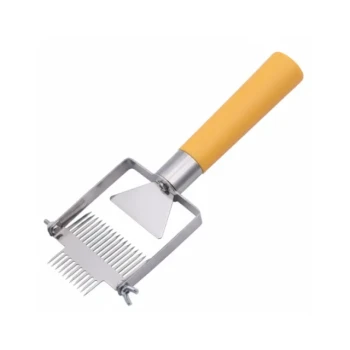
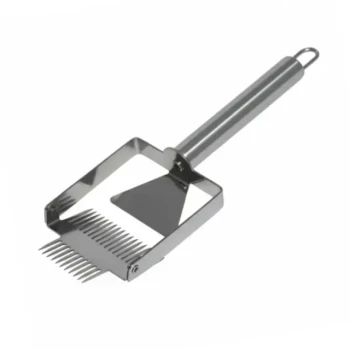
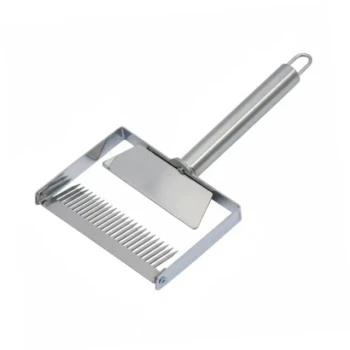
- Adjustable Stainless Steel Honey Uncapping Fork with Scraper for Beekeeping
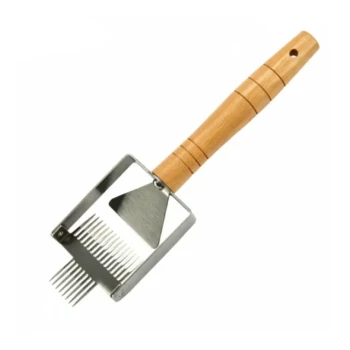
- Professional Honey Uncapping Fork Tool with Customizable Tine Options
People Also Ask
- How do I separate honey from wax? A Two-Stage Process for Maximum Yield
- How do you separate honey from wax cappings? Choose the Best Method for Your Harvest
- How do you separate honey from wax at home? A Simple Guide to Zero-Waste Harvesting
- What is the importance of separating honey from wax? Master Product Purity & Processing Efficiency
- What temperature does wax separate from honey? Achieve Clean, Efficient Honey Rendering