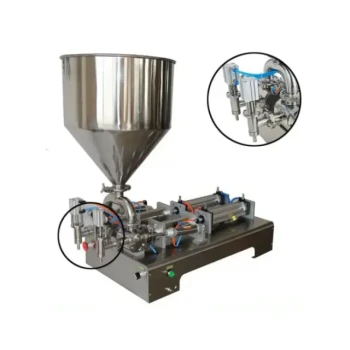
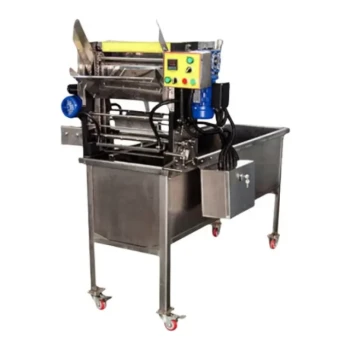
Automated honey filling machinery revolutionizes large-scale production by integrating the distinct processes of precision metering, filling, sealing, and labeling into a single, cohesive workflow. This automation significantly enhances overall production efficiency, drastically reduces labor costs, and minimizes the raw material waste often associated with handling high-viscosity fluids.
By standardizing the packaging process, automation mitigates the risk of secondary contamination and ensures product consistency. This technical foundation allows producers to meet the rigorous hygiene and weight standards required for international export and modern supermarket supply chains.
Streamlining Operational Efficiency
Integrated Workflow Management
Industrial-grade machinery consolidates multiple steps—metering, filling, sealing, and labeling—into one continuous operation. This eliminates the bottlenecks associated with manual transitions between stations, resulting in a dramatic increase in throughput.
Managing Viscosity and Waste
Honey presents unique challenges due to its thickness and stickiness. Automated systems utilize precision metering to manage overflow and wall-clinging issues common in manual handling. This precise control minimizes raw material waste and ensures every drop is packaged effectively.
Quantifiable Performance Data
Modern automated systems often operate within a performance management framework. They provide quantifiable output data, allowing managers to monitor production targets accurately and identify areas for further optimization.
Elevating Hygiene and Safety Standards
Eliminating Secondary Contamination
A critical advantage of automation is the reduction of human contact with the product. Closed-loop operating systems protect the honey from environmental exposure during the packaging phase.
Ensuring Regulatory Compliance
By minimizing the risk of secondary contamination, producers can ensure their honey remains additive-free and pure. This level of hygiene is essential for meeting international food safety standards and adhering to strict organic production policies.
Preserving Product Integrity
Advanced machinery often includes features for temperature-controlled filtration and constant-pressure filling. These technologies prevent the loss of active nutrients and extend the shelf life of the final product by maintaining high sanitation levels.
Unlocking Market Scalability
Achieving Retail Standardization
Supermarkets and retail chains demand rigorous consistency in weight and packaging aesthetics. Automated fillers ensure that every unit meets strict weight consistency standards, a requirement that is difficult to achieve with manual labor.
Facilitating Global Export
For apiaries aiming to enter the pharmaceutical or high-end consumer markets, standardization is non-negotiable. Automation provides the technical infrastructure necessary to satisfy global physicochemical standards, improving brand image and enabling distribution across international supply chains.
Versatility in Packaging
These machines are designed to accommodate various container types, including bottles, jars, sticks, and sachets. This flexibility allows producers to diversify their product offerings without sacrificing production speed or accuracy.
Understanding the Trade-offs
Specialization vs. Flexibility
While these machines are highly efficient, they are specifically engineered to handle the unique characteristics of honey. Using this high-specification equipment for fluids with vastly different viscosities may require significant recalibration or additional tooling.
Technical Infrastructure Requirements
Transitioning to automated lines moves a producer from labor-intensive operations to capital-intensive maintenance. It requires a shift in focus toward maintaining technical infrastructure and managing data, rather than simply managing a workforce.
Making the Right Choice for Your Goal
To maximize the return on investment in automation, align the machinery's capabilities with your specific operational targets.
- If your primary focus is entering international markets: Prioritize machinery with closed-loop systems and precision metering to ensure the hygiene and weight consistency required for export compliance.
- If your primary focus is operational efficiency: Look for integrated units that combine filling, sealing, and labeling to maximize throughput and minimize labor costs.
- If your primary focus is brand expansion: Select equipment with versatile settings that can handle diverse packaging formats like sachets or sticks to broaden your consumer appeal.
Automation transforms honey production from a traditional craft into a scalable, data-driven industrial operation capable of competing globally.
Summary Table:
| Key Advantage | Industrial Impact | Operational Benefit |
|---|---|---|
| Integrated Workflow | Combines metering, filling, sealing, and labeling | Drastic increase in throughput and reduced labor costs |
| Precision Metering | Manages high-viscosity fluid handling | Minimizes raw material waste and ensures weight consistency |
| Closed-loop System | Reduces human contact and environmental exposure | Eliminates secondary contamination and meets export standards |
| Packaging Versatility | Supports bottles, jars, sticks, and sachets | Enables product diversification and market scalability |
Elevate Your Beekeeping Business with HONESTBEE
Transitioning to automated production is a vital step for commercial apiaries and distributors aiming for global market success. At HONESTBEE, we specialize in providing the technical infrastructure you need to scale. From precision honey-filling machines and hive-making equipment to a comprehensive range of wholesale beekeeping tools and consumables, we empower our partners to meet rigorous international standards with ease.
Ready to optimize your production and maximize your ROI?
Contact HONESTBEE Today to Explore Our Wholesale Solutions
References
- Ruyida Mushtaq, Harmeet Singh. Role of Bee colonies in Honey production for Sustainable Livelihood in Anantnag District of Kashmir Valley, J & K. DOI: 10.7770/safer-v11n1-art2390
This article is also based on technical information from HonestBee Knowledge Base .
Related Products
- Fully Automatic Honey Filling Packaging Machine for Processing Line
- Automatic Honey Filling and Filtering Machine for Beekeeping Bottle Filling
- Precision Durable Efficient HONESTBEE Rotary Honey Filling Machine
- Precision Automated Packaging Turntable Honey Spoon Filling Sealing Packing Machine
- Semi Automatic Small Honey Bottle Filling Machine Honey Filler
People Also Ask
- Why are fully automatic honey filling and packaging lines essential? Boost Your Honey's Market Value and Quality
- What is a fully-automatic honey filler? Streamline Your Production with High-Precision Automation
- How do automated honey filling and packaging machines affect profitability? Boost Margins with HONESTBEE Technology
- How do automated honey filling and packaging machines contribute to the market value of honey products? Maximize Your ROI
- How do industrial-grade automated honey filling and packaging machines mitigate the risk of physical contamination?