Beyond the bare essentials of a hive and a suit, specific optional accessories can significantly streamline your apiary work. To improve your efficiency and safety, you should consider utilizing a specialized toolbox or belt for organization, dedicated rain or work boots for ankle protection, and a pre-gathered stockpile of various smoker fuels.
While not strictly required to keep bees, optional equipment serves to bridge the gap between basic functionality and operational fluency, specifically targeting workflow efficiency and eliminating common safety vulnerabilities.
Streamlining Hive Inspections
Efficiency in the apiary is often about organization. When you are managing a colony, your focus should be on the bees, not on searching for misplaced equipment.
Organizing Your Tools
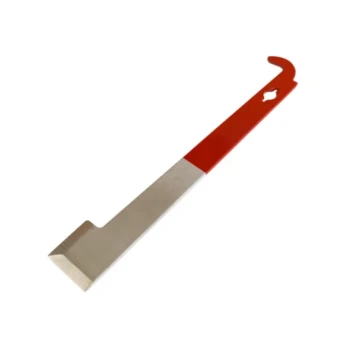
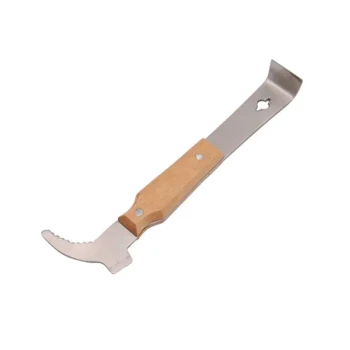
A toolbox, tool belt, or carrying bag is highly recommended. These items ensure your essential gear, such as your hive tool, is always within arm's reach.
Using a belt or bag prevents the frustration of losing small tools in tall grass during an inspection. It allows you to move fluidly between hives without backtracking to retrieve equipment.
Preparing Smoker Fuel
A smoker is essential, but having a ready supply of fuel is a helpful logistical choice. You can utilize commercial pellets for consistency.
Alternatively, you can collect natural materials like eucalyptus, pine needles, or straw. Keeping a dedicated supply of these materials ensures your smoker is always ready for immediate use, preventing delays during time-sensitive inspections.
Enhancing Personal Protection
Standard beekeeping suits provide general coverage, but they often leave specific vulnerabilities. Optional footwear addresses the most common "gap" in protective gear.
Closing the Ankle Gap
Standard beekeeping suits often ride up the leg, exposing the ankles. Rain boots or high-top work boots are excellent optional additions to your kit.
These boots allow you to tuck your pant legs inside, ensuring no skin is exposed. This simple addition protects against stings in the lower leg area, which is a common target for crawling bees.
Understanding the Trade-offs
While optional gear is helpful, it is important to understand where equipment ends and skill begins.
Equipment vs. Experience
Possessing high-quality tools does not automatically guarantee success. Statistical evidence suggests that experience is the critical factor in maximizing the potential of your equipment.
A novice with the best toolbox may still struggle with complex management details compared to an experienced beekeeper with basic gear. Do not rely on optional equipment to solve problems that actually require improved hive management skills.
Maintenance Requirements
Adding more gear to your rotation increases your maintenance load. Just as suits and veils require washing and inspection for tears, items like tool belts and boots must be cleaned to prevent spreading disease between apiaries.
Making the Right Choice for Your Goal
Select your optional equipment based on the specific friction points you encounter during inspections.
- If your primary focus is Efficiency: Invest in a tool belt or carrying bag to keep your hands free and your tools organized.
- If your primary focus is Safety: Prioritize tall rubber boots to eliminate the risk of ankle stings where your suit meets your footwear.
The best optional equipment is the gear that allows you to focus less on your tools and more on the health of your colony.
Summary Table:
| Equipment Category | Recommended Item | Key Benefit |
|---|---|---|
| Organization | Tool Belt / Carrying Bag | Keeps hive tools accessible; prevents loss in tall grass |
| Logistics | Stockpiled Smoker Fuel | Ensures consistent smoke; saves time during inspections |
| Enhanced Safety | Rain / High-top Boots | Closes the ankle gap in suits; prevents stings from crawling bees |
| Efficiency | Commercial Pellets | Provides longer, more predictable burn times than raw material |
Elevate Your Commercial Apiary Operations with HONESTBEE
Optimizing your workflow requires more than just basic gear—it demands professional-grade solutions. HONESTBEE specializes in supporting commercial apiaries and distributors with a comprehensive wholesale portfolio.
Whether you need specialized hive-making and honey-filling machinery to scale your production, or high-quality beekeeping tools and industry consumables to enhance daily efficiency, we provide the hardware and expertise to grow your business.
Ready to streamline your operations and maximize your yield? Contact us today to explore our full spectrum of equipment and cultural merchandise tailored for industry leaders.
Related Products
- HONESTBEE 15-in-1 Beekeeper Multi-Tool with Hammer and Pliers for Beekeeping
- Stainless Steel J Hook Hive Tool for Beekeeping
- Stainless Steel Queen Grafting Tool for Beekeeping and Bee Queen Grafting
- Multi-Function Plier-Style Frame Grip Hive Tool
- HONESTBEE Professional Mini J-Hook Hive Tool for Beekeeping
People Also Ask
- What is the recommended method for storing beekeeping tools? Expert Vertical Storage Solutions for Your Apiary
- How does a favorable microclimate interact with beekeeping tools? Boost Overwintering Success and Equipment Longevity
- Why is the treatment of beekeeping tools with high-concentration chemical disinfectants necessary for preventing AFB?
- What role do specialized beekeeping tools play in pest management? Enhance Apiary Health with Precision Tech
- How does the stable local supply of beekeeping tools affect technology adoption? Building Sustainable Apiaries