A stable local supply of specialized beekeeping tools and materials is the single most critical factor in ensuring the long-term retention of technical knowledge. Without consistent access to essential physical items—such as smokers, hive tools, and protective clothing—beekeepers are unable to maintain the standards learned during technical training, leading inevitably to the abandonment of modern equipment and a regression to less efficient methods.
The Core Reality: Technical training provides the "know-how," but the supply chain provides the "capacity to act." A disruption in the supply of maintenance tools or consumables forces beekeepers to abandon advanced techniques, proving that sustainable adoption relies more on logistics than on education alone.
The Physical Foundation of Technique
Tools Enable Methodology
Specialized beekeeping is not merely about knowledge; it relies on a physical foundation to be executed safely and effectively.
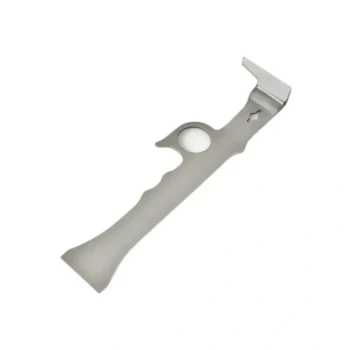
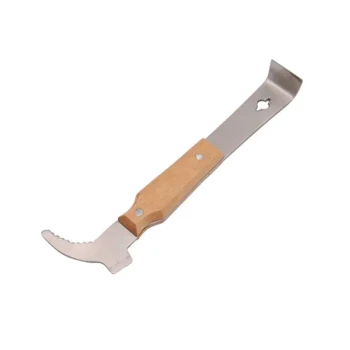
Advanced techniques require specific instruments. For example, a smoker is not optional for calming bees, and a hive tool is essential for manipulating frames. If these tools are unavailable, the technique itself becomes impossible to perform.
The Necessity of Protection
Protective clothing allows beekeepers to work with confidence and precision.
If this gear wears out and cannot be replaced locally, the risk of injury increases. This often discourages the frequent inspections necessary for advanced hive management.
The Critical Link to Sustainability
Supporting Technical Training
There is a direct dependency between supply chain stability and the success of educational programs.
Technical training invests time and resources into teaching new methods. However, this investment is wasted if the graduate cannot purchase the necessary materials to apply what they have learned.
Preventing Equipment Abandonment
Modern beekeeping equipment requires maintenance.
Without a steady flow of replacement parts or repair tools, expensive equipment eventually breaks down. Once broken, if it cannot be serviced locally, it is simply abandoned.
Understanding the Risks of Instability
The Trap of Technical Regression
The most significant long-term risk of a failing supply chain is technical regression.
When advanced tools become inaccessible, beekeepers do not simply stop keeping bees. Instead, they revert to traditional, often less productive methods that do not rely on specialized external inputs.
The Logistics Gap
A common pitfall in development projects is focusing entirely on the initial distribution of hardware while ignoring the consumables.
If a beekeeper is given a smoker but cannot buy fuel or bellows repair kits locally, the smoker becomes a relic rather than a functional tool.
Ensuring Long-Term Adoption
To ensure beekeeping technologies are actually adopted rather than just introduced, consider the following approach:
- If your primary focus is Program Design: You must establish a verified supply chain for parts and consumables before commencing technical training.
- If your primary focus is Sustainability: You should monitor the local availability of maintenance tools (like hive tools and smokers) as a leading indicator of whether the technology will survive.
Technology cannot take root where the supply chain fails to water it.
Summary Table:
| Factor | Role in Long-Term Adoption | Consequence of Supply Failure |
|---|---|---|
| Physical Tools | Enables precise execution of modern techniques. | Regression to inefficient traditional methods. |
| Protective Gear | Ensures safety and encourages regular hive inspections. | Increased injury risk and abandonment of hives. |
| Maintenance Supply | Extends the lifespan of high-tech machinery/equipment. | Expensive equipment becomes non-functional waste. |
| Consumables | Provides the daily 'capacity to act' for beekeepers. | Loss of technical momentum and training ROI. |
Scale Your Apiary Operations with HONESTBEE
At HONESTBEE, we understand that a stable supply chain is the backbone of any successful commercial apiary or distribution business. As your dedicated partner, we provide a comprehensive wholesale range designed to ensure your technology stays functional and your productivity remains high.
How we bring value to your business:
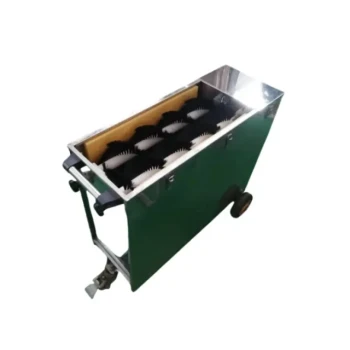
- Complete Equipment Solutions: From specialized hive-making and honey-filling machinery to high-quality smokers and protective gear.
- Reliable Supply Chain: We bridge the logistics gap by providing a wide array of essential industry consumables and replacement parts.
- Diverse Portfolio: Beyond hardware, we offer honey-themed cultural merchandise to help distributors diversify their market reach.
Don't let a lack of materials stall your growth. Ensure your beekeeping technology takes root with a partner you can trust.
Contact HONESTBEE Today to Discuss Your Wholesale Needs
References
- Lalisa Biyena, Teshome Kassa Degu. Assessment of Function of Beekeepers Farmers Research Group in Selected Oromia Zones. DOI: 10.11648/j.wjast.20240204.13
This article is also based on technical information from HonestBee Knowledge Base .
Related Products
- HONESTBEE 15-in-1 Beekeeper Multi-Tool with Hammer and Pliers for Beekeeping
- HONESTBEE Advanced Ergonomic Stainless Steel Hive Tool for Beekeeping
- Stainless Steel Queen Grafting Tool for Beekeeping and Bee Queen Grafting
- HONESTBEE Professional Mini J-Hook Hive Tool for Beekeeping
- Stainless Steel J Hook Hive Tool for Beekeeping
People Also Ask
- What is the recommended method for storing beekeeping tools? Expert Vertical Storage Solutions for Your Apiary
- How does a favorable microclimate interact with beekeeping tools? Boost Overwintering Success and Equipment Longevity
- Why is the treatment of beekeeping tools with high-concentration chemical disinfectants necessary for preventing AFB?
- What role do specialized beekeeping tools play in pest management? Enhance Apiary Health with Precision Tech
- Why design beekeeping tools with ergonomics in mind? Empowering All Beekeepers with Inclusive Equipment