The use of wide bottom bars in beehive frames presents significant structural and sanitary challenges, primarily disrupting natural comb construction and hindering hive hygiene. These bars cause bees to terminate comb construction prematurely, leaving a gap, and they create physical obstructions that trap dead bees and debris within the frame during winter.
Core Takeaway While frame geometry is often overlooked, a wide bottom bar works against the colony's natural behaviors. It forces bees to waste space by leaving gaps or cutting foundation, and it compromises winter sanitation by catching debris that would otherwise fall to the floor for easy removal.
Impact on Comb Structure
The "Bee Space" Gap
Bees adhere to strict spatial instincts within the hive. When presented with a wide bottom bar, they frequently refuse to connect the comb directly to the wood.
Instead, they draw the comb only to within a "bee-space" of the bar. This results in a persistent, open gap between the bottom of the comb and the frame itself.
Foundation Destruction
The instinct to maintain this gap is strong enough to override the beekeeper's inputs. If foundation is provided that extends to the bar, bees will often cut away the foundation rather than build over it.
This behavior undermines the purpose of the foundation, reducing the total usable surface area for brood or honey storage.
Winter Hygiene and Maintenance
Debris Accumulation
During the winter months, the colony clusters together, and bees naturally die and fall from the comb.
A wide bottom bar acts as an unintentional shelf. Instead of falling to the bottom of the hive, dead bees frequently lodge at the bottom of the comb, blocked by the width of the bar.
Hindered Cleaning Processes
Efficient hive maintenance relies on gravity to move waste out of the colony's immediate living area.
With a thinner bottom bar, dead bees and debris fall freely to the bottom board. This accumulation on the floor allows the beekeeper to easily clear the hive using a scraper, a task made difficult when debris is trapped higher up in the frames.
Making the Right Choice for Your Goal
When selecting frames, the geometry of the bottom bar plays a crucial role in long-term hive health.
- If your primary focus is winter hygiene: Opt for thinner bottom bars to ensure dead bees fall away from the cluster, allowing for easy cleaning of the bottom board.
- If your primary focus is maximizing comb area: Avoid wide bars to prevent bees from cutting away foundation and leaving unutilized gaps at the bottom of the frame.
Aligning your equipment with the natural behaviors of the bee ensures a cleaner, more efficient colony.
Summary Table:
| Problem Category | Impact of Wide Bottom Bar | Benefit of Thin Bottom Bar |
|---|---|---|
| Comb Construction | Bees leave gaps or cut away foundation | Comb is built fully to the frame edge |
| Winter Hygiene | Traps dead bees/debris as a "shelf" | Debris falls freely to the bottom board |
| Space Utilization | Reduces total usable area for brood/honey | Maximizes comb surface area |
| Cleaning Ease | Obstructs manual frame cleaning | Allows easy scraping of the floor |
Optimize Your Apiary with Professional-Grade Equipment
Maximize your colony's health and productivity with hardware designed for natural bee behavior. HONESTBEE provides commercial apiaries and distributors with high-quality beehive frames and essential beekeeping tools that prioritize hive hygiene and structural efficiency.
From specialized hive-making machinery to durable frames and honey-themed merchandise, we offer a comprehensive wholesale portfolio to support your business growth.
Ready to upgrade your equipment? Contact us today to discover how our tailored solutions can streamline your operations and enhance your yield.
Related Products
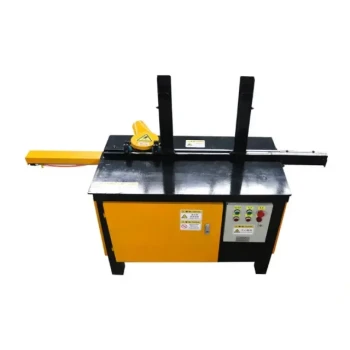
- HONESTBEE Top Bar & Bottom Bar Forming Machine | Bee Frame Machine
- Langstroth Solid Bottom Board for Beekeeping
- Solid Bottom Board Australian Pine Wood Langstroth Bottom Board for Wholesale
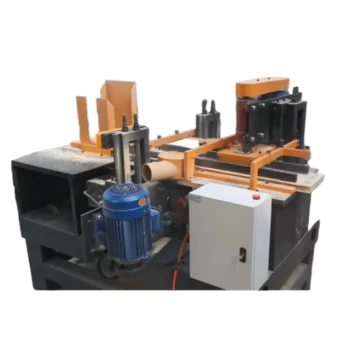
- HONESTBEE Bee Frame Grooving Machine | Precision Slotting for Bee Frame Making
- Professional Bee Frame Machine for Side Bar Shaping
People Also Ask
- What is the primary function of the Top Bar and Bottom Bar Forming Machine? Automate Hive Frame Production Excellence
- How does the Top Bar and Bottom Bar Forming Machine process wooden strips? High-Precision Frame Component Production
- What is the operational sequence of the Top Bar and Bottom Bar Forming Machine? Precision Beekeeping Frame Manufacturing
- What are the key benefits of investing in the Top Bar and Bottom Bar Forming Machine? Scale Your Hive Production Now
- What customization options are available for the Top Bar and Bottom Bar Forming Machine? Engineered for Any Hive Standard