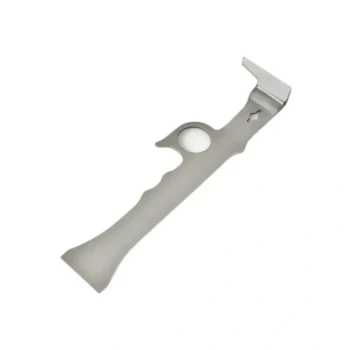
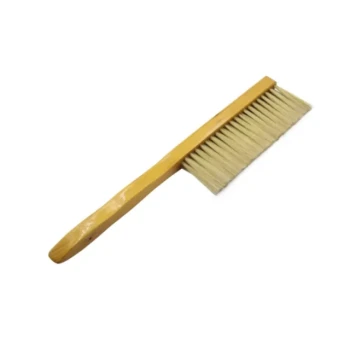
Professional cleaning and sanitation tools act as the primary biosecurity mechanism in apiary management, safeguarding the colony against external biological threats. By systematically removing debris and waste, these tools prevent predators such as ants and other insects from breaching the hive while simultaneously stopping the transmission of dangerous pathogens. This creates a sanitized, stable environment that allows the honeybee colony to focus its energy on growth rather than defense.
The Core Insight Hygiene in the apiary is not merely a housekeeping task; it is a strategic tool for risk management. A clean environment actively disrupts the lifecycles of parasites and fungi, directly reducing colony mortality rates and ensuring consistent production.
Establishing a Defensive Perimeter
Blocking Predator Infiltration
The most immediate role of cleaning tools is to remove attractants that draw predators to the hive.
By clearing debris and potential food sources from the apiary floor and hive exterior, you effectively block the entry of opportunistic insects like ants. This prevents these predators from establishing trails into the hive and pillaging colony resources.
Disrupting Parasitic Lifecycles
Beyond external predators, internal hive hygiene is critical for controlling parasites.
Regularly cleaning bottom boards disrupts the egg-laying environment for pests such as wax moths. Maintaining a debris-free environment prevents these parasites from establishing a foothold, protecting the structural integrity of the comb and the health of the brood.
Disease Prevention and Pathogen Control
Eliminating Transmission Vectors
Pathogens thrive in accumulated waste and organic debris.
Professional sanitation tools allow beekeepers to remove these potential sources of contamination before they infect the colony. This proactive removal is essential for preventing the spread of diseases that can decimate a hive if left unchecked.
The Role of Gear Sanitation
Sanitation extends beyond the hive itself to the equipment used by the beekeeper.
Sanitizing protective gear—such as suits and gloves—before entering the apiary is a critical step in disease prevention. This practice removes pathogens picked up during storage or previous inspections, ensuring that the beekeeper does not become a vector for disease transmission between colonies.
Preventing Fungal Growth
Moisture and waste buildup are breeding grounds for fungi.
Regular cleaning ensures a dry environment inside the hive. When combined with appropriate disinfection products, this suppresses fungal growth, which is particularly vital during the sensitive spring development phase.
Promoting Physiological Stability
Reducing Environmental Stress
A clean hive does more than stop disease; it helps bees cope with the weather.
maintaining a dry, clean internal environment reduces the secondary physiological stress caused by drastic temperature fluctuations. When the hive is free of rotting debris and dampness, the colony can regulate temperature more efficiently, leading to higher survival rates.
Enhancing Colony Focus
When a colony is not fighting off pests or navigating debris, it is calmer and more productive.
A stable, sanitized environment minimizes the stress response in bees. This allows the colony to direct its energy toward foraging and brood rearing rather than hive maintenance and defense.
Common Pitfalls to Avoid
Neglecting Data Recording
Cleaning without tracking is a missed opportunity for optimization.
Specialized hygiene record tools are essential for monitoring the effectiveness of your sanitation schedule. Failing to document cleaning processes makes it difficult to identify the root causes of production fluctuations or pass safety audits.
Inconsistent Application
Sporadic cleaning is often as ineffective as no cleaning at all.
For sanitation tools to be effective, they must be used regularly to prevent the re-accumulation of debris. Inconsistency allows pests like wax moths to re-establish their populations between inspections.
Making the Right Choice for Your Goal
To maximize the health and productivity of your apiary, tailor your sanitation strategy to your specific objectives:
- If your primary focus is Pest and Disease Control: Prioritize the regular cleaning of bottom boards and the strict sanitation of protective gear before every apiary visit to break infection chains.
- If your primary focus is Professional Scaling: Implement specialized hygiene record tools to document every cleaning and medication process, ensuring you have the data needed for safety audits and production optimization.
Ultimately, professional sanitation tools transform beekeeping from a reactive struggle against pests into a proactive system of controlled, stable biological management.
Summary Table:
| Protection Category | Primary Role | Key Benefit |
|---|---|---|
| Predator Control | Removing debris & attractants | Blocks ants and opportunistic insect infiltration. |
| Parasite Disruption | Cleaning bottom boards | Interrupts the lifecycles of pests like wax moths. |
| Disease Prevention | Sanitizing gear and hive | Eliminates transmission vectors and suppresses fungal growth. |
| Colony Stability | Maintaining dry environment | Reduces physiological stress and enhances foraging focus. |
| Data Management | Using hygiene record tools | Ensures audit compliance and tracks sanitation effectiveness. |
Scale Your Apiary Operations with HONESTBEE
Maintaining rigorous sanitation is the cornerstone of a profitable and healthy apiary. At HONESTBEE, we specialize in empowering commercial apiaries and distributors with the professional-grade tools needed to ensure biosecurity at scale.
From advanced beekeeping machinery and hive-making equipment to specialized sanitation tools and essential industry consumables, our comprehensive wholesale portfolio is designed to streamline your management. Partner with us to improve colony survival rates and operational efficiency.
Ready to elevate your beekeeping business? Contact HONESTBEE Today for Wholesale Solutions
References
- Abera Anja, Elfiyos Seyoum. Assessment of beekeeping production system and constraints in basketo special woreda, Southern Ethiopia. DOI: 10.15406/hij.2018.02.00039
This article is also based on technical information from HonestBee Knowledge Base .
Related Products
- HONESTBEE Professional Multi-Functional Hive Tool with Ergonomic Wood Handle
- Wooden Bee Brush with Double-Row Horsehair Bristles
- Multi-Function Plier-Style Frame Grip Hive Tool
- Professional Stainless Steel Pry-Bar Hive Tool
- Professional Grade Foldable Beehive Handles
People Also Ask
- What are the benefits of a multi-functional hive tool? Streamline Your Apiary Workflow with One Tool
- What advantages do multi-functional hive tools offer? Maximize Your Apiary Efficiency and Workflow
- Why are professional hive tools considered indispensable? Master Beekeeping Maintenance with Precision Leverage
- What is the role of professional hive tools in routine apiary maintenance? Expert Tips for Hive Health and Longevity
- What specific functions does a multi-functional Hive Tool perform? Essential Lever & Scraper Roles for Hive Care