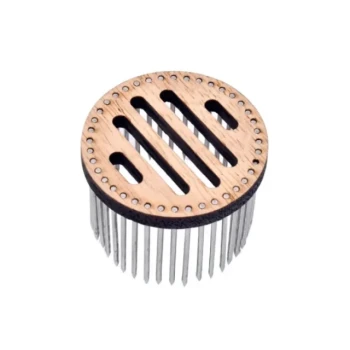
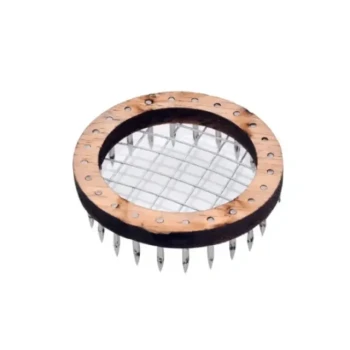
Aluminum wire cages act as protective isolation chambers for emerging virgin honey bee queens. Introduced around the tenth day after grafting, these cages physically separate queens to prevent lethal combat while simultaneously allowing worker bees to feed and care for them through the mesh structure.
While emerging queens have a biological instinct to destroy rivals, they still require constant care from the colony. Aluminum wire cages solve this paradox by offering physical security against aggression while maintaining the chemical and nutritional connections vital for survival.
The Biological Necessity of Isolation
Preventing Instinctual Aggression
Upon emergence, a virgin queen’s primary instinct is often to eliminate competition to secure her role in the colony. Without intervention, the first queen to emerge would seek out and destroy other developing queen cells or fight rival virgins.
Aluminum wire cages serve as a physical barrier. They contain the queen immediately after she hatches, neutralizing the risk of queens attacking one another.
The Critical Timing window
Effective use of these cages relies on precise timing. The equipment must be utilized around the tenth day after grafting.
This specific timeframe ensures the queens are secured just before they chew their way out of their cells. If the cages are installed too late, the protective benefit is lost; too early, and incubation may be disturbed.
The Mechanics of Cage Design
Permeable Protection
The cage is not a sealed box; it utilizes a specific mesh design. This structure is the key to its dual function of isolation and integration.
The openings in the wire are small enough to keep the queen inside but large enough to facilitate interaction with the outside colony.
Sustained Nutrition and Social Contact
A queen inside a cage cannot forage or feed herself effectively. She relies entirely on worker bees feeding her through the wire openings.
The mesh design allows workers to extend their proboscises into the cage. This ensures the queen receives necessary nutrition and maintains social contact (pheromone exchange) without being exposed to physical threats.
Understanding the Trade-offs
Absolute Dependency
While the cage offers protection, it creates a state of total reliance on external care. If the mesh becomes blocked or if the cage is placed in an area of the hive with few nurse bees, the queen will starve.
Limited Mobility
The cage restricts the queen's movement significantly compared to free roaming. While necessary for protection, this confinement is a temporary measure and should not be prolonged indefinitely, as the queen eventually requires mating flights to become reproductive.
Making the Right Choice for Your Goal
To effectively utilize aluminum wire cages in your queen rearing operations, consider your specific objectives:
- If your primary focus is Maximizing Yield: Strictly adhere to the tenth-day installation schedule to ensure zero losses from early-emerging queens killing their rivals.
- If your primary focus is Queen Health: verify that the mesh openings are clear and the cages are placed in a population-dense area of the hive to guarantee constant feeding.
Success in queen rearing lies in balancing the queen's need for safety with her absolute need for social support.
Summary Table:
| Feature | Function & Impact |
|---|---|
| Core Purpose | Isolation of emerging queens to prevent lethal combat and queen cell destruction. |
| Optimal Timing | Installed around the 10th day after grafting to catch queens before emergence. |
| Mesh Design | Permits workers to feed the queen and exchange pheromones while providing a physical barrier. |
| Key Risks | Potential starvation if mesh is blocked or placed away from nurse bees; limited mobility. |
| Primary Benefit | Maximizes queen yield for commercial apiaries by ensuring survival during the critical hatching window. |
Scale Your Queen Rearing Success with HONESTBEE
Efficient queen production is the heart of a productive apiary. At HONESTBEE, we empower commercial apiaries and beekeeping distributors with high-quality aluminum wire cages and professional-grade rearing equipment designed for maximum yield.
Our extensive portfolio includes:
- Precision Hardware: From hive-making machinery to honey-filling systems.
- Rearing Essentials: Durable isolation cages, grafting tools, and specialized consumables.
- Merchandise: Unique honey-themed cultural products to expand your brand's reach.
Ready to upgrade your wholesale supply or commercial operation? Contact us today to discover how our comprehensive beekeeping solutions can streamline your business and protect your valuable queen stock.
References
- Abdallah Saad Soliman M. Kamel. Evaluation of Colony Parameters for Queen Rearing under Arid Ecosystem Conditions. DOI: 10.21608/japp.2021.234779
This article is also based on technical information from HonestBee Knowledge Base .
Related Products
People Also Ask
- What advantages do push-in queen cages offer? Boost Acceptance Rates for Artificially Inseminated Queens
- What is a push-in queen cage and how does it differ from a standard queen cage? Boosting Your Queen Acceptance Rates
- What is a push-in queen cage and how does it differ from standard cages? Achieve Higher Queen Acceptance Rates
- How can a beekeeper obtain a push-in queen cage? DIY vs. Professional Sourcing Guide
- When is a queen introduced with a push-in cage ready for full release? Key Signs for Maximum Colony Acceptance