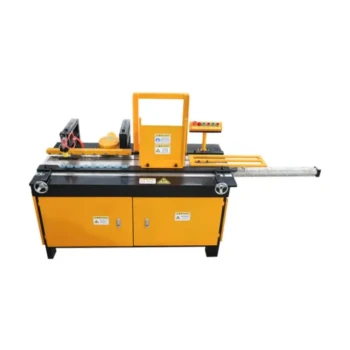
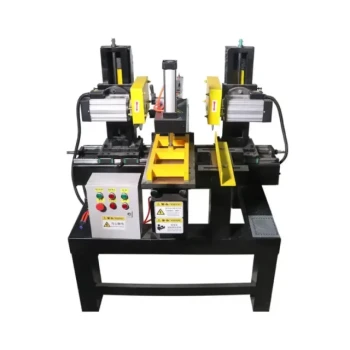
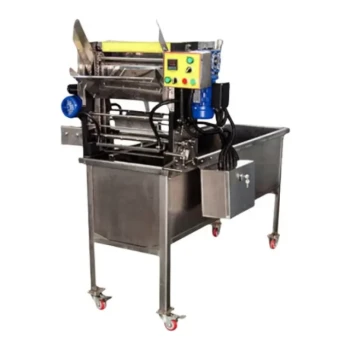
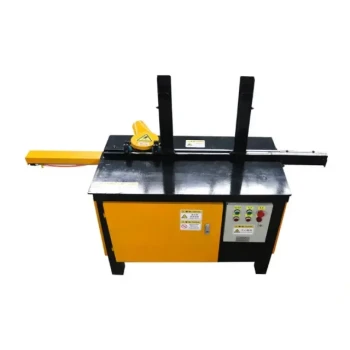
Automated hive-making machines are the industrial backbone of modern commercial beekeeping. They enable the mass production of standardized hives using wood or composite materials. For operations managing tens of thousands of colonies, this technology is not just about manufacturing boxes; it provides the essential hardware required for scalable breeding, rapid pollination transport, and mechanized honey extraction.
By shifting hive production from manual craftsmanship to automated precision, these machines drastically reduce infrastructure maintenance costs. They ensure the structural uniformity necessary for high-density beekeeping, allowing operations to scale without being bottlenecked by hardware shortages.
The Criticality of Standardization
Ensuring Component Interchangeability
Precision machinery guarantees that frames, covers, and bottom boards are dimensionally identical. This allows apiarists to swap components between thousands of hives seamlessly, simplifying complex tasks like colony splitting, merging, and pest inspections.
Maintaining Precise "Bee Space"
Machines manufacture components to exact dimensional standards to maintain specific bee space. This precise gap is biologically critical; it allows bees to move freely without building "burr comb" (excess wax), which jams equipment and drastically slows down management tasks.
Facilitating Mechanization
Uniform hive structures are a prerequisite for automated honey extraction lines. Without the standardized dimensions provided by these machines, automated uncapping and spinning machinery cannot function, forcing operations back to slow, manual harvesting methods.
Enabling Industrial Scale and Efficiency
Streamlining Logistics and Transport
Standardized hives are compatible with palletized systems and modern warehousing logic. This uniformity is essential for migratory beekeeping, where thousands of colonies must be stacked and moved rapidly to fulfill pollination contracts across different regions.
Alleviating Growth Bottlenecks
Automated production enables high-speed manufacturing that manual labor cannot match. This capability eliminates hardware shortages, providing the physical infrastructure necessary for rapidly expanding colony sizes and increasing breeding density.
Economic and Biological Impact
Reducing Capital and Maintenance Costs
By utilizing automated machines, operations can produce hardware in-house or purchase it at a lower unit cost. This lowers the capital investment required for expansion and significantly reduces the long-term burden of infrastructure maintenance.
Improving Colony Survivability
Consistent manufacturing allows for superior structural integrity and better insulation. This protects colonies from extreme weather conditions, improving overwintering survival rates and maximizing the honey-producing potential of the local ecosystem.
Understanding the Trade-offs
Initial Investment vs. Operational Cost
While automated machines reduce the per-unit cost of hives, acquiring the machinery for in-house production represents a significant upfront capital investment. Beekeepers must weigh this initial expense against the long-term savings in labor and purchasing costs.
Standardization vs. Flexibility
The efficiency of these machines relies on strict adherence to standard dimensions. This limits customization, meaning operations must commit fully to a specific hive standard (such as Langstroth) and cannot easily deviate for experimental or non-standard management techniques without retooling.
Making the Right Choice for Your Goal
To leverage automated hive production effectively, align the technology with your specific operational targets:
- If your primary focus is rapid expansion: Use automated machinery to remove hardware production bottlenecks, ensuring you have the physical capacity to increase colony density immediately.
- If your primary focus is operational efficiency: Prioritize the strict standardization of frames and boxes to unlock the full capabilities of mechanized extraction and palletized logistics.
Standardization is not just a convenience; it is the technical foundation that allows beekeeping to function as a high-density industry.
Summary Table:
| Feature | Impact on Large-Scale Operations | Key Benefit |
|---|---|---|
| Dimensional Precision | Guarantees identical components and "bee space." | Seamless interchangeability & easier hive management. |
| Mass Production | Eliminates hardware shortages and manufacturing bottlenecks. | Enables rapid expansion of colony density. |
| Standardization | Compatibility with palletized logistics & extraction lines. | Lower operational costs & mechanized harvesting. |
| Structural Integrity | Superior insulation and weather-resistant construction. | Improved colony survivability and honey yield. |
Scale Your Apiary with HONESTBEE Precision Equipment
As a dedicated partner to commercial apiaries and global distributors, HONESTBEE understands that hardware standardization is the backbone of your profitability. We provide a comprehensive wholesale range of automated hive-making machines, honey-filling systems, and industrial-grade beekeeping tools designed for high-density operations.
Whether you are looking to eliminate production bottlenecks or upgrade your infrastructure with reliable machinery and consumables, our expertise helps you achieve industrial efficiency at scale. Contact HONESTBEE today to discuss how our specialized hardware and cultural merchandise can enhance your business portfolio.
References
- Clint R. V. Otto, Matthew Smart. Patch utilization and flower visitations by wild bees in a honey bee‐dominated, grassland landscape. DOI: 10.1002/ece3.8174
This article is also based on technical information from HonestBee Knowledge Base .
Related Products
- Automatic High-Speed Bee Hive Box Stapling Machine
- Automatic Finger Joints Joint Making Machine for Bee Box and Hive Making
- High-Efficiency Pneumatic Bee Hive Making Machine for Rapid Box Assembly
- Mini Desktop Bee Hive Frame Forming Making Machine
- Beehive Handle and Frame Rest Cutting Machine: Your Specialized Hive Machine
People Also Ask
- How is the Bee Box machine adjusted for different box sizes? Maximize Your Woodworking Versatility and Precision
- How is the Bee Box machine operated? Optimize Your Commercial Hive Production with Scalable Staffing Solutions
- How was the Bee Box machine designed? Industrial Engineering for High-Volume Beekeeping Production
- What is the production capacity of the Bee Box machine? Boost Output up to 1,000 Boxes Daily
- What are the power requirements and control system for the Bee Box machine? Optimize Your Apiary Equipment Production