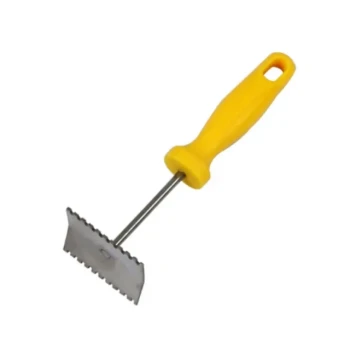
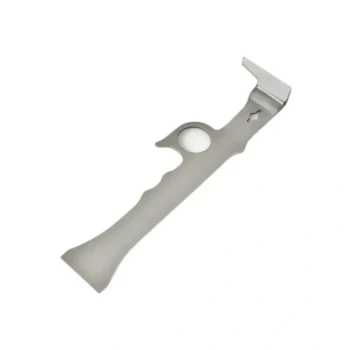
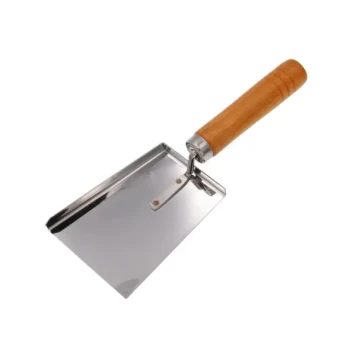
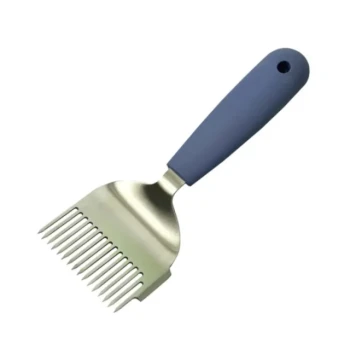
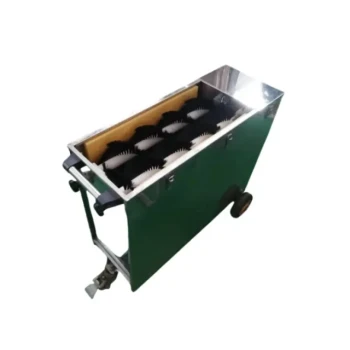
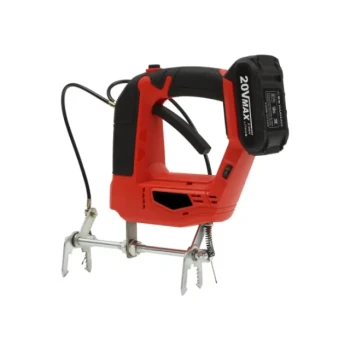
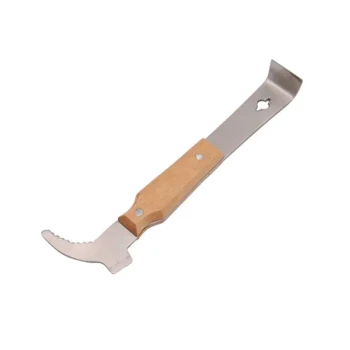
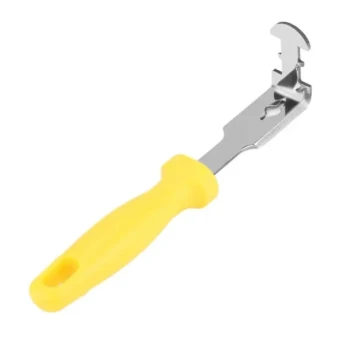
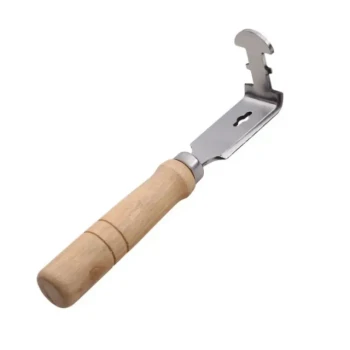
Hand-held cutting tools, specifically industrial-grade large-tooth saws and chisels, are the primary instruments for the surgical extraction of bee nests from tree hollows. Their role is to facilitate a controlled longitudinal split of the hollow stem, allowing the wood to be opened lengthwise rather than cross-sectioned. This specific method creates access to the colony without crushing the delicate internal structures necessary for its survival.
The objective of using these specific tools is not just access, but preservation; they allow for a controlled split that reveals the full nest architecture while protecting the brood, pollen, and honey pots from destruction during the transfer process.
The Mechanics of Precision Extraction
Achieving the Longitudinal Split
To access a nest inside a tree hollow, you cannot simply cut through the log, as this would destroy the colony.
Instead, industrial-grade large-tooth saws are used to cut along the length of the stem. Chisels are then employed to pry the wood apart, following the natural grain.
Full Architectural Exposure
This splitting technique opens the log effectively, exposing the entire nest at once.
This level of exposure is critical for scientists and beekeepers who need to observe the complex nest architecture. It allows for precise morphological measurement that would be impossible if the nest were excavated in pieces.
Protecting Fragile Internal Structures
Safeguarding the Brood Area
The core of the colony is the brood area, which contains the developing bees.
Using chisels to gently separate the wood ensures that the physical pressure is applied to the timber, not the nest. This prevents the brood combs from being compressed or torn during the opening process.
Preserving Resource Pots
Stingless bees store their resources in fragile pollen and honey pots.
Precision tools prevent the accidental rupture of these pots. Keeping these intact is vital, as spilled honey can drown the bees and attract pests, while intact pots provide immediate food sources after the transfer.
Understanding the Trade-offs
The Risk of Vibration
While saws and chisels are precise, they are impact tools.
Excessive hammering on a chisel can send shockwaves through the hollow log. This vibration can cause internal structures to collapse even if the wood splits cleanly, requiring a steady and measured hand.
Tool Quality and Specification
The primary reference explicitly calls for industrial-grade tools.
Using standard consumer-grade tools may result in inefficient cutting. Dull or undersized tools often require more physical force to do the job, which increases the likelihood of damaging the colony through slippage or excessive impact.
Making the Right Choice for Your Goal
To apply this to your extraction project, match your technique to your ultimate objective:
- If your primary focus is Colony Survival: Use the chisel leverage technique to prioritize the structural integrity of the honey pots and brood area above all else.
- If your primary focus is Scientific Data: Ensure your longitudinal cut is perfectly straight to maximize the visibility of the nest architecture for morphological measurement.
Precision tools transform extraction from a demolition task into a preservation effort, ensuring the colony's future is secure.
Summary Table:
| Tool Type | Primary Function | Benefit to Colony |
|---|---|---|
| Industrial-Grade Saws | Longitudinal stem cutting | Prevents cross-sectioning & internal nest crushing |
| Heavy-Duty Chisels | Prying and grain splitting | Controlled opening that protects brood combs |
| Precision Hand Tools | Material removal | Minimizes vibration and protects fragile honey/pollen pots |
Scale Your Apiary Operations with HONESTBEE
At HONESTBEE, we understand that the right tools are the difference between a successful colony transfer and a total loss. We provide commercial apiaries and global distributors with a comprehensive range of industrial-grade beekeeping equipment—from specialized hardware and hive-making machinery to honey-filling systems and premium consumables.
Whether you are scaling a professional beekeeping business or supplying the next generation of industry experts, our portfolio is designed to enhance your efficiency and yield. Contact us today to explore our wholesale solutions and elevate your production!
References
- Amit Choudhary, P. K. Chhuneja. Nest Architecture and Nesting Site Preference of <i>Tetragonula iridipennis</i> Smith in North-Western Plains of India. DOI: 10.2478/jas-2021-0003
This article is also based on technical information from HonestBee Knowledge Base .
Related Products
- Professional Stainless Steel Pry-Bar Hive Tool
- Professional Multi-Function Stainless Steel Hive Tool
- Stainless Steel Scraper for Metal Queen Bee Excluders
- Stainless Steel J Hook Hive Tool for Beekeeping
- HONESTBEE Advanced Ergonomic Stainless Steel Hive Tool for Beekeeping
People Also Ask
- Which technical challenges in hive maintenance are addressed by using a professional stainless steel hive tool?
- What is the function of a professional stainless steel hive tool in IFB? Optimize Your Colony Strength Assessment
- What are the primary functions of a stainless steel hive tool? Essential Tips for Efficient Apiary Maintenance
- What are the primary functions of a stainless steel hive tool? Essential Equipment for Professional Beekeeping
- What is the role of professional hive tools in routine apiary maintenance? Expert Tips for Hive Health and Longevity