High-quality queens serve as the central biological engine driving the productivity of commercial pollination services. Their primary role is to regulate reproductive speed and foraging intensity, ensuring that colony population levels peak precisely when specific crops require maximum visitation.
In the context of commercial pollination, a colony's efficiency is defined by its ability to deploy a massive workforce during a narrow window of time. A superior queen guarantees this synchronization, directly influencing fruit set rates and the ultimate market value of the crop.
The Mechanics of Colony Efficiency
Driving Reproductive Speed
The fundamental value of a high-quality queen lies in her reproductive capacity. She determines the rate at which new worker bees are produced.
By introducing queens with superior traits, beekeepers ensure the colony maintains a high population density. This is not about maintaining numbers year-round, but about accelerating population growth to coincide with critical blooming periods.
Enhancing Foraging Activity
Beyond simple population numbers, the genetic quality of the queen influences the behavior of the worker bees.
Superior genetics translate into more aggressive and frequent foraging. This results in a higher frequency of flower visits, which is the metric that matters most for pollination success.
Translating Biology to Commercial Value
The Impact on Specific Crops
The efficiency of a queen is often measured by the yield of the crops her colony services. The primary reference highlights crops such as apples and strawberries as key beneficiaries of this increased activity.
Improving Fruit Set Rates
The end goal of commercial pollination is the "fruit set"—the transition from flower to fruit.
High-quality queens drive the visitation frequency required to maximize this rate. By ensuring thorough pollination, the colony significantly enhances the commercial value of the harvest for the grower.
Understanding the Limitations
Biology vs. Logistics
While a high-quality queen optimizes the internal potential of a colony, she cannot overcome external logistical barriers alone.
Even a colony with superior genetics and high population counts will suffer efficiency losses if the hives are poorly located. As noted in the supplementary context regarding mobile apiaries, bees expend significant energy flying from distant locations.
The Necessity of Proximity
A queen can produce the workers, but she cannot reduce their travel time. Therefore, the efficiency gained by a high-quality queen can be negated if the hive is not placed directly at the source of the crop.
True commercial optimization requires a dual approach: superior biological drivers (the queen) paired with efficient logistical placement (mobile platforms).
Making the Right Choice for Your Operation
To maximize the return on investment in commercial pollination, you must balance genetic selection with operational logistics.
- If your primary focus is Crop Yield: Prioritize queens with genetic traits selected for rapid reproductive speed to maximize worker population during the bloom.
- If your primary focus is Operational Efficiency: Ensure your high-quality colonies are deployed using mobile platforms to minimize bee energy waste and maximize time on the flower.
High-quality queens are not just a component of the hive; they are the catalyst that converts biological resources into commercial profit.
Summary Table:
| Key Factor | Impact of High-Quality Queens | Commercial Benefit |
|---|---|---|
| Reproductive Speed | Accelerates population growth to peak during bloom | Massive workforce availability |
| Foraging Intensity | Drives aggressive and frequent flower visitation | Higher fruit set rates |
| Genetic Traits | Influences worker behavior and pollination efficiency | Increased market value of crops |
| Synchronization | Aligns colony strength with narrow crop windows | Optimized pollination windows |
| Crop Specifics | Targeted activity for crops like apples & strawberries | Enhanced yield per acre |
Maximize Your Pollination ROI with HONESTBEE
At HONESTBEE, we understand that high-quality queens are the engine of your success, but the right equipment is the fuel. We cater specifically to commercial apiaries and distributors, offering a comprehensive wholesale range designed to scale your operations. From specialized hive-making and honey-filling machinery to essential industry consumables and honey-themed merchandise, we provide the tools you need to support high-performance colonies.
Ready to enhance your pollination efficiency and scale your business? Partner with a supplier that understands the demands of commercial beekeeping.
Contact HONESTBEE Today to explore our wholesale equipment solutions!
References
- Tom D. Breeze, Simon G. Potts. The costs of beekeeping for pollination services in the UK – an explorative study. DOI: 10.1080/00218839.2017.1304518
This article is also based on technical information from HonestBee Knowledge Base .
Related Products
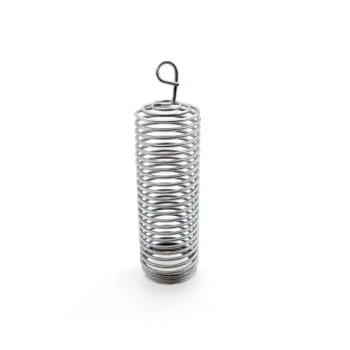
- Durable Galvanized Steel Spring Queen Bee Cage
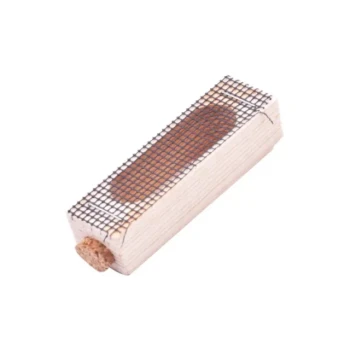
- Premium Wood Framed Metal Wire Queen Bee Excluder
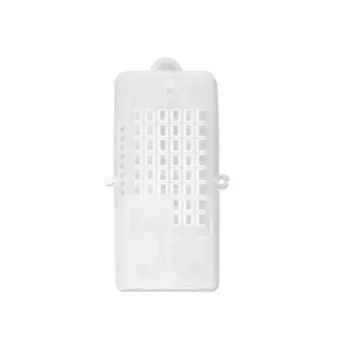
- Professional Queen Bee Introduction and Transport Cage
- High Performance Plastic Queen Excluder for Beekeeping and Apiary Management
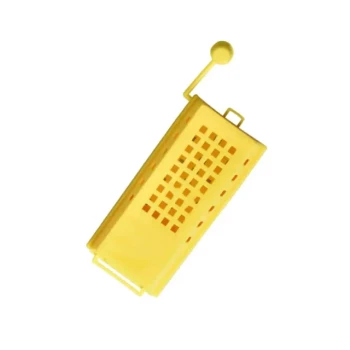
- Professional Queen Cage with Sliding Gate and Feeder Plug
People Also Ask
- Why are specialized queen bee cages used for the banking of mated queen bees? Maximize Commercial Apiary Storage Efficiency
- What is the mechanism of action for using temporary queen bee cages? Master Successful Queen Introduction
- What is the step-by-step process for installing a queen bee's cage onto a frame? Ensure Hive Acceptance Safely
- What is the optimal placement for a queen bee cage? Essential Strategies for Successful Re-queening
- What are the advantages and disadvantages of introducing a queen bee by embedding the cage? Boost Your Queen Acceptance