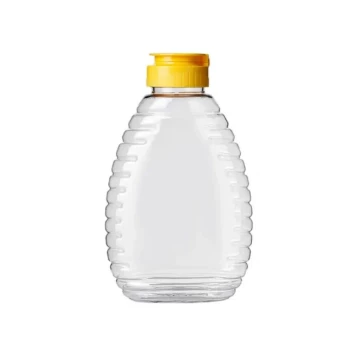
Lightweight plastic bottles act as a strategic asset for optimizing logistics and expanding market reach within the honey industry. Their primary function is to minimize operational overhead by significantly reducing shipping weight and virtually eliminating breakage during transit. This durability and efficiency make honey products cost-competitive and viable for mass-market distribution.
Core Insight While glass is often associated with traditional presentation, lightweight plastic is the driver of commercial scalability. It transforms the supply chain by converting potential losses (breakage and heavy freight costs) into savings, ensuring honey reaches the consumer safely and affordably.
Optimizing the Logistics Chain
Reducing Transportation Overheads
The most immediate impact of lightweight plastic is the drastic reduction in shipping costs. Because plastic containers are significantly lighter than glass alternatives, distributors can transport higher volumes of product without exceeding weight restrictions. This efficiency directly lowers fuel consumption and freight fees per unit.
Minimizing Product Loss
Transporting fragile goods like honey carries inherent risks. Plastic bottles offer superior impact resistance, acting as a safeguard against the shocks and vibrations of long-distance travel. This durability prevents the breakage rates common with glass, ensuring that inventory loaded at the warehouse arrives intact at the retailer.
Ensuring Leak-Proof Integrity
Beyond preventing shattering, industrial-grade plastic bottles provide reliable sealing performance. High-quality manufacturing prevents leakage and contamination, maintaining the hygiene and pharmacological properties of the honey throughout the distribution cycle.
Strategic Market Expansion
Enabling Mass-Market Pricing
The savings generated from optimized logistics allow for more aggressive pricing strategies. By lowering the "landed cost" of the product, producers can offer honey at cost-competitive price points suitable for mass consumption. This accessibility helps brands penetrate broader markets that might be priced out by the premiums attached to heavy glass packaging.
Standardization for Bulk and Retail
Plastic packaging facilitates standardization across different market segments. For example, durable 4-liter containers are the standard for bulk trade and logistics due to their ruggedness. Conversely, smaller, distinctively shaped jars serve the end-consumer market, combining protection with professional visual presentation.
Understanding the Trade-offs
Market Perception vs. Practicality
While plastic offers undeniable logistical advantages, it is primarily positioned for the mass market. High-end or artisanal markets often still prefer glass for its perceived premium value, even though it incurs higher shipping costs and breakage risks. Choosing plastic is a decision to prioritize efficiency and affordability over traditional luxury aesthetics.
Material Selection Matters
Not all plastics perform equally in logistics. Polypropylene (PP) is frequently cited as a mainstream choice because it balances economy with impact resistance. However, it is critical to ensure these materials meet strict food-grade hygiene standards to prevent any chemical interaction with the honey.
Making the Right Choice for Your Logistics
When deciding between packaging materials, align your choice with your distribution goals:
- If your primary focus is cost reduction: Utilize lightweight plastic to minimize freight charges and lower the final shelf price for mass-market competitiveness.
- If your primary focus is supply chain security: Switch to high-impact plastic containers to eliminate breakage losses during long-distance or rough transport.
- If your primary focus is bulk distribution: Adopt standardized 4-liter plastic vessels to ensure safe, leak-proof handling for industrial or wholesale clients.
By leveraging the durability and low weight of plastic, you protect your profit margins as effectively as you protect the product itself.
Summary Table:
| Logistic Factor | Impact of Lightweight Plastic | Commercial Benefit |
|---|---|---|
| Shipping Weight | Significantly lower than glass | Reduced fuel consumption & freight fees |
| Durability | High impact resistance | Near-zero breakage rates during transit |
| Sealing | Industrial-grade leak prevention | Maintains hygiene & prevents product loss |
| Market Reach | Lower landed cost per unit | Enables competitive mass-market pricing |
| Standardization | Uniform bulk & retail sizing | Streamlined warehousing and distribution |
Scale Your Honey Distribution with HONESTBEE
Maximize your operational efficiency and protect your margins with HONESTBEE’s comprehensive packaging and machinery solutions. As a dedicated partner to commercial apiaries and distributors, we provide the specialized tools you need to dominate the mass market.
Our wholesale portfolio features high-durability, food-grade plastic containers alongside professional honey-filling and hive-making machinery. Whether you are seeking to reduce shipping overheads or source reliable beekeeping consumables at scale, we deliver the quality and expertise required for industrial success.
Ready to optimize your supply chain? Contact our expert team today to receive a tailored wholesale quote and see how HONESTBEE can grow your business.
References
- Yus Andhini Bhekti Pertiwi, Ike Nurjuita Nayasilana. Peningkatan Produksi Madu Klanceng di Hutan Rakyat untuk Kesejahteraan Masyarakat dan Kelestarian Lingkungan di Kemalang, Klaten. DOI: 10.29244/agrokreatif.9.3.288-296
This article is also based on technical information from HonestBee Knowledge Base .
Related Products
- Classic Beehive Honey Bottle Jar with Squeeze Dispenser Lid
- Squeezable No-Drip Beehive-Shaped Honey Jars with Flip-Top Cap
- Hexagonal Squeeze Honey Bottle with No Drip Lid
- Ergonomic Squeezable Honey Bottle with Precision Twist Nozzle Cap
People Also Ask
- Why use high-quality honey jars? Protect Your Harvest with Superior Plastic & Glass Packaging Solutions
- What are the benefits of squeeze bottles for honey packaging? Unlock Mess-Free Convenience & Control
- How should honey bottles be prepared before pouring honey into them? The #1 Rule for Honey Longevity
- What are the features of honey bottles? Design for Convenience & Long-Term Preservation
- What are the features and benefits of using honey bottles for packaging? Optimize Preservation and Consumer Experience