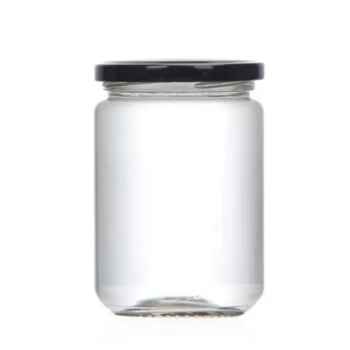
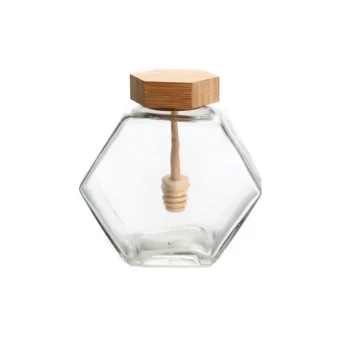
Packaging consumables serve a dual purpose in the honey industry: they act as the primary defense system for product quality and the essential mechanism for unlocking revenue potential. Specifically, items such as sealed containers and labels protect the honey’s physical and chemical stability while simultaneously elevating the product from a raw commodity to a high-value retail good.
Core Takeaway Viewing packaging merely as an expense is a strategic error; it is a necessary investment for maximizing profitability. High-quality packaging secures the product's shelf life by preventing spoilage and directly facilitates higher revenue by meeting market standards for value-added products.
Preserving Product Integrity
The first critical role of packaging consumables is strictly functional. Post-harvest honey is vulnerable to environmental factors that can degrade its quality or render it unsellable.
Preventing Moisture Absorption
Honey is naturally hygroscopic, meaning it absorbs moisture from the air. Sealed containers are the only barrier against this process.
If packaging fails to provide an airtight seal, the water content of the honey increases. This can alter the physical and chemical properties of the honey, leading to fermentation and spoilage.
Blocking Contamination
Beyond moisture, consumables provide a physical shield against external contaminants.
Proper sealing prevents dust, insects, and other foreign particulate matter from entering the product. This protection is vital for maintaining the sanitary standards required for food safety and consumer trust.
Extending Shelf Life
The combination of moisture control and contamination prevention directly results in an extended shelf life.
By stabilizing the environment inside the container, you ensure the honey remains shelf-stable for longer periods. This allows producers to store inventory and sell throughout the year, rather than being forced to liquidate stock immediately after harvest.
Driving Revenue and Profitability
Once the quality is secured, packaging consumables shift roles to become tools for economic growth. This addresses the "deep need" of turning a raw agricultural product into a profitable business asset.
Meeting Market Standards
To enter profitable retail markets, honey must look the part. Labels and professional containers are not optional extras; they are prerequisites for meeting market standards.
Retailers and consumers expect specific packaging aesthetics and informational labeling. Meeting these expectations is the first step in gaining access to high-revenue sales channels.
Increasing Added Value
Packaging is the primary vehicle for increasing added value.
Raw honey sold in bulk generally commands a lower price. By utilizing high-quality consumables, you transform that same honey into a retail-ready product. This transformation allows you to charge a premium, significantly increasing total revenue.
Maximizing Profitability
The primary reference highlights that packaging is a necessary investment.
While consumables represent an upfront cost, the return on investment is realized through higher unit prices and reduced product loss. Therefore, investing in better packaging is directly linked to maximizing the overall profitability of the beekeeping operation.
Understanding the Trade-offs
While high-quality packaging is beneficial, it introduces complexity to the business model that must be managed.
The Cost vs. Value Balance
Investing in premium packaging increases the cost of goods sold (COGS).
If the market you are selling to (e.g., bulk wholesale) does not value aesthetics, expensive labeling and glass jars may erode your margins. You must ensure that the increase in packaging cost is met with a proportional or greater increase in the final sale price.
Operational Complexity
Adding labels and sealed containers introduces new steps to the post-harvest workflow.
This requires time, labor, and potentially equipment. Producers must weigh the operational efficiency of their packaging process against the potential revenue gains.
Making the Right Choice for Your Goal
To maximize your success, align your packaging strategy with your specific business objectives.
- If your primary focus is Product Preservation: Prioritize airtight sealing capabilities in your containers to prevent moisture absorption and fermentation, regardless of the container's aesthetic appeal.
- If your primary focus is Revenue Growth: Invest in high-quality labeling and distinct containers that meet strict market standards, allowing you to position your honey as a premium, value-added product.
Packaging is not just a container; it is a strategic asset that protects your hard work and defines your profit margin.
Summary Table:
| Role of Consumables | Key Functions | Business Impact |
|---|---|---|
| Product Protection | Airtight sealing, moisture barrier, and contaminant shield | Prevents spoilage & extends shelf life |
| Market Readiness | Professional labeling and standardized container sizing | Accesses premium retail sales channels |
| Value Addition | Branding and aesthetic packaging design | Increases unit price and profit margins |
| Risk Management | Food safety compliance and inventory stabilization | Reduces waste and enables year-round sales |
Elevate Your Honey Brand with HONESTBEE
At HONESTBEE, we understand that the right packaging is a strategic investment in your honey's future. As a premier partner for commercial apiaries and distributors, we provide more than just supplies—we offer total solutions for post-harvest success.
From high-performance sealing machinery and honey-filling equipment to a comprehensive array of wholesale consumables and specialized beekeeping tools, our portfolio is designed to maximize your operational efficiency and retail value. Whether you are scaling production or refining your brand's market presence, our expert team is ready to supply the hardware and expertise you need to succeed.
Ready to transform your harvest into a high-profit retail line?
Contact Us Today to Explore Wholesale Solutions
References
- Jay Prakash Datta, Sushmita Bhatta. Economic Analysis of Honey Production in Chitwan District, Nepal. DOI: 10.3844/ajabssp.2020.132.137
This article is also based on technical information from HonestBee Knowledge Base .
Related Products
- Double Nozzle Small Honey Filling Machine Honey Sachet Packing Packaging Equipment
- Honey Stick Filler Vertical Paste Sachet Packing Machine for Honey Sachets
- Automatic Single-Dose Snap & Squeeze Honey Sachets Packing Machine
- Economy Small Honey Filling Machine Honey Bottle Filler Packaging Machine
- Small Honey Filling Machine Sachet Packing Equipment Single Nozzle
People Also Ask
- What value do retail packaging equipment and filling technologies provide in the honey distribution process? Maximize ROI
- How does industrial honey-filling machinery support Robinia pseudoacacia stands? Maximize Your Acacia Honey Yield
- What role does precision filling equipment play in cost control? Maximize Honey Profits & Market Growth
- Why is precision temperature control necessary for red honey filling? Preserve Amorpha fruticosa Color and Aroma
- How does specialized honey filling equipment contribute to honey distribution? Scale Your Wholesale Efficiency Today