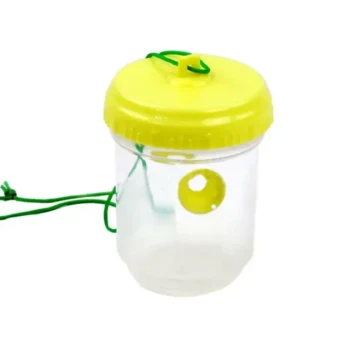
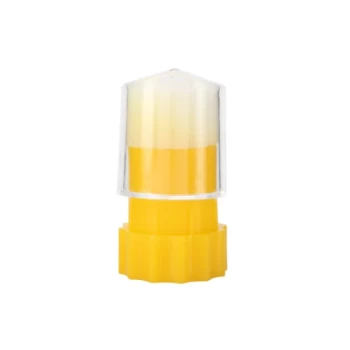
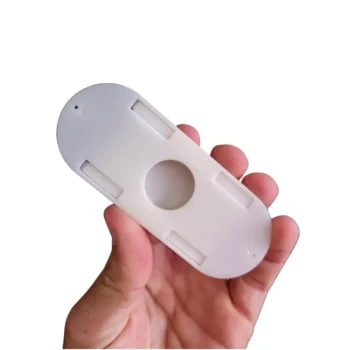
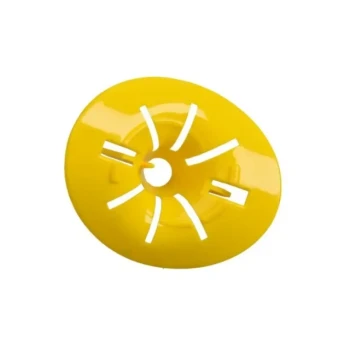
Plastic pollen catching traps serve as the primary interface for collecting environmental data via honeybees. Installed at the hive entrance, these devices utilize a physical grid to mechanically strip pollen pellets from the hind legs of returning foragers. This allows researchers to capture raw biological samples essential for analyzing atmospheric particulate matter and plant-derived pollutants.
By intercepting pollen before it enters the hive, these traps transform the colony into an active environmental sensor. They provide the physical samples required to quantify the extent of urban environmental contamination and trace the origin of pollutants.
The Mechanics of Sample Collection
The Physical Interception Method
The core mechanism of the trap is a perforated plate, typically featuring holes measuring 4.0 to 4.5 mm in diameter. This specific sizing forces the bee to squeeze through the entry, but is too narrow for the pollen loads on their legs to pass.
Harvesting the Data
As the bee navigates the grid, the pollen pellets are mechanically scraped off and fall into a secure collection tray below. This ensures the acquisition of direct, uncontaminated samples of the materials the bees have gathered from the surrounding environment.
The Biomonitoring Function
Assessing Urban Contamination
The primary role of these traps in biomonitoring is to gauge the health of the local ecosystem. Because bees forage over a wide area, the pollen they return with acts as a composite sample of the environment.
Analyzing Atmospheric Particulates
The trapped pollen allows researchers to analyze atmospheric particulate matter. Pollutants suspended in the air adhere to the pollen or the bee, and these particles are concentrated in the collection tray for study.
Tracking Plant-Derived Pollutants
Beyond air quality, these traps facilitate the detection of contaminants directly associated with local flora. By analyzing the collected pellets, researchers can identify plant-derived pollutants and perform plant origin analysis to map where the contamination is coming from.
Understanding the Trade-offs
Specificity of the Trap
It is critical to distinguish between exposure data and impact data. Pollen traps excel at measuring what the bees are exposed to (pollen and external pollutants). They do not, however, measure the physiological impact on the bee itself, such as mortality rates.
Data Validation
For a complete picture of colony health, pollen traps are often distinct from specialized dead bee traps. While pollen traps monitor the environment (inputs), dead bee traps monitor mortality (outcomes), such as deaths caused by pesticide exposure or pathogens.
Making the Right Choice for Your Goal
To select the correct biomonitoring protocol, you must define the specific data point you wish to isolate.
- If your primary focus is Environmental Contamination: Use plastic pollen catching traps to collect particulate matter and analyze pollutants present in the foraging radius.
- If your primary focus is Colony Mortality: Utilize specialized dead bee traps to quantify death rates and evaluate the physiological impact of pesticides or pathogens.
Biomonitoring is most effective when the physical collection method aligns precisely with the specific environmental variable you intend to measure.
Summary Table:
| Feature | Function in Biomonitoring |
|---|---|
| Mechanism | 4.0 - 4.5 mm perforated plate for mechanical pollen stripping |
| Sample Source | Raw pollen pellets from foragers within a wide radius |
| Data Type | Exposure data: atmospheric particulates & plant pollutants |
| Application | Urban contamination assessment & plant origin analysis |
| Limitation | Monitors environmental inputs, not bee mortality rates |
Elevate Your Beekeeping Operation with HONESTBEE
At HONESTBEE, we specialize in empowering commercial apiaries and distributors with the professional tools needed for success. Whether you are conducting sophisticated environmental biomonitoring or scaling up honey production, our comprehensive wholesale portfolio has you covered.
Our Value to You:
- Precision Equipment: From high-quality plastic pollen traps to specialized hive-making and honey-filling machinery.
- Complete Supply Chain: A full spectrum of beekeeping tools and essential industry consumables.
- Cultural Merchandise: Unique honey-themed products to diversify your retail offering.
Ready to enhance your efficiency and data collection capabilities? Contact us today to explore our wholesale solutions and see how we can support your growth!
References
- Milica Jovetić, Dušanka Milojković‐Opsenica. Urban honey - the aspects of its safety. DOI: 10.2478/aiht-2018-69-3126
This article is also based on technical information from HonestBee Knowledge Base .
Related Products
- Plastic Bee Pollen Trap Strips Comb Catcher Collector
- 30 cm Plastic Entrance Hole Bee Pollen Trap and Collector
- Removable Plastic Pollen Trap With Ventilated Tray for Bees Pollen Collector
- Plastic Beetle Blaster Trap Beekeeping Tools and Supplies
- Black Plastic Beetle Barn Hive Beetle Trap for Beehives
People Also Ask
- For what reasons do beekeepers collect bee pollen? Boost Hive Health and Unlock New Revenue Streams
- What are the design principles and advantages of pollen traps in the collection of bee pollen? Boost Your Apiary Yield
- What are the ideal weather conditions for installing a bee pollen trap? Ensure Colony Safety with Expert Timing
- Why is frequent harvesting of bee pollen from traps necessary for quality control? Ensure Freshness and Prevent Mold.
- How often should bee pollen be harvested from a trap and why? Master Freshness and Prevent Spoilage