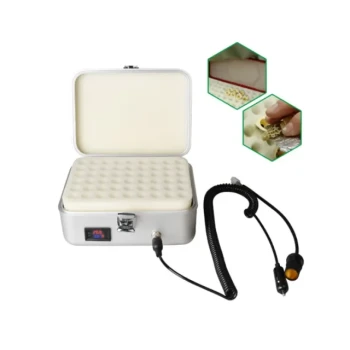
Professional artificial insemination instruments serve as the foundational mechanism for precise, controlled mating in honey bee breeding programs. By mechanically introducing semen from specific drones into a queen, these tools eliminate the randomness of open-air mating, ensuring that the genetic source is both traceable and exact. This precision allows breeders to establish accurate pedigree records and conduct efficient selection for superior traits without environmental interference.
Core Takeaway: Natural honey bee mating is inherently random and difficult to track. Artificial insemination instruments invert this dynamic, providing the absolute control necessary to calculate precise genetic parameters and maintain high-accuracy pedigree records for scientific and commercial advancement.
Achieving Absolute Genetic Traceability
The primary function of these instruments is to transform breeding from a game of chance into a data-driven science.
Establishing High-Accuracy Pedigrees
In natural settings, a queen mates with multiple drones from unknown colonies. Artificial insemination allows the breeder to know the exact identity of the paternal line.
This creates a "closed population" where every genetic input is accounted for. Consequently, breeders can maintain rigorous pedigree records that map the lineage of every bee in the program.
Calculating Genetic Parameters
Once pedigree data is secured, breeders can perform advanced statistical analysis. The instrument enables the calculation of precise genetic parameters, predicting how specific traits will pass to the next generation.
This analytical capability is impossible with natural mating, where the drone's genetics are a variable rather than a constant.
Eliminating Environmental Interference
Professional instruments remove the reliance on geography and luck, standardizing the breeding environment.
Bypassing Open-Air Variables
Natural mating requires specific weather conditions and the presence of drones in the open air. Instrumental insemination moves this process into a controlled laboratory setting.
This eliminates the risk of "foreign" drones from unmanaged colonies introducing undesirable genetics into your line.
Overcoming Geographic Limitations
Historically, pure breeding required physical isolation, such as remote islands or high mountain valleys. Artificial insemination renders these logistical hurdles obsolete.
Technicians can now perform selective breeding in any location, significantly reducing the costs and risks associated with transporting colonies to isolated mating stations.
Specialized Applications in Breeding
Beyond basic lineage tracking, these instruments enable sophisticated manipulation of genetic traits for specific outcomes.
Enhancing Commercial Traits
Breeders use these tools to isolate and amplify commercially valuable characteristics. By controlling the cross, they can aggressively select for high productivity or resistance to pests like the Varroa mite.
Preserving Indigenous Lineages
For biodiversity conservation, the instrument is a critical defense against hybridization. It allows for the maintenance of pure subspecies by preventing genetic pollution from non-native bees.
Precision in Research
High-end instruments allow for micro-adjustments in semen volume, such as 1 microliter for single-drone insemination versus 10 microliters for multi-drone pools. This allows researchers to study how insemination volume specifically impacts queen physiology and colony behavior.
Understanding the Trade-offs
While artificial insemination provides control, it introduces technical complexities that natural mating does not possess.
Technical Expertise Required
This is not a passive process; it requires high-precision microscopes and micro-injection systems. The operator must possess significant skill to ensure the precise transmission of genetic traits without injuring the queen.
Biological Nuance
While you gain genetic control, you bypass the natural "fitness test" of the mating flight. Breeders must be vigilant to ensure that the selected drones are physically vital, as the instrument bypasses the natural competition that usually weeds out weaker drones.
Strategic Considerations for Your Program
The value of an artificial insemination instrument depends on the specific goals of your breeding operation.
- If your primary focus is Pedigree Analysis: The instrument is essential for establishing the traceable records needed to calculate genetic parameters and track lineage accurately.
- If your primary focus is Conservation: Use the instrument to ensure the purity of indigenous subspecies by preventing hybridization with non-native lines.
- If your primary focus is Commercial Production: Leverage the tool to combine specific traits, such as disease resistance and honey production, into a stable breeding line.
By replacing environmental chaos with mechanical precision, artificial insemination instruments empower breeders to dictate the future of their colonies rather than simply hoping for the best.
Summary Table:
| Feature | Natural Mating | Artificial Insemination |
|---|---|---|
| Genetic Source | Random / Unknown | Precise / Traceable |
| Pedigree Accuracy | Low (Multiple drones) | Absolute (Controlled selection) |
| Environmental Control | Weather & Geography dependent | Lab-controlled / Any location |
| Genetic Purity | Risk of hybridization | Guaranteed line purity |
| Application | Commercial production | Research, conservation & breeding |
Elevate Your Breeding Precision with HONESTBEE
As a professional in the beekeeping industry, you understand that precise genetic control is the cornerstone of a successful commercial operation or conservation program. At HONESTBEE, we empower commercial apiaries and distributors by providing the industry's most reliable artificial insemination instruments, specialized hive-making machinery, and comprehensive beekeeping tools.
Whether you are looking to calculate exact genetic parameters or seeking a bulk supply of high-quality consumables, our portfolio is designed to enhance your efficiency and scientific accuracy. Partner with HONESTBEE to secure the future of your colonies.
Contact Us Today to Discuss Your Wholesale Needs
References
- Tristan Kistler, Florence Phocas. Heritability and correlations for honey yield, handling ease, brood quantity, and traits related to resilience in a French honeybee population. DOI: 10.1007/s13592-024-01088-2
This article is also based on technical information from HonestBee Knowledge Base .
Related Products
- Queen Bee Artificial Insemination Instrument Equipment for Instrumental Insemination
- Stainless Steel Beekeeping Queen Grafting Tool for Honey Bee Rearing
- Plastic Beekeeping Honey Bee Larvae Grafting Tools for Queen Rearing and Chinese Grafting
- Plastic Handle Single Row Artificial Fiber Bee Brush
- Professional Stainless Steel Pry-Bar Hive Tool
People Also Ask
- Why is maintaining sanitary conditions important during artificial insemination? Protect Your Queen from Fatal Infections
- Why are artificial insemination instruments critical in bee hybridization? Master Genetic Control & Pure Breeding
- What is the core value of bee artificial insemination instruments in breed improvement? Achieve Precise Genetic Control
- Why is professional bee artificial insemination equipment considered a core tool for genetic control in honeybee breeding? Ensure 100% Purity
- Why is high-purity CO2 used for queen bee artificial insemination? Unlock Precision Breeding & Faster Egg-Laying