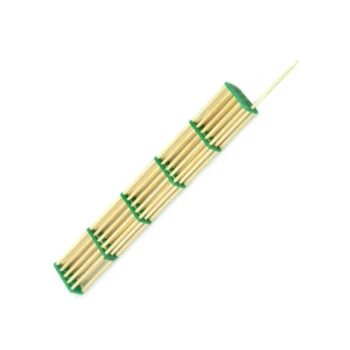
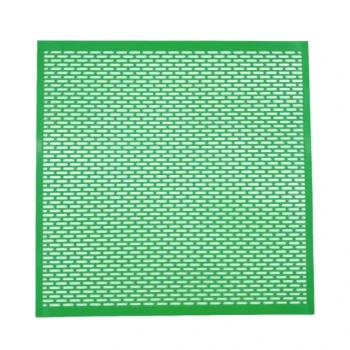
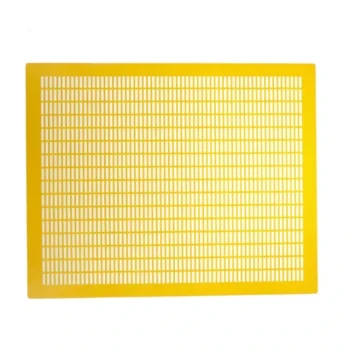
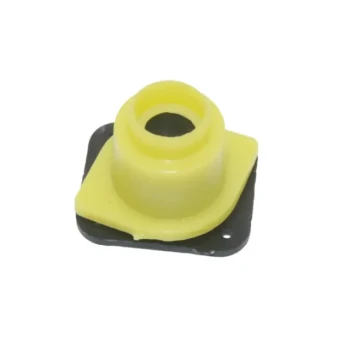
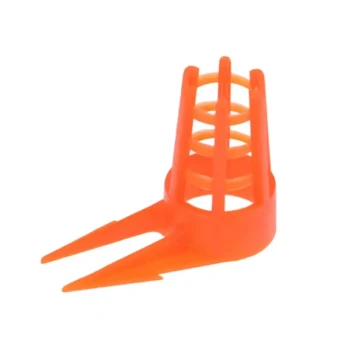
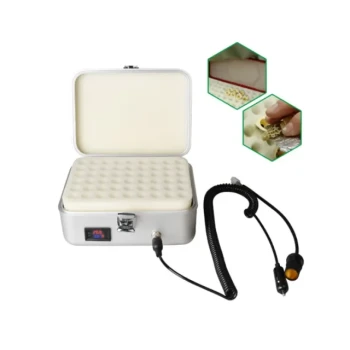
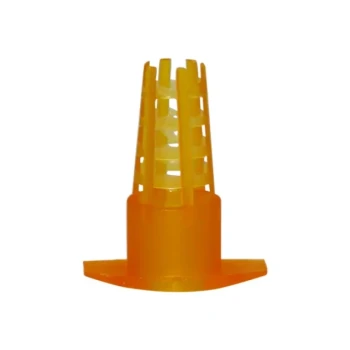
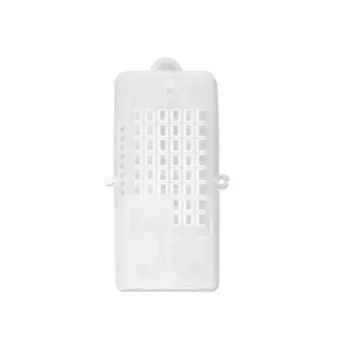
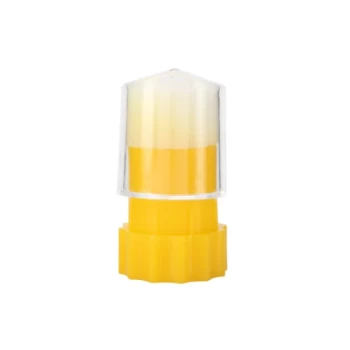
Queen isolation devices act as a mechanical "circuit breaker" for the reproductive cycle of Varroa mites. By physically restricting the queen bee's ability to lay eggs, these tools artificially induce a broodless period, depriving mites of the capped larvae cells they require to reproduce.
By halting brood production, these devices force all parasitic mites out of the safety of capped cells and onto adult bees. This exposure renders the mite population highly vulnerable to treatment, transforming a biological control method into a force multiplier for pest management.
The Mechanics of the Artificial Brood Break
Starving the Reproductive Cycle
Varroa mites are biologically dependent on capped brood cells to breed. When isolation devices restrict the queen's egg-laying space or timing, the colony eventually runs out of larvae to cap.
Without this specific habitat, the mite's reproductive chain is physically severed. They cannot reproduce without a host larva in a capped cell.
Forcing the Phoretic Phase
When the brood is removed, mites have nowhere to hide. They are forced to migrate onto the bodies of adult worker bees.
This state is known as the phoretic phase. It is a moment of high vulnerability for the mite, as they are no longer shielded by the wax capping of a brood cell.
Long-Term Reproductive Damage
Research indicates that the impact of isolation extends beyond the isolation period itself.
Even after the queen is released and resumes egg-laying, the surviving mites often exhibit an increased sterility rate. This suggests that the interruption degrades their biological ability to reproduce successfully in the future.
Enhancing Treatment Efficacy
Creating a Vulnerability Window
In a standard colony, a large percentage of mites are hidden inside capped cells, safe from many treatments.
By creating an artificial broodless period, you force nearly 100% of the mite population into the open. This creates a specific time window where the mites are fully exposed to the environment of the hive.
Synergizing with Soft Miticides
This exposure is critical for Integrated Pest Management (IPM). It allows for the use of soft miticides, such as oxalic acid or other contact-based treatments.
Because the mites are exposed, these treatments achieve significantly higher kill rates than they would in a colony with brood. This allows beekeepers to reduce their dependence on harsh chemical acaricides.
Precision Monitoring and Management
Controlled Brood concentration
Specific tools, such as frame-type excluders, can restrict the queen to a single comb rather than stopping her laying entirely. This technique creates "concentrated brooding."
Accurate Infestation Data
By forcing mites to congregate in these specific brood frames, researchers and beekeepers can calculate the average infestation rate per cell with high precision. This data is essential for determining exactly when and how frequently to apply treatments.
Understanding the Trade-offs
Colony Population Stagnation
The most obvious trade-off is the interruption of the colony's growth. By stopping the queen from laying, you are creating a future gap in the workforce of the hive.
Timing is Critical
The isolation period must be timed perfectly. If done during a major nectar flow or immediately before winter, the lack of new bees could weaken the colony at a critical moment.
Making the Right Choice for Your Goal
How you utilize these devices depends on your specific objective within your apiary management plan.
- If your primary focus is maximizing treatment kill rates: Use isolation cages to create a total brood break, then apply a contact miticide (like oxalic acid) once the colony is broodless.
- If your primary focus is reducing chemical use: Rely on the isolation period to naturally break the reproductive cycle and increase mite sterility, using soft treatments only as a cleanup measure.
- If your primary focus is data and monitoring: Use frame restrictions to concentrate the brood, allowing you to sample specific frames for accurate infestation metrics.
Ultimately, queen isolation devices function by turning the Varroa mite's biological dependence on brood against itself.
Summary Table:
| Mechanism | Impact on Varroa Mites | Benefit to Beekeeper |
|---|---|---|
| Brood Break | Starves reproductive cycle by removing larvae | Naturally reduces mite population growth |
| Phoretic Phase | Forces mites out of capped cells onto adult bees | Increases mite vulnerability to contact treatments |
| Mite Sterility | Disrupts long-term biological reproductive health | Lowers future infestation rebound rates |
| Concentration | Traps mites in a single 'sacrifice' brood frame | Allows for precision monitoring and targeted removal |
Maximize Your Colony Health with HONESTBEE Professional Solutions
Take control of your apiary's health by integrating biological Varroa management with premium hardware. HONESTBEE provides commercial apiaries and distributors with high-performance beekeeping tools, from precision queen isolation cages to industrial honey-filling machines and hive-making equipment.
Our comprehensive wholesale offering is designed to scale your operations and improve mite treatment efficacy. Let us help you optimize your production with specialized machinery and essential industry consumables.
Contact HONESTBEE today to upgrade your apiary equipment
References
- Yoshiko Sakamoto. Latest Information on the Ecology of the Ectoparasitic Mite <i>Varroa destructor</i>(Mesostigmata: Varroidae)and the Resistance of Its Host, Honey Bees(Hymenoptera: Apidae). DOI: 10.1303/jjaez.2021.71
This article is also based on technical information from HonestBee Knowledge Base .
Related Products
- Professional Bamboo Queen Isolation Cage
- Wooden Queen Bee Excluder for Beekeeping
- High Performance Plastic Queen Excluder for Beekeeping and Apiary Management
- Premium Wood Framed Metal Wire Queen Bee Excluder
- Metal Queen Bee Excluder for Beekeeping
People Also Ask
- Why are specialized queen bee cages used for the banking of mated queen bees? Maximize Commercial Apiary Storage Efficiency
- What is the mechanism of action for using temporary queen bee cages? Master Successful Queen Introduction
- How does the side ventilation design of a queen bee cage impact the safety of the queen during long-distance transport?
- What should you do if the queen is still in the cage and the worker bees have not accepted her? Protect Your Colony from Queen Rejection
- What technical precaution must be taken regarding the mesh or grill side of a queen bee cage? Ensure Queen Survival