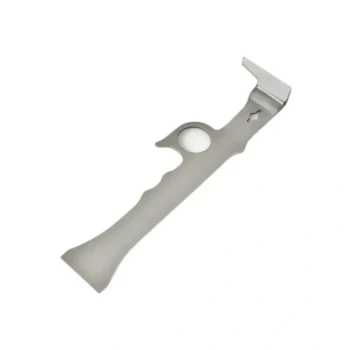
Specialized beekeeping tools serve as critical hardware support for stabilizing commercial bee populations. They function primarily by enhancing management efficiency and monitoring precision, which allows apiaries to proactively mitigate pressures from mites, pathogens, and environmental fluctuations. By ensuring the health of these colonies, this equipment underpins the continuity of essential pollination services and the global food supply chain.
The decline of commercial bee populations is a biological crisis that requires an infrastructural solution. High-performance equipment bridges the gap between environmental stressors and colony survival by enabling scientific, precise, and safe management at scale.
Enhancing Operational Precision and Disease Control
Enabling Proactive Monitoring
Advanced tools allow for rigorous, often non-invasive, hive inspections. This precision is vital for identifying the early signs of Colony Collapse Disorder (CCD) and other health issues before they become irreversible.
Combating Pathogens and Parasites
Commercial apiaries face constant threats from mites and pathogens. Specialized equipment facilitates the precise application of treatments and management strategies, preventing these pressures from decimating colony numbers.
Analyzing Regional Trends
In areas where official biological data is scarce, the distribution and sales records of beekeeping equipment serve as a proxy for tracking beekeeping intensity. Researchers use this "flow of tools" to build models that correlate human activity with genetic variations in local bee populations.
Strengthening Colony Genetics and Reproduction
Optimizing Queen Rearing
Professional queen rearing equipment allows beekeepers to select and breed queens with specific traits, such as disease resistance and environmental adaptability. This technology-driven approach ensures the colony’s reproductive cycle remains intact, safeguarding against structural disintegration.
Infrastructure-Driven Population Growth
Modern commercial beehives provide an optimized environment for reproduction and survival. This infrastructure supports a rapid increase in population density and significantly increases the number of natural swarms produced annually.
Recovery from Environmental Disturbances
Robust hive infrastructure allows honey bee populations to maintain high adaptability. This enables colonies to recover and dominate local floral resources even after severe disturbances, such as forest fires or logging.
Mitigating Environmental and Nutritional Stress
Stabilizing Nutrition During Scarcity
Specialized feeding systems are essential for precise delivery of supplemental feed. These tools ensure colony survival during winter or periods of nectar scarcity, mitigating the impact of climate fluctuations on population numbers.
Ensuring Healthy Spring Development
By regulating nutritional intake through technical feeding systems, apiaries can guarantee strong development in the spring. This establishes the foundation for a productive season regardless of poor weather conditions.
Enabling Human Intervention Through Safety
Reducing Operational Risk
Protective equipment, such as specialized suits, provides a necessary physical barrier for workers. This safety encourages more frequent and thorough inspections, allowing operators to implement pest control measures without the risk of injury.
Managing Aggressive Traits
In regions with defensive or Africanized bee populations, professional protective gear is indispensable. It allows technicians to maintain production schedules and quality standards, ensuring that even difficult-to-manage colonies are not abandoned or neglected.
Understanding the Trade-offs
Equipment is Support, Not a Cure
While specialized tools significantly enhance management, they cannot single-handedly reverse environmental degradation or pesticide exposure. They are mitigation devices, not root-cause solutions.
The Necessity of Human Expertise
High-performance equipment requires skilled operation to be effective. Without scientifically literate technicians to interpret monitoring data or utilize breeding tools, the hardware alone provides diminishing returns.
Strategic Application for Apiary Management
To effectively utilize these tools in addressing population decline, align your equipment choices with your specific operational challenges:
- If your primary focus is Pest and Disease Management: Prioritize monitoring tools and precision application hardware to detect and treat mites or pathogens before they collapse the colony.
- If your primary focus is Long-Term Resilience: Invest in professional queen rearing equipment to breed colonies with superior genetic resistance and environmental adaptability.
- If your primary focus is Survival During Climate Instability: Implement specialized feeding systems to maintain population density during unseasonal weather or nectar dearths.
Ultimately, the survival of commercial bee populations depends on shifting from passive observation to active, technology-supported stewardship.
Summary Table:
| Tool Category | Role in Addressing Decline | Impact on Commercial Apiaries |
|---|---|---|
| Monitoring Tools | Early detection of CCD & pathogens | Prevents irreversible colony loss through proactive care |
| Queen Rearing Gear | Selective breeding for resistance | Enhances genetic resilience against environmental stressors |
| Feeding Systems | Precise nutritional supplementation | Ensures survival during winter and nectar scarcity |
| Disease Control Hardware | Targeted treatment application | Mitigates mite and parasite pressures at scale |
| Protective Equipment | Facilitates frequent hive inspections | Enables safe, thorough management of aggressive colonies |
Secure Your Apiary’s Future with HONESTBEE
At HONESTBEE, we understand that high-performance hardware is the backbone of colony survival. We cater specifically to commercial apiaries and distributors, providing a comprehensive wholesale range designed to combat the challenges of modern beekeeping.
Our portfolio includes everything you need to stabilize and grow your bee populations:
- Precision Machinery: Specialized hive-making and honey-filling machines for operational efficiency.
- Essential Hardware: Professional-grade beekeeping tools and queen rearing equipment for genetic resilience.
- Consumables & Merchandise: A full spectrum of industry essentials and honey-themed cultural goods.
Partner with us to bridge the gap between environmental stressors and colony success. Contact us today to discuss our wholesale offerings and how we can support your large-scale beekeeping operations.
References
- Richard J. Wenning. The Status of Pollinators. DOI: 10.1897/1551-3793(2007)3[309:tsop]2.0.co;2
This article is also based on technical information from HonestBee Knowledge Base .
Related Products
- HONESTBEE 15-in-1 Beekeeper Multi-Tool with Hammer and Pliers for Beekeeping
- HONESTBEE Professional Mini J-Hook Hive Tool for Beekeeping
- HONESTBEE Advanced Ergonomic Stainless Steel Hive Tool for Beekeeping
- Stainless Steel Queen Grafting Tool for Beekeeping and Bee Queen Grafting
- HONESTBEE Classic Pry Bar Hive Tool with High Visibility Finish for Beekeeping
People Also Ask
- What is the recommended method for storing beekeeping tools? Expert Vertical Storage Solutions for Your Apiary
- How does a favorable microclimate interact with beekeeping tools? Boost Overwintering Success and Equipment Longevity
- Why is the treatment of beekeeping tools with high-concentration chemical disinfectants necessary for preventing AFB?
- Why are specialized beekeeping tools and consumables essential? Enhance Colony Management and Honey Yield Today
- How do specialized beekeeping tools and high-specification protective equipment assist in colony health management?