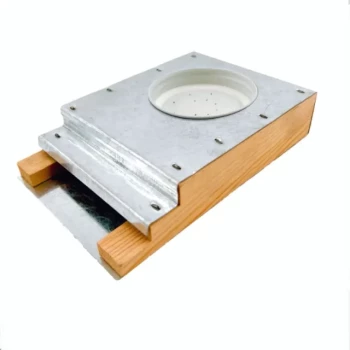
Specialized feeding devices serve as the accelerator for early colony development. By utilizing tools like internal wooden troughs or wrapped feeding slots, beekeepers can deliver supplemental syrup and bee bread to the hive before natural resources exist. This precise mechanical intervention is critical for stimulating the queen’s egg-laying activity and ensuring the colony has sufficient vitality to capitalize on the season.
The ultimate goal of these devices is timing: they allow you to artificially synchronize the colony's peak population size with the blooming of major nectar plants to maximize honey yields.
The Strategic Purpose of Early Feeding
Stimulating the Queen
The primary function of internal feeding devices is to mimic a natural nectar flow. When the colony senses a consistent influx of resources, it signals safety and abundance to the queen.
This artificial abundance triggers the queen to begin intensive egg-laying. Without this stimulation, the colony would delay expansion until natural blooms appear, losing valuable time.
Aligning with the Nectar Flow
Honey production depends entirely on having a massive workforce ready at the right moment.
By feeding early, you ensure the brood cycle advances ahead of the season. This guarantees the colony reaches peak foraging capacity exactly when major nectar-producing plants begin to bloom.
Enhancing Worker Vitality
Early spring bees are often aging winter survivors. Supplemental feeding provides the energy and protein required to transition the colony workforce.
Feeding devices ensure these bees have the nutrition needed to rear the new generation of foragers that will gather the seasonal harvest.
Operational Mechanics
Delivering Complete Nutrition
Internal wooden troughs are effective because they can accommodate different types of feed.
They allow for the delivery of high-energy syrup to fuel adult bees and bee bread (protein) essential for developing larvae. This dual support covers both immediate energy needs and long-term growth requirements.
Bridging the Resource Gap
Early spring is often characterized by volatile weather and resource scarcity.
These devices act as a bridge during periods of cold or nectar dearth. They prevent the colony from stalling its brood-rearing cycle or facing starvation before the weather stabilizes.
Understanding the Trade-offs
The Risk of Timing
Success with specialized feeding devices relies on precision.
If you stimulate the colony too early, you may have a massive population with no natural food sources, leading to rapid resource depletion. If you feed too late, the population peak will miss the main nectar flow.
Maintenance Requirements
Artificial feeding is not a "set and forget" method.
Rapidly growing colonies consume supplements aggressively. Beekeepers must monitor the troughs constantly to ensure the supply does not run out, which could cause the colony to cannibalize brood to survive.
Optimizing Your Spring Management Strategy
To effectively use internal feeding devices, assess your specific objectives for the season:
- If your primary focus is maximizing honey yield: Begin stimulative feeding with syrup and bee bread well before the main bloom to ensure a maximum population of foragers is ready for the harvest.
- If your primary focus is colony survival: Use feeding troughs to provide maintenance rations during early spring cold snaps to prevent starvation and support basic brood rearing.
By treating these devices as precision timing tools rather than simple food containers, you actively engineer the success of your honey season.
Summary Table:
| Feature | Role in Spring Management | Impact on Colony Success |
|---|---|---|
| Queen Stimulation | Mimics natural nectar flow with supplemental syrup | Triggers early and intensive egg-laying activity |
| Timing Alignment | Synchronizes workforce peak with floral blooms | Maximizes honey collection during major nectar flows |
| Nutrition Delivery | Provides high-energy syrup and protein-rich bee bread | Enhances worker vitality and larval development |
| Resource Bridging | Supplies feed during early spring cold snaps | Prevents colony starvation and brood cycle stalling |
Supercharge Your Commercial Apiary with HONESTBEE
Maximize your honey production and ensure colony resilience with professional-grade beekeeping solutions. At HONESTBEE, we specialize in supporting commercial apiaries and distributors with a comprehensive wholesale range designed for efficiency and scale.
Our portfolio includes:
- Precision Feeding Systems: High-quality feeding troughs and tools to accelerate spring development.
- Advanced Machinery: State-of-the-art hive-making and honey-filling machines to streamline your operations.
- Full Spectrum Equipment: From essential consumables to specialized hardware and honey-themed cultural merchandise.
Partner with us to gain a competitive edge in the beekeeping industry. Contact HONESTBEE today to discuss your wholesale needs and discover how our equipment can transform your seasonal yields!
References
- Hasan Vural, Süleyman Karaman. Socio-economic analysis of beekeeping and the effects of beehive types on honey production. DOI: 10.5897/ajar09.655
This article is also based on technical information from HonestBee Knowledge Base .
Related Products
- Boardman Entrance Bee Feeder Durable Galvanized Steel and Wood Construction for Beekeeping
- Professional In-Hive Bee Feeder HONESTBEE Frame for Beekeeping
People Also Ask
- What types of bee feeders are available for beginners? Start with the Simple Entrance Feeder
- How does a bee entrance feeder work? A Simple Guide to Convenient Hive Feeding
- What is a bee entrance feeder and what are its drawbacks? Essential Guide to Hive Security and Feeding Efficiency
- What are the advantages and disadvantages of using an entrance feeder for bees? Balance Convenience and Hive Security.
- How to make an entrance feeder for bees? A DIY Guide for Safe & Effective Feeding