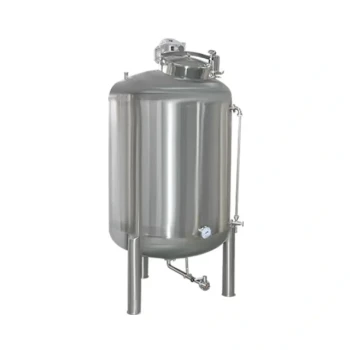
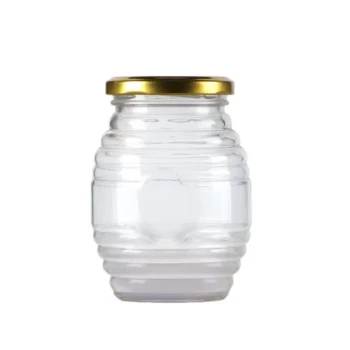
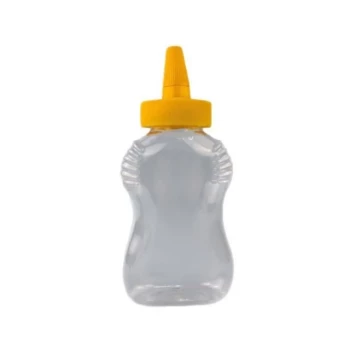
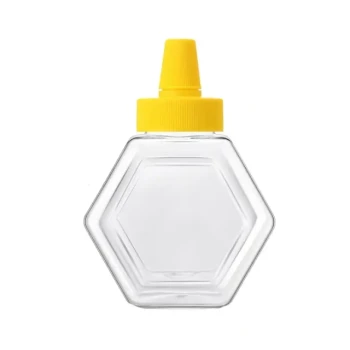
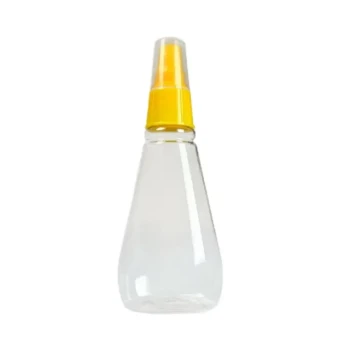
Specialized honey containers function as essential hardware that serves a dual purpose: acting as durable material carriers during harvest and as sophisticated protective barriers during transit. By utilizing superior sealing properties and food-grade materials, these containers prevent moisture absorption, oxidation, and contamination, thereby securing the honey's original biochemical profile and commercial value.
Core Takeaway: The primary value of specialized containers lies in their ability to hermetically seal honey against its two greatest enemies: moisture and oxidation. This protection is not merely about storage; it is a critical economic safeguard that prevents fermentation and maintains marketability during high-altitude or long-distance logistics.
Preserving Chemical and Commercial Integrity
The fundamental role of these containers is to maintain the honey's state as it existed in the hive.
The Barrier Against Hygroscopy
Honey is highly hygroscopic, meaning it naturally attracts and absorbs moisture from the surrounding atmosphere.
Without a specialized seal, honey will absorb water until its moisture content rises enough to trigger fermentation.
Specialized containers provide an industrial-grade seal that isolates the product, ensuring the moisture content remains stable and spoilage is prevented.
Preventing Oxidation and Flavor Loss
Exposure to air facilitates oxidation, which degrades the honey's flavor profile and darkens its color over time.
Sealed containers create an anaerobic environment that preserves the honey’s original biochemical indicators.
This isolation also prevents the absorption of external odors, which can ruin the delicate aromatic nuances required for high-end markets.
Chemical Inertness
Unlike general-purpose vessels, specialized containers are manufactured from chemically inert materials, such as food-grade stainless steel or high-density synthetics.
Honey is naturally acidic; standard metal containers can react with it, leading to chemical migration and contamination.
Inert materials ensure that the purity and medicinal value of the honey remain intact, preventing physical or chemical changes during long-term storage.
Optimizing Logistics and Supply Chain Operations
Beyond chemistry, these containers act as critical infrastructure for the physical movement of goods.
Durability in Harsh Conditions
Transporting honey often involves high-altitude routes or long-distance travel from remote apiaries.
Durable, food-grade construction reduces the risk of physical breakage and product loss during these rigorous journeys.
This durability is essential for minimizing economic leakage caused by leakage or structural failure.
Standardization for Efficiency
Specialized containers are designed with uniform dimensions, facilitating efficient stacking, storage, and logistics handling.
This standardization integrates seamlessly with processing equipment and inventory management systems.
It also supports traceability requirements, acting as a consistent medium for product identification in contract-based production models.
Understanding the Trade-offs
While specialized containers offer superior protection, they present specific operational considerations.
Initial Capital Investment
High-quality, food-grade vessels—particularly stainless steel—represent a significantly higher upfront cost compared to recycled or general-purpose plastic drums.
Producers must weigh this initial expense against the potential long-term losses associated with spoilage or downgraded product quality.
Weight and Return Logistics
Durable, industrial-grade containers are often heavier and bulkier than disposable alternatives.
This can increase fuel costs during transport and complicates reverse logistics, as empty containers must be returned, cleaned, and sterilized for reuse.
Making the Right Choice for Your Goal
Selecting the correct containment strategy depends on your specific position in the supply chain.
- If your primary focus is long-distance transport: Prioritize containers with industrial-grade sealing and high durability to prevent fermentation and physical loss during transit.
- If your primary focus is high-end retail or export: Select containers made of chemically inert materials (like stainless steel) to guarantee zero flavor alteration or chemical migration.
- If your primary focus is operational efficiency: Invest in standardized, stackable designs to streamline inventory management and meet strict traceability protocols.
Success in post-harvest management ultimately relies on viewing containers not as simple storage, but as the primary insurance policy for your product's quality.
Summary Table:
| Feature | Function | Economic Benefit |
|---|---|---|
| Hygroscopic Barrier | Prevents moisture absorption and fermentation | Eliminates spoilage and product loss |
| Oxidation Shield | Maintains original flavor and color profile | Protects premium market pricing |
| Chemical Inertness | Prevents reactions with honey's natural acidity | Ensures purity and safety standards |
| Standardized Design | Facilitates stacking and logistics tracking | Reduces labor and transport costs |
| Structural Durability | Resists breakage during high-altitude transit | Minimizes leakage and physical wastage |
Maximize Your Harvest's Value with HONESTBEE
Preserving the integrity of your honey from hive to market requires more than just storage; it requires professional-grade infrastructure. At HONESTBEE, we empower commercial apiaries and distributors with high-performance beekeeping tools, specialized honey-filling machinery, and durable storage solutions designed for the rigors of global logistics.
Whether you are scaling up production or streamlining your wholesale distribution, our comprehensive portfolio—from hardware to industry consumables—ensures your product maintains its premium status. Contact our experts today to discover how our tailored equipment solutions can optimize your supply chain and protect your bottom line.
References
- Ayantu Desalegn, Adeba Gemechu Gobena. Factors Affecting Honey Marketed Surplus of Beekeepers in Gera District of Oromia State, Ethiopia. DOI: 10.7176/fsqm/110-03
This article is also based on technical information from HonestBee Knowledge Base .
Related Products
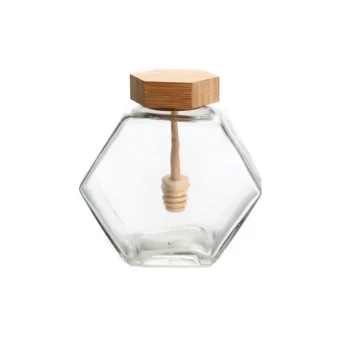
- Hexagonal Glass Honey Jar with Wooden Lid Integrated Dipper Elegant Functional Storage
- Classic Honey Bear Jars with Flip Top Dispensing Cap for Liquid Sweeteners
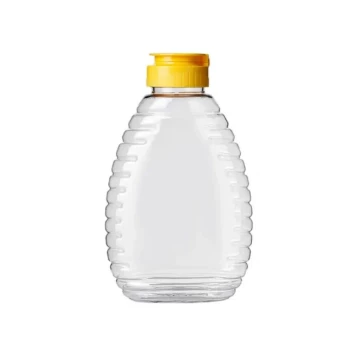
- Squeezable No-Drip Beehive-Shaped Honey Jars with Flip-Top Cap
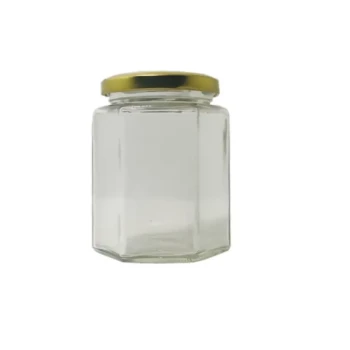
- Hexagonal Glass Honey Jars with Metal Lug Caps Elegant Versatile Packaging
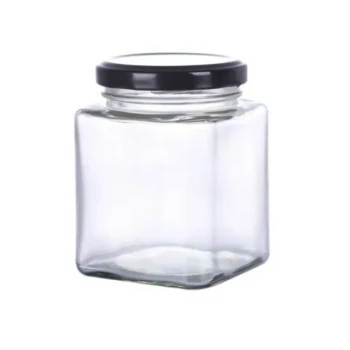
- Modern Square Glass Honey Jar with Twist Off Lid
People Also Ask
- What are the benefits of glass jars regarding strength and safety for storing honey? Ensure Purity and Long-Term Quality
- What are the advantages of using glass jars for honey storage? Ensure Purity and Premium Appeal for Your Product
- What is the aesthetic appeal of using glass jars for honey? Elevate Your Brand with Premium Packaging
- What are the advantages of glass containers for honey? Elevate Quality and Market Value with Premium Packaging
- What are the benefits of using high-transparency Glass Jars for honey? Elevate Purity and Premium Branding