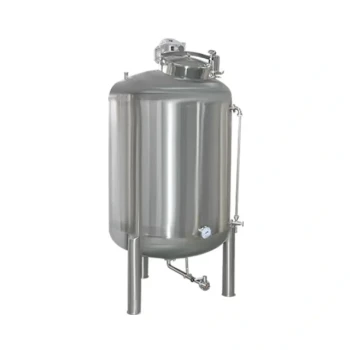
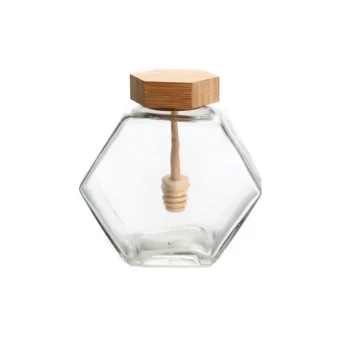
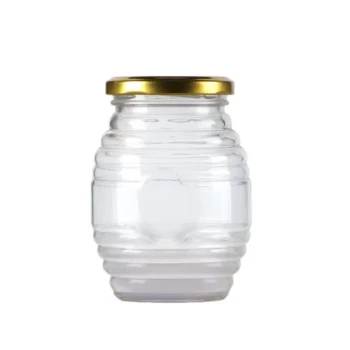
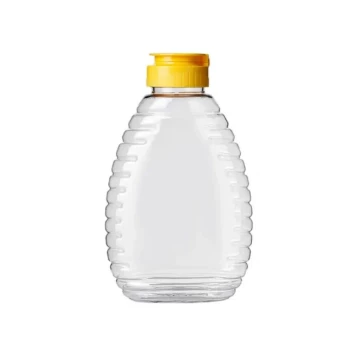
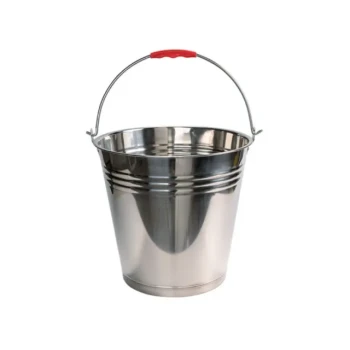
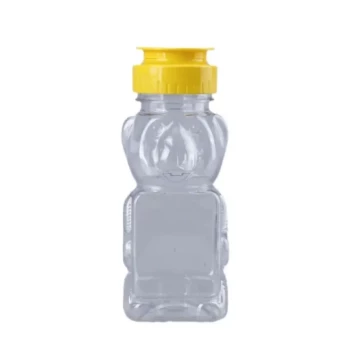
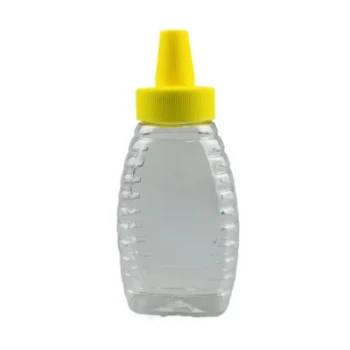
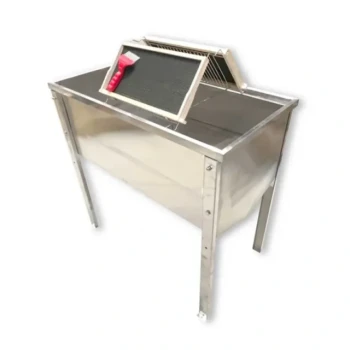
Specialized honey storage containers are the critical physical interface between raw production and commercial processing. By utilizing food-grade materials and superior sealing mechanisms, these vessels actively prevent oxidation, moisture absorption, and contamination during transport from remote apiaries. Beyond simple storage, they act as essential compliance tools in contract-based production models, ensuring that honey meets the rigorous traceability and quality standards required for market entry.
In contract-based production models, standardized containers are not merely storage vessels but essential consumables that ensure compliance with strict quality standards and enable rigorous supply chain traceability.
Preserving Chemical Integrity and Quality
The primary technical function of specialized containers is to maintain the honey's complex chemical profile against environmental threats.
Combating Hygroscopy and Fermentation
Honey is naturally hygroscopic, meaning it aggressively absorbs moisture from the surrounding air. If the water content rises too high, natural yeasts in the honey will trigger fermentation, ruining the batch. Specialized containers provide a hermetic seal that completely isolates the product from ambient humidity, ensuring the moisture content remains stable from the hive to the processing plant.
Preventing Oxidation and Contamination
Exposure to oxygen and external odors can degrade the flavor profile and nutritional value of honey. Specialized vessels utilize superior sealing technologies to prevent oxidation, which can darken the honey and alter its taste. Furthermore, the seals prevent the absorption of external environmental odors that could taint the product during long-haul transport.
Ensuring Chemical Inertness
Honey is acidic by nature. Standard storage vessels often degrade or leach chemicals when in prolonged contact with acidic substances. Specialized containers are manufactured from chemically inert food-grade materials (such as high-grade stainless steel or specific high-density synthetics). This ensures no chemical migration occurs, preserving the honey’s purity and meeting safety regulations.
Standardization in Logistics and Traceability
In modern supply chains, particularly within contract farming models, the physical uniformity of the container is as important as its material composition.
Enabling Contract-Based Compliance
For commercial processors, managing supply from diverse, remote apiaries requires strict standardization. Specialized containers serve as the standardized unit of trade, allowing processors to enforce uniform quality protocols across all contracted beekeepers. This uniformity is a prerequisite for high-end market entry.
Facilitating Rigorous Traceability
Traceability is non-negotiable in modern food safety standards. Standardized containers act as consistent physical carriers for product identification systems. This allows for precise tracking of every batch back to its specific apiary of origin, which is vital for quality audits and recall management.
Improving Logistical Efficiency
Uniform containers are designed for compatibility with specialized stacking and handling equipment. This integration significantly improves logistical efficiency by maximizing storage density and reducing loading times. Furthermore, the structural integrity of these containers drastically reduces breakage rates compared to non-standardized packaging options.
Understanding the Trade-offs
While specialized containers are superior for quality control, they introduce specific operational considerations that must be managed.
Initial Capital vs. Long-term Value
Implementing specialized, food-grade vessels represents a higher upfront cost compared to generic storage options. Operations must weigh this initial investment against the reduction in spoilage and the ability to command higher prices for preserved quality.
Maintenance and Cleaning Protocols
Because these containers are often reusable "consumables" in the supply chain, they require rigorous cleaning regimes. If a specialized container is not properly sanitized between uses, it becomes a vector for cross-contamination, negating its protective benefits. The logistical system must account for the return and sterilization of these vessels.
Making the Right Choice for Your Goal
The selection of storage hardware should align with your specific position in the supply chain and your operational scale.
- If your primary focus is Maximum Shelf Life: Prioritize containers with hermetic seals and chemically inert materials (like stainless steel) to prevent fermentation and flavor degradation.
- If your primary focus is Large-Scale Logistics: Prioritize standardized, stackable containers that integrate with automated handling equipment to minimize breakage and maximize transport density.
- If your primary focus is Regulatory Compliance: Select containers designed specifically for traceability systems to ensure every batch can be audited back to the source apiary.
Investing in specialized storage is not an expense for packaging; it is an investment in the chemical stability and marketability of the final product.
Summary Table:
| Feature | Quality Control Impact | Technical Benefit |
|---|---|---|
| Hermetic Sealing | Prevents fermentation & oxidation | Blocks moisture absorption and oxygen exposure |
| Food-Grade Material | Ensures chemical purity | Zero leaching or chemical migration into acidic honey |
| Standardized Design | Facilitates traceability | Simplifies batch tracking and logistical handling |
| Structural Integrity | Reduces product loss | High durability during long-haul transport and stacking |
Elevate Your Honey Quality with HONESTBEE
At HONESTBEE, we understand that specialized containers are more than just vessels—they are vital tools for maintaining the integrity of your product. As a leading provider for commercial apiaries and distributors, we offer a comprehensive wholesale range of food-grade beekeeping tools, honey-filling machines, and essential consumables designed for peak efficiency.
Whether you need to scale up your logistics or ensure strict regulatory compliance, our expert team is ready to supply the hardware and expertise you need. Contact us today to optimize your honey supply chain and discover how our specialized equipment can increase your market value.
References
- Abebe Ejigu Alemu, Erik Mathijs. Impact of supply chain coordination on honey farmers’ income in Tigray, Northern Ethiopia. DOI: 10.1186/s40100-016-0053-x
This article is also based on technical information from HonestBee Knowledge Base .
Related Products
- Professional Honey Storage Tank with Agitation System
- Hexagonal Glass Honey Jar with Wooden Lid Integrated Dipper Elegant Functional Storage
- Stainless Steel Honey Storage Tank with Lid for Honey
- Hexagonal Glass Honey Jars with Metal Lug Caps Elegant Versatile Packaging
- Stainless Steel Honey Storage and Settling Tank with Double Strainer
People Also Ask
- What economic role do honey storage tanks play? Boost Your Revenue Through Strategic Inventory Management
- What roles do industrial honey storage tanks and filtration meshes play in processing? Ensure Purity & Consistency
- What is the purpose of a honey storage tank? Streamline Your Honey Processing for Quality & Efficiency
- What are honey storage tanks used for? Essential Features for Quality Preservation and Profit
- How do large honey storage tanks and gravity fall filling systems improve honey packaging efficiency and safety?