Standardized honey containers are the fundamental bridge between raw agricultural production and professional commercial success. They perform two critical functions simultaneously: preserving the chemical stability of the honey by creating a seal against moisture and air to prevent fermentation, and facilitating market access by providing consistent, measurable units for transport and retail.
Beyond serving as simple storage vessels, standardized packaging transforms honey from a bulk commodity into a value-added consumer good. This transition is essential for ensuring product safety, simplifying trade logistics, and establishing the brand trust required to enter high-value retail markets.
Preserving Product Integrity
The Barrier Against Spoilage
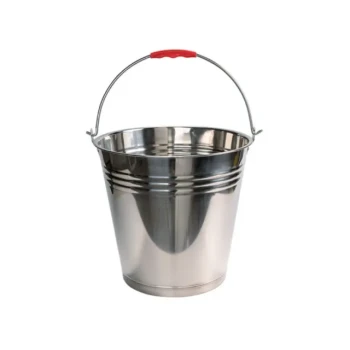
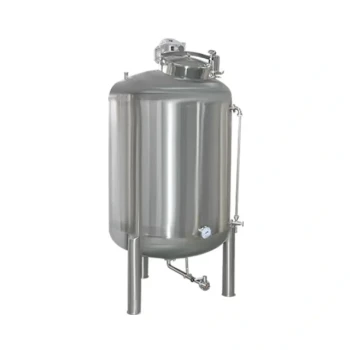
The primary technical role of a standardized container—whether a tin drum or a plastic bottle—is to act as a hermetic seal. Honey is hygroscopic, meaning it naturally absorbs moisture from the air. Standardized vessels prevent this absorption, which is the leading cause of fermentation and spoilage.
Securing Long-Distance Transport
Standardized containers are engineered to withstand the rigors of logistics. They prevent leakage and contamination during transit, ensuring the product arrives at its destination with the same quality it had at the apiary. This reliability is a prerequisite for moving goods from local farms to distant urban centers or export markets.
Enabling Commercial Growth
Unlocking Modern Retail Markets
Supermarkets and high-end retailers cannot sell inconsistent, loose products. Standardized packaging allows honey to meet strict specifications for shelf display and inventory management. This uniformity is the "entry ticket" for beekeepers looking to transition from subsistence farming to commercial enterprise.
Establishing Pricing Transparency
Using specific, recognized volume standards (such as liter bottles or local units like the Coro) simplifies commercial transactions. It establishes a clear baseline for pricing, eliminating ambiguity between buyers and sellers. This transparency builds trust and streamlines the negotiation process.
The Foundation of Branding
The container serves as the physical carrier for the brand. Professional labeling attached to these containers allows producers to highlight geographical origin, floral sources, and nutritional data. This differentiation enables producers to command a "brand premium," significantly increasing the economic return compared to selling unbranded bulk honey.
Understanding the Operational Trade-offs
Compliance and Labeling Requirements
Adopting standardized packaging forces a shift toward strict regulatory compliance. Labels must act as physical evidence of intellectual property and quality, containing specific data to prevent counterfeiting. While this protects the brand, it increases the administrative burden regarding legal market requirements.
Infrastructure Demands
Moving to standardized containers often necessitates an upgrade in processing equipment. To fully leverage these containers, producers often adopt automated filling and weighing machines. While this automation prevents secondary contamination and ensures precise measurement, it requires capital investment in infrastructure that traditional bulk handling does not.
Making the Right Choice for Your Goal
Selecting the right packaging strategy depends on your current stage of commercial evolution.
- If your primary focus is local subsistence trade: Prioritize basic standardized volumes to simplify pricing and improve transparency with your immediate buyers.
- If your primary focus is entering supermarkets or retail: Invest in high-quality, sealed containers with professional labeling to ensure shelf stability and meet legal traceability requirements.
- If your primary focus is brand differentiation: Use distinctive packaging materials (glass or specific plastics) to highlight origin and quality, allowing you to charge a premium over generic options.
Standardization is not just about the container; it is the mechanism that professionalizes your operation and secures the value of your harvest.
Summary Table:
| Feature | Preservation Benefit | Commercial Benefit |
|---|---|---|
| Hermetic Sealing | Prevents moisture absorption & fermentation | Extends shelf life for long-distance export |
| Uniform Sizing | Ensures consistent product density | Simplifies inventory & pricing transparency |
| Structural Durability | Protects against leakage & contamination | Reduces loss during shipping & logistics |
| Labeling Surface | Tracks batch data & traceability | Facilitates branding & consumer trust |
| Standardized Specs | Minimizes secondary contamination | Enables the use of automated filling machines |
Elevate Your Apiary with HONESTBEE Professional Solutions
Transitioning from raw production to a high-value commercial brand requires more than just honey—it requires the right infrastructure. HONESTBEE empowers commercial apiaries and distributors with a complete range of professional beekeeping tools and machinery.
Whether you need specialized hive-making equipment, high-precision honey-filling machines to match your standardized containers, or essential industry consumables, we provide the wholesale solutions you need to scale. From hardware to honey-themed cultural merchandise, our portfolio is designed to help you command a brand premium.
Ready to professionalize your honey production? Contact us today for a wholesale consultation!
References
- Cooper Schouten, Mawe Bacchi Gonapa. History of Beekeeping in Papua New Guinea. DOI: 10.1080/0005772x.2020.1760070
This article is also based on technical information from HonestBee Knowledge Base .
Related Products
- Stainless Steel Honey Storage Tank with Lid for Honey
- Modern Square Glass Honey Jar with Twist Off Lid
- Hexagonal Glass Honey Jars with Metal Lug Caps Elegant Versatile Packaging
- Hexagonal Glass Honey Jar with Wooden Lid Integrated Dipper Elegant Functional Storage
- Premium Stainless Steel Honey Tank Bucket Pail with Reinforced Handle and Polished Finish
People Also Ask
- What economic role do honey storage tanks play? Boost Your Revenue Through Strategic Inventory Management
- What roles do industrial honey storage tanks and filtration meshes play in processing? Ensure Purity & Consistency
- What is the purpose of a honey storage tank? Streamline Your Honey Processing for Quality & Efficiency
- What are honey storage tanks used for? Essential Features for Quality Preservation and Profit
- How do large honey storage tanks and gravity fall filling systems improve honey packaging efficiency and safety?