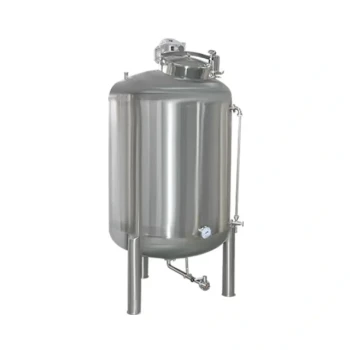
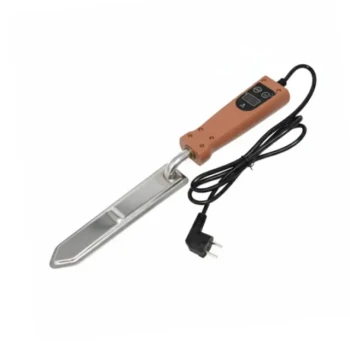
Temperature-controlled heating systems serve as the critical control point for preserving honey chemistry during liquefaction. They function by delivering stable, precise thermal energy to the honey, which prevents the dangerous spikes in temperature that cause degradation. By eliminating localized overheating, these systems stop the decomposition of fructose into Hydroxymethylfurfural (HMF), ensuring the product remains safe and compliant.
The application of uncontrolled heat converts the natural fructose in honey into HMF, a marker of poor quality and reduced shelf life. Precise temperature control is essential to maintain HMF levels below regulatory limits—such as 40 mg/100g for bottled honey—while restoring the honey to a pourable state.
The Mechanism of HMF Formation
Preventing Fructose Decomposition
HMF is not naturally present in fresh honey in significant amounts; it is a byproduct of chemical changes triggered by heat.
When honey is subjected to excessive thermal stress, the fructose begins to decompose. This chemical breakdown directly increases the concentration of HMF, effectively permanently altering the honey's composition.
Eliminating Localized Overheating
A common issue in honey processing is not just the average temperature, but "hot spots" within the container.
Temperature-controlled systems provide stable and precise thermal energy throughout the batch. This uniformity prevents localized overheating, ensuring that no single portion of the honey is burnt or degraded while the rest is liquefying.
Compliance and Quality Preservation
Adhering to Regulatory Limits
Honey production is governed by strict standards regarding HMF concentration to ensure consumer safety and product quality.
For bulk honey, precise heating ensures levels remain below 20 mg/100g. For bottled honey, the standard is typically set at a maximum of 40 mg/100g.
Protecting Bioactive Components
Beyond HMF management, temperature control is vital for preserving the "living" aspects of honey.
Uncontrolled heat destroys heat-sensitive enzymes and nutritional components. By regulating the temperature, producers can filter and bottle the product while maintaining its original biological activity and flavor profile.
Common Pitfalls to Avoid
The Dangers of Direct Boiling
It is imperative to understand that direct boiling is strictly prohibited in honey processing.
Direct application of high heat causes rapid, irreversible damage to the nutritional profile and a massive spike in HMF. Reliable equipment heats the honey only to its melting point, rather than its boiling point.
The Viscosity vs. Quality Trade-off
Liquefaction is necessary to make crystallized honey transparent and pourable, but every degree of heat adds risk.
There is a constant trade-off between heating the honey enough to process it efficiently and heating it too much, which ruins it. Advanced systems bridge this gap by maintaining the safe limits required to liquefy the honey without crossing the threshold into chemical decomposition.
Making the Right Choice for Your Goal
To ensure your honey processing yields a high-quality product, align your heating strategy with your specific production targets:
- If your primary focus is bulk honey production: Regulate your equipment to ensure HMF levels stay strictly below 20 mg/100g to meet industrial trade standards.
- If your primary focus is bottled retail sales: Calibrate your system to liquefy crystals while guaranteeing the final HMF content does not exceed 40 mg/100g.
- If your primary focus is premium nutritional value: Use the lowest effective temperature to restore liquidity, prioritizing the retention of heat-sensitive enzymes over processing speed.
Precise thermal regulation is not just a processing step; it is the safeguard that transforms raw, crystallized honey into a marketable product without compromising its natural value.
Summary Table:
| Feature | Impact on Honey Quality | Regulatory/Safety Goal |
|---|---|---|
| Precise Thermal Energy | Prevents fructose decomposition into HMF | Maintain HMF < 40mg/100g (Retail) |
| Uniform Heating | Eliminates 'hot spots' and localized burning | Maintain HMF < 20mg/100g (Bulk) |
| Stable Regulation | Preserves heat-sensitive bioactive enzymes | Protects nutritional profile & flavor |
| Melting Point Focus | Avoids irreversible damage from direct boiling | Ensures product safety & shelf life |
Elevate Your Honey Processing with HONESTBEE Professional Solutions
Don't let uncontrolled heat compromise your harvest. HONESTBEE provides commercial apiaries and distributors with industry-leading honey-filling machines, specialized liquefaction hardware, and professional-grade beekeeping tools designed to maintain the highest quality standards.
Whether you are managing a large-scale commercial apiary or supplying the industry as a distributor, our comprehensive wholesale offering ensures your products meet strict HMF regulations while preserving natural enzymes. Contact us today to optimize your production line!
References
- Tatiana Mardari. QUALITY PARAMETERS OF BEE HONEY PRODUCED IN THE REPUBLIC OF MOLDOVA AND THE EUROPEAN UNION. DOI: 10.55505/sa.2023.2.15
This article is also based on technical information from HonestBee Knowledge Base .
Related Products
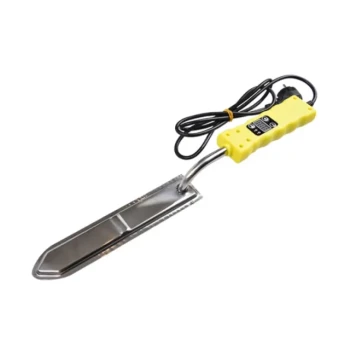
- Professional Electric Honey Uncapping Knife with Heated Digital Temperature Control for Beekeeping
- Professional Thermostatic Conical Honey Melter
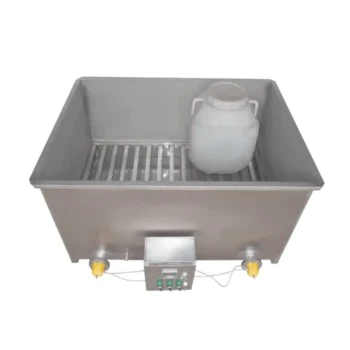
- Stainless Steel Heated Honey Tank Warming Heating Tank
- Electric Hot Honey Uncapping Knife with Thermostat
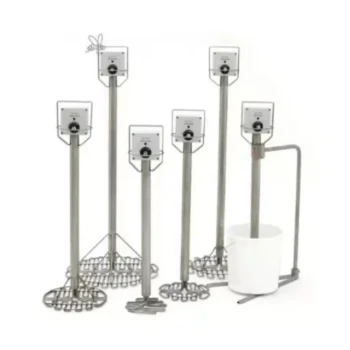
- Honey Tank Heater Drum Heating Blanket for Honey Barrel
People Also Ask
- Why are electric honey uncapping knives essential? Boost Efficiency & Preserve Comb for Professional Honey Extraction
- What is an electric uncapping knife and how is it used? Master Faster Honey Extraction with Heat
- What are the advantages and disadvantages of using an electric knife for uncapping honey frames? Boost Extraction Speed
- What are the drawbacks of using an electric knife for uncapping honey frames? Cost and Power Constraints Explained
- How should an electric uncapping knife be utilized? Master Efficient Honey Extraction with Heated Precision