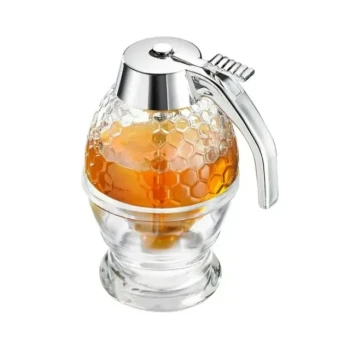
A graduated dispenser reservoir serves as the critical mechanism for the precise quantification and management of dosage during mite treatment. It functions by allowing the beekeeper to measure the residual volume of organic acid remaining after the treatment cycle, thereby providing the data needed to calculate the exact amount of medication actually consumed by the colony.
Core Takeaway Successful pest management relies on verifying that the intended dose was actually delivered. A graduated reservoir bridges the gap between application and consumption, enabling you to evaluate evaporator performance against climatic variables and optimize the cost-effectiveness of your treatment strategy.
The Mechanics of Precise Dosage
Moving Beyond Estimates
In standard treatments, it is difficult to know if a colony received the full dose of high-volatility organic acid. Evaporation rates can vary wildly.
The graduated reservoir solves this by providing a visual metric. By subtracting the residual volume found in the dispenser from the starting volume, you obtain a definitive measurement of consumption.
Ensuring Medical Efficacy
To treat mites effectively without harming the bees, the concentration of acid vapor must be maintained within a specific window.
If the reservoir shows significant leftover liquid, the colony may have been under-dosed. Conversely, rapid depletion might indicate an environment that promoted excessive vaporization.
Evaluating Performance Stability
The Impact of Climatic Conditions
High-volatility organic acids are sensitive to temperature and humidity. The primary reference highlights that these reservoirs are critical for evaluating performance stability under different climatic conditions.
By tracking reservoir levels against the weather, you can learn how your specific evaporator performs in different seasons. This helps you adjust your timing or dosage for future treatments.
Troubleshooting Equipment
The reservoir acts as a diagnostic tool for the hardware itself.
If the climatic conditions are favorable but the acid level remains unchanged, the reservoir alerts you to a potential malfunction in the evaporator.
Optimizing Treatment Efficiency
Improving Cost-Effectiveness
Over-treating is wasteful, while under-treating leads to colony loss and repeated interventions.
Using the data provided by the graduated markings allows for optimizing the cost-effectiveness of the treatment. You ensure that you are using only the necessary amount of organic acid to achieve the desired result.
Data-Driven Beekeeping
This tool shifts pest management from a passive activity to an active, data-driven process.
Beekeepers can record exact consumption rates. This creates a historical record that refines long-term management strategies.
Understanding the Operational Trade-offs
The Requirement of Inspection
Utilizing a graduated reservoir requires a follow-up visit. To get the value from the device, you must physically inspect the hive at the end of the treatment period to read the measurements.
Interpretation vs. Outcome
It is important to remember that the reservoir measures input (acid consumed), not outcome (mites killed).
While it ensures the machinery is working and the acid is evaporating, it does not replace the need for mite drops or washes to verify the biological success of the treatment.
Making the Right Choice for Your Goal
To maximize the utility of a graduated dispenser reservoir, align its use with your specific management objectives:
- If your primary focus is Efficacy Assurance: Use the reservoir to verify that the full dosage was evaporated; if liquid remains, consider the treatment incomplete.
- If your primary focus is Process Optimization: Record the residual volumes alongside temperature logs to build a predictive model for how your equipment behaves in your local climate.
Precision in measurement is the only path to consistency in treatment results.
Summary Table:
| Feature | Function & Purpose | Benefit to Beekeeper |
|---|---|---|
| Precise Quantification | Measures residual volume after treatment | Calculates exact acid consumption |
| Climate Monitoring | Evaluates performance under varying weather | Allows for seasonal dosage adjustments |
| Diagnostic Tool | Monitors evaporation hardware status | Detects equipment malfunctions early |
| Data-Driven Metrics | Tracks consumption vs. dosage targets | Optimizes treatment cost-effectiveness |
Maximize Your Colony Health with HONESTBEE Precision Equipment
Consistency in mite treatment is the backbone of a productive apiary. At HONESTBEE, we specialize in empowering commercial apiaries and distributors with the high-performance tools necessary for modern beekeeping. From precision dispenser reservoirs and specialized hive-making machinery to advanced honey-filling systems, our comprehensive wholesale catalog covers every facet of your operation.
Partner with us to access professional-grade beekeeping hardware and essential industry consumables designed for durability and efficiency. Let HONESTBEE help you refine your treatment strategies and scale your business with confidence.
Contact HONESTBEE Today to Explore Wholesale Solutions
References
- Marco Pietropaoli, Giovanni Formato. Acaricide efficacy and honey bee toxicity of three new formic acid-based products to control <i>Varroa destructor</i>. DOI: 10.1080/00218839.2019.1656788
This article is also based on technical information from HonestBee Knowledge Base .
Related Products
People Also Ask
- What is the physical separation mechanism of a honey decanter? Mastering Gravity Sedimentation for Pure Honey
- What role do laboratory-grade disposable sampling spoons play in honey taste evaluation? Enhance Sensory Precision
- What is a honeycomb dipper? Elevate Your Culinary Presentation with the Ultimate Texture-Enhancing Tool
- What is a honey dipper? Master the Art of the Perfect Drizzle with This Essential Tool
- How do you clean and store a honey dipper? Simple Steps for Long-Lasting Performance