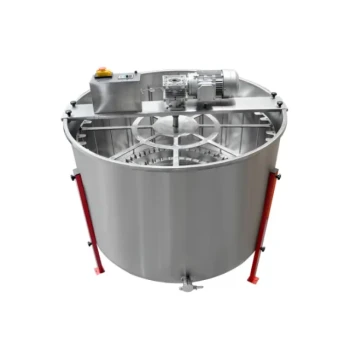
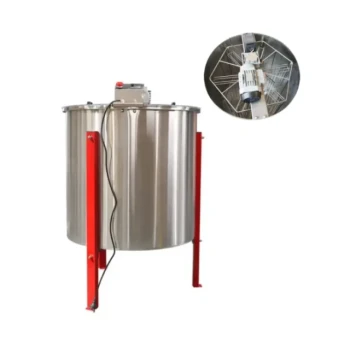
Automated comb honey production equipment acts as a structural guide within the hive, compelling bees to build comb and store honey directly inside specific, standardized packaging frames. By integrating the packaging phase into the bees' natural biological workflow, this technology eliminates the need for manual harvesting, uncapping, and centrifugal extraction, thereby streamlining the conversion of nectar-rich sources into market-ready products.
The Core Takeaway This equipment maximizes plantation output not by artificially increasing the volume of honey produced, but by radically reducing the labor cost per unit and converting raw nectar directly into high-value comb honey. It transforms the apiary from a raw material extraction site into a direct-to-retail production line.
Streamlining Production in High-Yield Environments
Direct-to-Package Architecture
The fundamental innovation of this equipment is the elimination of post-harvest processing. The frames are designed so that bees construct the honeycomb directly inside the final consumer packaging.
Once the bees cap the honey, the product is essentially complete. This "hive-to-shelf" capability removes the bottlenecks associated with traditional extraction houses.
Capitalizing on Nectar Flows
To maximize output, this equipment is best utilized in nectar-rich plantations, such as rapeseed or raspberry fields.
In these environments, nectar flow is intense but often short-lived. Automated frames allow beekeepers to capture this volume rapidly without the delays caused by removing frames for spinning and returning them to the hive.
Economic and Operational Advantages
Reduction of Manual Labor
Traditional honey harvesting requires significant human effort to remove frames, transport them, uncap the cells, and extract the liquid.
Automated comb production removes these steps entirely. The labor focus shifts from processing raw material to simply swapping full frames for empty ones, significantly lowering operational overhead.
Market Value Optimization
While liquid honey is often sold as a commodity, comb honey is regarded as a premium, high-value product.
By utilizing this equipment, a plantation maximizes its "economic potential" by selling the structure of the honey (the wax comb) alongside the nectar, rather than separating them.
Understanding the Trade-offs
Equipment Specificity vs. Liquid Processing
It is crucial to distinguish this equipment from automated honey filling machines.
Filling machines, often used in industrial pharmaceutical or consumer markets, utilize precise metering and closed-loop systems to bottle liquid honey. Comb honey equipment, conversely, relies on the bees to do the "filling." You cannot easily switch between these two end-products without changing your hive management strategy.
Dependence on Bee Acceptance
Unlike a mechanical filling machine, automated comb frames rely on biological compliance.
If the nectar flow is weak, or if the bees reject the plastic or standardized guides, they may build irregular comb or ignore the frames entirely. Success requires strong colony health and abundant floral resources.
Making the Right Choice for Your Goal
To maximize the potential of your plantation, align your equipment choice with your market strategy:
- If your primary focus is Premium Retail: Adopt automated comb honey frames to minimize labor and produce a high-value, differentiated product directly from the hive.
- If your primary focus is Mass Volume: Utilize automated liquid filling machines to process extracted honey with high speed, consistency, and hygiene for the broad consumer market.
Ultimately, automated comb equipment maximizes a plantation's potential by converting abundant nectar into a finished product inside the hive, bypassing the cost and complexity of extraction.
Summary Table:
| Feature | Traditional Honey Extraction | Automated Comb Honey Production |
|---|---|---|
| Processing Steps | Harvesting, Uncapping, Centrifuging, Bottling | Direct-in-frame construction by bees |
| Labor Intensity | High (Requires significant manual processing) | Low (Simple frame swapping) |
| Product Value | Commodity (Liquid honey) | Premium (Comb honey) |
| Ideal Environment | General apiary use | Nectar-rich plantations (Rapeseed, Raspberry) |
| Primary Benefit | Large volume liquid output | Maximum economic value per unit |
Elevate Your Apiary's Efficiency with HONESTBEE
Are you ready to transform your plantation into a high-margin production line? HONESTBEE specializes in empowering commercial apiaries and distributors with professional-grade beekeeping tools and advanced machinery.
Whether you need automated honey-filling machines for mass liquid production or specialized hardware for premium comb honey, we provide the comprehensive wholesale solutions your business deserves. From hive-making equipment to honey-themed cultural merchandise, our portfolio covers every facet of the modern honey industry.
Maximize your honey output and market value today. Contact our expert team at HONESTBEE to discuss how our equipment can streamline your operations and grow your retail potential.
References
- Janusz Majewski. Pszczelarstwo i jego rola dla rolnictwa polskiego. DOI: 10.22630/rnr.2010.97.4.70
This article is also based on technical information from HonestBee Knowledge Base .
Related Products
- Electric Honey Press Machine for Squeezing Honey Comb Press Equipment
- Fully Automatic Honey Filling Packaging Machine for Processing Line
- 32 Frame Commercial Electric Honey Extractor for Beekeeping and Honey Production
- Stainless Steel Jack Type Honey Comb Press Machine Wax and Honey Separator
- Manual Honey Filling Machine Bottling Machine for Honey
People Also Ask
- What is the pressing honey method? A Guide to Simple, Pollen-Rich Honey Extraction
- What are the steps for extracting honey using a press? Master Traditional Extraction for Pure, Flavorful Honey
- For which type of beekeeping operations is this honey press most suitable? Efficient Solutions for High-Volume Apiaries
- What are some general features of a honey press? Maximize Your Yield with Durable Extraction Tools
- What is the purpose of the raised frame on the honey press? Simplify Logistics and Improve Extraction Workflow