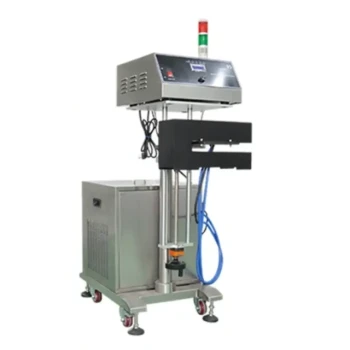
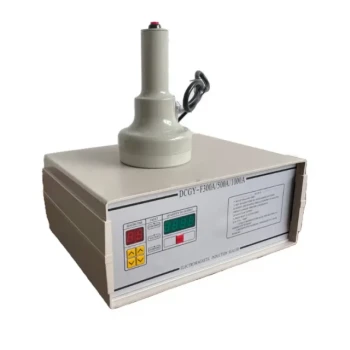
Industrial deep-freezing equipment acts as a critical stasis mechanism for organic matter. It creates a stable, ultra-low temperature environment that immediately halts enzymatic activity and microbial growth, effectively locking in the nutritional profile of fresh pollen for future use.
By preventing oxidative degradation and protein breakdown, deep-freezing ensures that stored pollen retains the precise biological value and palatability required to sustain colonies during non-foraging seasons.
The Mechanics of Preservation
Inhibiting Enzymatic Activity
Fresh pollen contains active enzymes that, if left unchecked, will naturally degrade the pollen's internal structure.
Deep-freezing drops the temperature significantly—often to -20°C or lower—which suppresses these enzymes. This suspension of activity prevents the pollen from consuming its own nutrients before it can be utilized as feed.
Preventing Microbial Growth
Raw pollen is a nutrient-dense substrate that is highly susceptible to bacteria and mold.
Industrial freezing equipment lowers the temperature below the threshold required for microbial reproduction. This ensures the feed remains sterile and safe for consumption, preventing colony disease that could arise from spoiled supplements.
Nutritional Integrity and Palatability
Protection Against Oxidative Degradation
Exposure to air and ambient temperatures causes rapid oxidation, particularly of proteins and lipids.
Freezing equipment maintains a sealed, stable environment that prevents this chemical breakdown. This is critical because even dehydrated pollen can suffer from slow oxidation of lipid components if stored at room temperature.
Maintaining Palatability
For supplemental feed to be effective, it must be attractive to the colony.
By preserving the original biological characteristics, deep-freezing ensures the pollen maintains its natural taste and texture. This guarantees high consumption rates when the feed is eventually introduced to the hive.
Understanding the Risks of Alternative Methods
While deep-freezing is the gold standard, it is important to understand why other methods often fail in comparison.
The Limits of Dehydration
Many producers rely solely on dehydration for preservation. However, references indicate that bioactive substances and lipids can still spoil at room temperature, even after the water content is removed.
The Necessity of Temperature Stability
The efficacy of deep-freezing relies entirely on consistency. Fluctuations in temperature can reactivate enzymes or allow partial thawing, which immediately restarts the degradation process. Industrial equipment is specifically designed to prevent these fluctuations, unlike standard consumer-grade freezers.
Making the Right Choice for Your Goal
To maximize the value of your pollen stock, apply these principles based on your specific objectives:
- If your primary focus is Colony Health: Prioritize deep-freezing to maintain the highest levels of digestible protein and lipids, which are essential for brood rearing in non-foraging seasons.
- If your primary focus is Long-Term Storage: Use industrial equipment to keep pollen at -20°C in a sealed state to prevent the slow chemical reaction rates that occur in room-temperature storage.
- If your primary focus is Analytical Consistency: Rely on deep-freezing to preserve the exact biological profile of the sample, ensuring that nutrient testing reflects the pollen's original state.
Deep-freezing is not merely a storage method; it is a nutritional investment that bridges the gap between harvest and consumption without compromising quality.
Summary Table:
| Preservation Factor | Impact of Deep-Freezing (-20°C) | Risk of Room Temp / Dehydration |
|---|---|---|
| Enzymatic Activity | Completely halted; prevents self-digestion | Leads to internal structural degradation |
| Microbial Growth | Inhibited; prevents mold and bacteria | High risk of spoilage and colony disease |
| Protein/Lipid Quality | Locked in; prevents oxidative breakdown | Rapid oxidation and loss of bioactive value |
| Palatability | Maintains original taste and texture | Decreased attractiveness to the colony |
| Storage Stability | High; industrial equipment prevents fluctuations | Inconsistent; prone to partial thawing |
Maximize Your Colony Productivity with HONESTBEE
At HONESTBEE, we understand that high-quality nutrition is the backbone of any successful commercial apiary. As a premier provider of professional beekeeping machinery and equipment, we offer everything from advanced hive-making tools to honey-filling systems designed for efficiency and scale.
Whether you are a large-scale distributor or a commercial beekeeper, our comprehensive wholesale portfolio of beekeeping tools and essential consumables ensures your operations remain profitable and your bees remain healthy.
Ready to upgrade your apiary infrastructure? Contact us today to learn how our specialized equipment and industry expertise can drive your business forward.
References
- Hakan ADANACIOĞLU, Erkan Topal. Economic Analysis of Honey Bee Colonies Fed with Different Pollen Diets before Wintering. DOI: 10.18615/anadolu.1173055
This article is also based on technical information from HonestBee Knowledge Base .
Related Products
- Professional Plastic Honey Dipper for Easy Honey Drizzling
- Professional Water Cooled Induction Sealing Machine for Bottles and Containers
- Heavy Duty Stainless Steel Honey Processing Machine Decrystallizing Tank
- 3.5L Plastic Beehive Frame Feeder Deep Frame Water Feeder for In Hive Use
- Professional Thermostatic Conical Honey Melter
People Also Ask
- What is a honey dipper? Master the Art of the Perfect Drizzle with This Essential Tool
- What is the proper method for cleaning a honey dipper? Maintain Pure Flavor with These Easy Pro Tips
- What is a honey dipper and what is it used for? A Guide to Mess-Free Drizzling
- What is a honey taking spoon called? Discover the Tool for a Perfect, Mess-Free Drizzle
- How do you clean and store a honey dipper? Simple Steps for Long-Lasting Performance